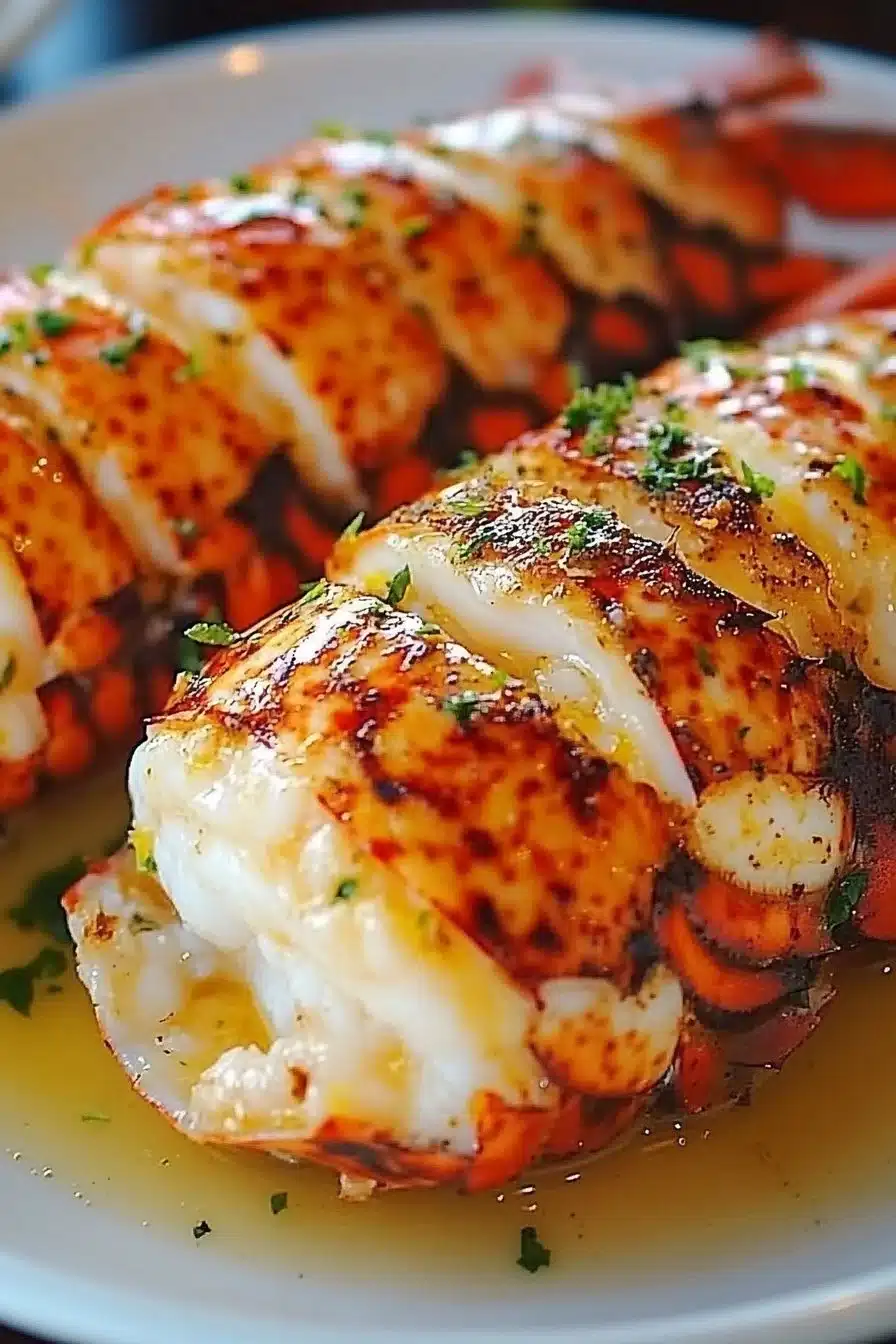
I still remember the first time I pulled a tray of baked lobster tails from the oven and watched my kids press their faces to the counter, eyes wide at the steam that smelled like butter and the sea. The kitchen felt warm in a way that goes beyond heat, the kind of warmth that comes from a table full of voices and the small, bright hush when everyone takes that first bite. That night turned a simple dish into a memory we return to, and it is that feeling I try to share every time I make Baked Lobster Tails for my family.
Why This Baked Lobster Tails Means So Much
There is a kind of magic in recipes that carry a story. For me, Baked Lobster Tails is not just a fancy meal for special days. It is a bridge between a holiday and the ordinary Wednesday night, a way to slow down and celebrate simple things. The first time I made this for my husband, it was a small, nervous attempt to make dinner feel like a gift. He laughed, we clinked forks, and the recipe quietly found its place on our short list of family favorites.
Food connects us to small rituals. The way I baste the lobster with melted butter, how I listen for the faint change in sound as the oven hums, the way the house fills with a garlic-butter scent that makes everyone drift toward the kitchen. Those are the moments that make cooking feel like more than a task. Baked Lobster Tails stands out because it is both gentle and impressive. It asks only for a little attention and gives back a bright, rich flavor that feels like a celebration.
This dish also taught me that good cooking does not need to be perfect. Sometimes the lobster shell browns a touch more on one side, or the butter pools a little unevenly on the tray. We still sit down, still pass small bowls and lemon wedges, still tell stories between bites. For our family, the heart of Baked Lobster Tails is the way it draws us close, hands brushing over a shared plate and laughter spilling around simple, honest food.
The Story Behind Our Favorite Baked Lobster Tails
I learned to cook in a kitchen that smelled of rosemary and coffee, where my mother chopped vegetables as if she were composing a song. When I first made baked lobster tails, I felt like I was borrowing a tune from those afternoons. The recipe came to me as a way to make a dinner that felt special without stealing a whole day. It moved quickly from "a treat" to "our thing."
There is a small ritual in how we serve it at home. We set the table with nothing fancy, just cloth napkins and small plates for shells. Sometimes we turn on a playlist of old songs. Sometimes the kids draw little signs that say "You are loved" and tape them to the wall. Those small extras make a weeknight dinner feel like a small holiday. The recipe is a reminder that comfort and ceremony can live together on one plate.
Over time I have nudged the recipe to match our family’s tastes. A little more garlic, a whisper of paprika for color, more butter for the kids who love richness. The lobster never felt overly complicated. It remained approachable for me and for others I shared it with. If you are new to shellfish or baking fish, this recipe is a gentle place to start. It teaches you how to read the oven and the ingredient list without being intimidating.
Bringing Baked Lobster Tails Together
“Every time I stir this pot, it smells just like Sunday at home.”
The rhythm of making baked lobster tails is small and steady. You will hear the soft scrape of knife on shell, the whisper of melted butter poured into a bowl, and the bright tap of garlic as it meets the spoon. The colors move from pale shell to glossy meat beneath the butter. The sound of butter sizzling as it meets the hot baking sheet tells you the kitchen is settling into that warm, lived-in place.
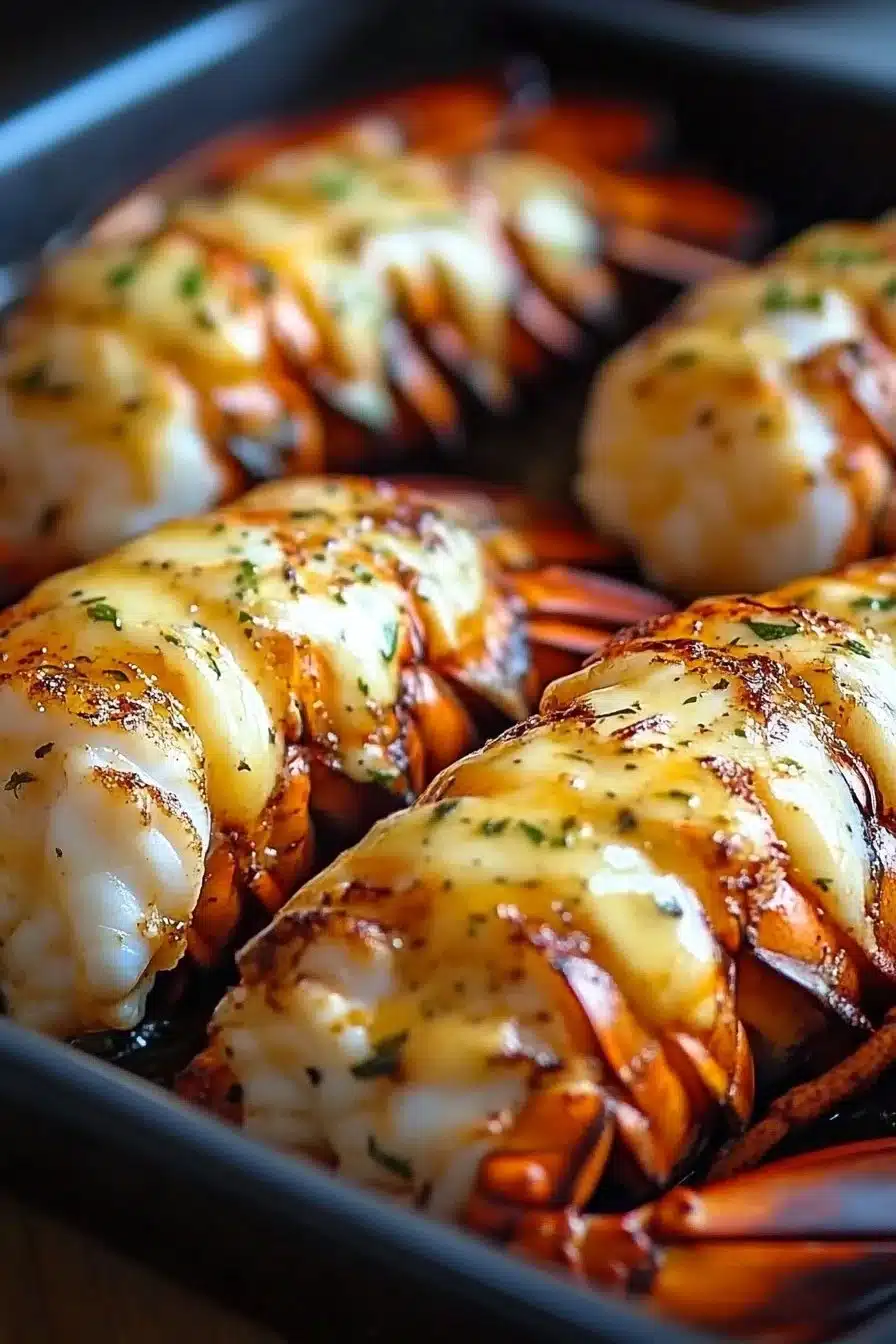
Look for the bright red shell that promises sweet meat inside. When you butterfly the tail, you will see the pale, firm flesh. Brushing on the butter is like putting on a small coat of comfort. As it bakes, the meat becomes opaque and firm and the top takes a little golden hint. Then the kitchen fills with a scent that belongs to both the sea and home—salty, buttery, and faintly sweet.
Cooking this dish gives you space to breathe. You can talk to your family while the lobster bakes, prepare a simple side, or pour a small glass of wine. The process is forgiving. If your oven runs hot, the lobster will still be delicious, and if your butter pools a little more on one tail than the other, that tail simply tastes richer. These small variations are part of what makes the dish feel alive and real.
Ingredients You’ll Need
2 lobster tails
4 tablespoons melted butter
2 cloves garlic, minced
1 teaspoon paprika
Salt and pepper to taste
Fresh parsley for garnish
A little side note: fresh butter gives this its richness, so if you can, pick one you love.
A small extra tip: if you like a cozy aroma, try adding a whisper of lemon zest to the butter.
Family note: buy tails that feel heavy for their size; that often means more meat inside.
Step-by-Step Directions
Preheat the oven to 350°F (175°C). Cut the lobster tails in half lengthwise and place them on a baking sheet.
Make a small cut down the top of each shell and slide your fingers to open it. Feel the slight resistance as the meat frees from the shell, then lay it neatly on the shell for even baking. Keep a watchful eye on space so the tails have room and do not steam each other.In a bowl, mix the melted butter, garlic, paprika, salt, and pepper. Brush the mixture over the lobster meat.
Whisk gently until the mixture looks glossy and the garlic blurs into the butter. Breathe in the bright, garlicky scent that lifts from the bowl, and spread the butter in slow strokes so each piece feels coated.Bake for about 15-20 minutes until the lobster is cooked through and the meat is opaque. Garnish with fresh parsley before serving.
Watch the edges of the meat carefully as they turn firm and opaque, and wait for a whisper of golden color at the tips. When you pull the tray out, let the kitchen fill with steam for a moment, then sprinkle parsley as a final fresh note.
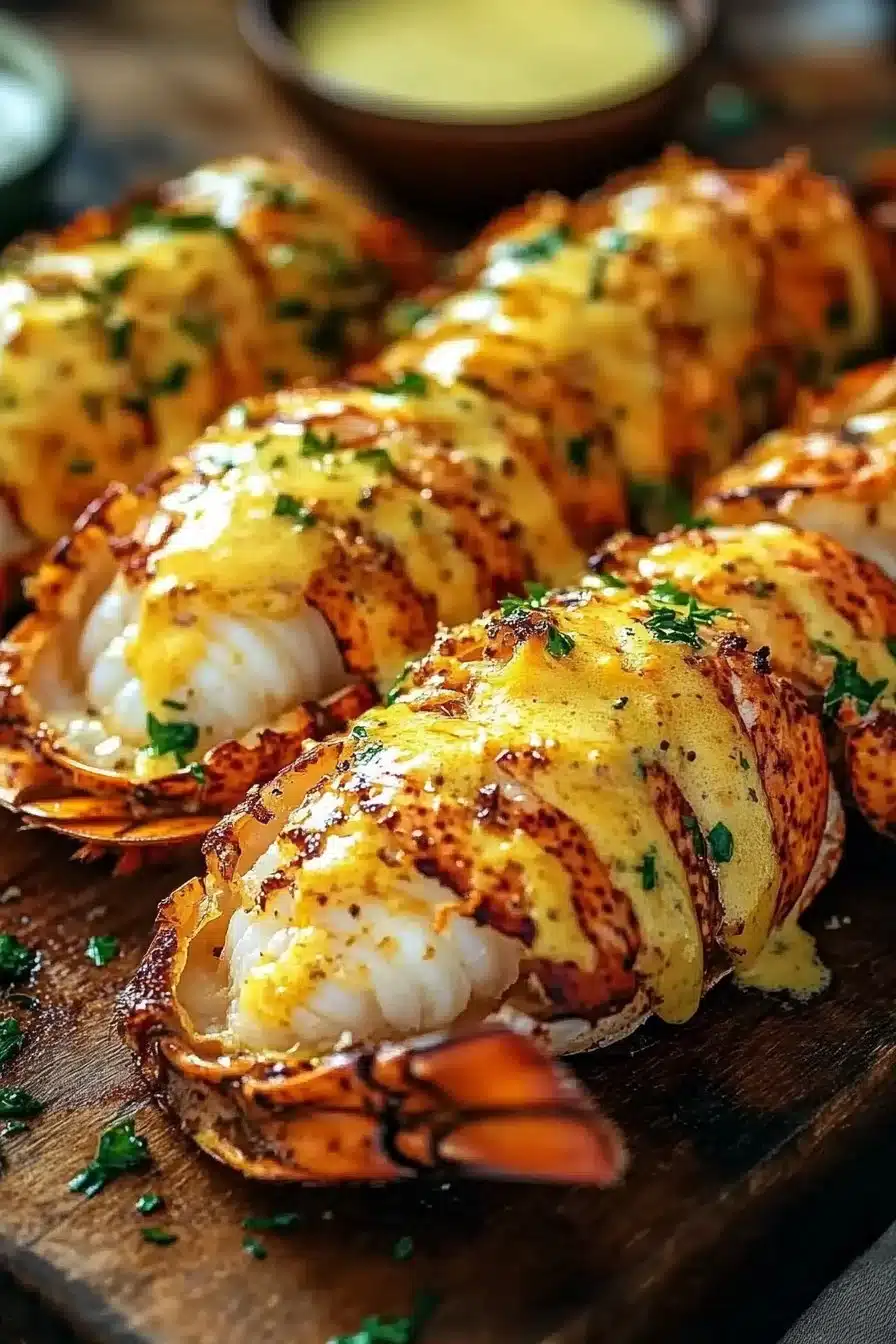
How We Enjoy Baked Lobster Tails at Home
We keep the table relaxed when we serve baked lobster tails. The kids pass lemon wedges and small bowls of melted butter for dipping. We use simple plates and sometimes throw a small salad on the side. The point is the sharing, not perfection. My husband likes to scrape the buttery bits on the tray with a piece of rustic bread, and my daughter always asks for an extra sprig of parsley because she likes how it looks.
One of my favorite ways to serve it is with a lemon-herb rice or a bowl of steamed green beans. The bright green of the beans makes the warm color of the lobster pop. Once, on a cold night, we ate it with a creamy potato mash and a little snap of roasted asparagus. The textures played off each other—the firm, sweet lobster against the lush, buttery sides. Those contrasts make the meal feel complete.
If you want to set a little table without fuss, put out small bowls so everyone can share sauces. A squeeze of fresh lemon, a little more melted butter, maybe a spoonful of herby vinaigrette can add variety. The children like dipping, my husband likes to pile flavors on, and I like to watch it all unfold. That is the home part of the meal: small habits, shared freely.
Serving Tips and Small Traditions
Create a small ritual to make the dinner feel special. We light a candle that is not too strong and play a few songs quietly. We ask each person to say one small thing they liked about their day. These tiny acts turn ordinary food into a family memory. They are the real ingredients that make a recipe worth repeating.
For plating, place the lobster in the center of the plate and add bright accents. A sprinkle of chopped parsley brightens the color. A lemon wedge on the side invites each person to add a touch of acidity. If you are serving guests, arrange the tails differently for variety—some on top of rice, others next to a pile of roasted vegetables. The change in presentation keeps the same recipe feeling fresh.
Serve warm bread on the side if you like. It helps pick up any leftover buttery goodness from the plate. For a child-friendly version, cut the meat into small bites before serving so little hands can enjoy without fuss. Those small choices help the dish feel like it belongs to everyday life, not just special occasions.
Storing Baked Lobster Tails for Tomorrow
If you have leftovers, store them gently. Wrap each tail in a piece of parchment or place them in an airtight container. Refrigerate within two hours of serving to keep the texture and flavor fresh. The meat will keep for up to two days and will still taste lovely if reheated with care.
To reheat, warm them in a low oven around 275°F until just heated through. Cover the tails with foil to trap moisture and brush with a little extra melted butter before warming. This helps the meat stay tender and keeps the buttery flavor bright. Avoid reheating on high heat or in the microwave, which can make the meat rubbery.
Leftovers work beautifully in other dishes. Chop the meat and fold it into a warm pasta with a light cream sauce. Mix it into a salad with crisp greens and a lemony dressing for a bright lunch. Or make small lobster rolls with a little mayo, celery, and lemon zest—these turn a few leftover tails into a new, loved meal.
How to Buy and Pick Fresh Lobster Tails
Buying good lobster tails makes a difference. If you can visit a trusted fish counter, look for tails that feel heavy and firm. That weight often means more meat. The shell should be bright and free of odd smells. Freshness matters most when flavor and texture are the stars.
Frozen tails are a fine option if fresh is hard to find. Thaw them slowly in the refrigerator overnight for the best texture. Rinse them gently under cold water to remove any ice glaze. Thawing gently keeps the meat supple and prevents it from drying out when baked.
Ask your fishmonger for advice if you can. A good vendor will tell you when the tails were caught or processed. They might recommend sizes that suit your family. Buying from someone who knows their product feels like a small luxury that helps every meal start on the right note.
Kitchen Tools and Small Comforts
You do not need a kitchen full of tools to make this recipe shine. A sharp knife, a baking sheet, a small brush, and a bowl for the butter do the job. A little baking rack helps air circulate, but it is not required. Trust simple tools and good technique more than fancy gadgets.
A pair of kitchen shears can make butterfly cuts easier, and tongs help you move the tails without losing any butter. A small spoon or pastry brush makes basting gentle and even. If you love music, a playlist that feels like home makes the work lighter. These small comforts make cooking feel like an act of care.
Keep a small towel handy for sticky hands and splatters. Cooking with family often means little messes. A towel and a bowl for scraps make cleanup quick and keep the mood light. The goal is to enjoy the process, not to polish every surface before the first bite.
Small Variations That Make a Big Difference
If you like a bit more flavor, add a pinch of cayenne to the butter for a warm lift. For a smoky note, try a small sprinkle of smoked paprika instead of plain. For a fresher feel, stir in chopped chives or tarragon into the butter just before brushing. These small changes let you make the dish your own without changing the heart of the recipe.
For richer flavor, brown the butter very slightly before mixing with garlic. Watch carefully as the foam subsides and the butter takes on a light nutty color. That shift in aroma adds a deep, toasty note that pairs beautifully with lobster. Keep the garlic mild and sweet, not burned, and you will have a lovely balance.
If you want a lighter version, reduce the butter slightly and serve with a lemon-herb salsa on the side. That adds brightness while letting the lobster shine. Small swaps like adding a side of steamed vegetables or a citrus salad keep the meal balanced and homey.
Troubleshooting Common Questions
If the lobster turns out rubbery, it likely overcooked. Next time, check the oven a few minutes earlier and look for opaque flesh with just a hint of firmness. If your butter pools unevenly, tilt the baking sheet gently and spoon the butter where needed so each tail gets a little richness.
If the garlic tastes too sharp, try mincing it finer or sautéing it slightly in the butter before brushing. That mellows the raw edge and brings out a sweet garlic scent. If the shells brown too quickly, move the tray away from the top heating element or lower the oven temperature slightly.
If you worry about doneness, use a meat thermometer. The internal temperature should reach about 140°F. This helps when you make the dish for guests and want steady results. Even without a thermometer, you can judge by the change in color and texture. The meat will go from translucent to opaque and feel firm to the touch.
For New Cooks
If you are just starting out, take your time. Use a small kitchen towel to steady the tail when you cut the shell. Practice the butter mixture in a small bowl so you feel comfortable basting. Cooking is more forgiving than it seems. Mistakes teach you what your oven does and how you like flavors.
For Experienced Home Cooks
If you cook often, consider serving with a simple compound butter. Mix softened butter with lemon zest, parsley, and a pinch of salt. Chill it, then slice a piece onto each tail after baking so it melts slowly. This adds a homemade flourish without extra work at the stove.
Bringing This Dish to Gatherings
Baked Lobster Tails travel well to small gatherings. Bake them at home and keep them warm for a short time in a low oven covered with foil. Serve on a platter with lemon wedges and garnish at the last minute. People will gravitate toward the tray because of the smell, and the meal will feel like a quiet celebration.
For larger groups, consider serving smaller tails or cutting the meat into bite-size pieces. Arrange them on toasted baguette rounds with a smear of garlic butter for easy passing. Little bites make it easy to mingle and keep conversation flowing. That way, the food invites connection without slowing down the evening.
If you want to make it the main event, pair the lobster with simple sides that can be prepped ahead. A cold slaw, a chilled potato salad, or a warm grain dish works well. These let you spend time with guests instead of hovering over the oven.
The Heart of Home Cooking
What I love most about Baked Lobster Tails is how it brings a quiet show of care to the table. It is not about perfection. It is about a warm oven, a bowl of melted butter, hands that work together, and the small gestures that make people feel seen. That is what cooking at home should be: a space where taste and memory meet.
When my children are grown, I know they will carry small parts of these dinners with them. A scent can unlock a memory decades later. A flavor can turn a day into something memorable. Those are the things recipes give us, and that is why I return to this dish again and again. It is easy enough for weeknights and special enough for company.
Final Thoughts Before You Start
If you are nervous, remember that this recipe is forgiving. Choose good butter, handle the tails gently, and watch the oven with kind attention. Let the cooking be an act of care, not a test. Invite your family in, let little hands help with simple tasks, and enjoy the small moments while the lobster bakes.
Cooking for people you love is one of the kindest things we do. Baked Lobster Tails is an easy way to make that kindness taste like butter and the sea. It is a recipe you can rely on when you want to make a meal feel like a small celebration and a family memory at once.
Conclusion
If you want a reference for a garlic butter approach that mirrors the flavors we love, I sometimes look at the clear steps in Baked Lobster Tails Recipe (With Garlic Butter) | The Kitchn for ideas on timing and technique. For another home cook’s take with helpful tips, this version at Best Baked Lobster Tails Recipe (Super Easy!) – Cucina by Elena is a friendly read. If you like a community-tested recipe with notes from many home cooks, the Allrecipes page Baked Lobster Tails Recipe – Allrecipes can be a useful comparison. For a slightly bolder garlic-butter style and plating ideas, Chef Billy Parisi’s version at Baked Lobster Tails (Garlic-Buttery!) – Chef Billy Parisi is full of flavor notes. And if you want another take with a bit of swagger in technique and presentation, take a look at Baked Lobster Tails Recipe – Kitchen Swagger.
Print
Baked Lobster Tails
- Total Time: 35 minutes
- Yield: 2 servings 1x
- Diet: Pescatarian
Description
A comforting and impressive dish that combines rich flavors and family memories, perfect for weeknight dinners or special occasions.
Ingredients
- 2 lobster tails
- 4 tablespoons melted butter
- 2 cloves garlic, minced
- 1 teaspoon paprika
- Salt and pepper to taste
- Fresh parsley for garnish
Instructions
- Preheat the oven to 350°F (175°C). Cut the lobster tails in half lengthwise and place them on a baking sheet.
- Make a small cut down the top of each shell and slide your fingers to open it. Lay the meat neatly on the shell for even baking.
- Mix the melted butter, garlic, paprika, salt, and pepper in a bowl. Brush the mixture over the lobster meat.
- Bake for about 15-20 minutes until the lobster is cooked through and the meat is opaque. Garnish with fresh parsley before serving.
Notes
For a lighter version, reduce the butter slightly and serve with a lemon-herb salsa on the side. To reheat, warm in a low oven around 275°F until heated through, brushing with melted butter before warming.
- Prep Time: 15 minutes
- Cook Time: 20 minutes
- Category: Main Course
- Method: Baking
- Cuisine: Seafood
Nutrition
- Serving Size: 1 tail
- Calories: 350
- Sugar: 0g
- Sodium: 400mg
- Fat: 20g
- Saturated Fat: 10g
- Unsaturated Fat: 8g
- Trans Fat: 0g
- Carbohydrates: 2g
- Fiber: 0g
- Protein: 34g
- Cholesterol: 120mg