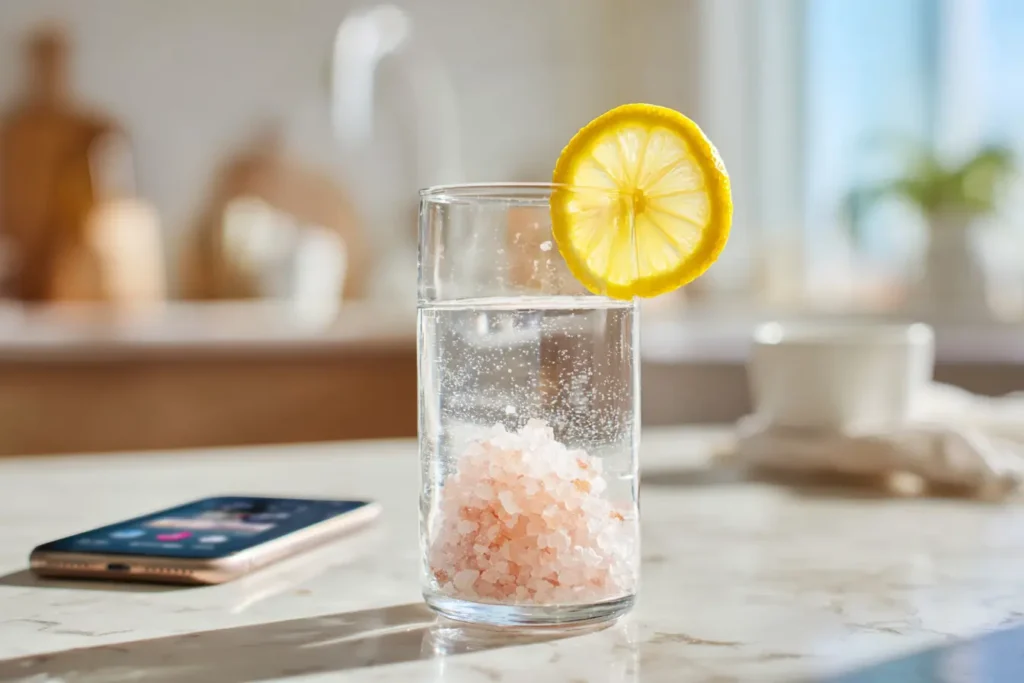
You’ll walk through the key results, how they compare with popular social media claims, and what to know before you pour another glass of pink salt water. For readers who prefer lower-sodium options, you’ll also see how gentler drinks like your natural Ozempic drink recipe and fiber-rich blends fit into a more sustainable routine
Table of Contents
Table of Contents
How the Pink Salt Trend Took Over
The dr flavia fayet moore pink salt study might sound technical, but the story starts in a much more familiar place: scrolling through TikTok at the end of a long day and seeing yet another “miracle” drink. Pink Himalayan salt swirls in a glass with lemon and water, the creator smiles at the camera, and the caption claims it helps with weight loss, bloating, and even energy. It feels simple, cheap, and almost too easy, especially if you already keep pink salt near the stove. Because these clips spread so quickly, many people never hear that the dr flavia fayet moore pink salt study actually raises questions about what hides inside some of these pretty pink crystals. The clips highlight the color and the idea of “natural minerals,” but they skip the boring details like heavy metals and how much salt still counts as safe in a normal day. As the pink salt trend grows, the name dr flavia fayet moore shows up more often in articles and discussions, but most viewers never connect the dots between that research and what lands in their glass. For someone who just wants a gentle, healthy routine, it can feel confusing to hold a jar of pink salt that looks wholesome while reading that the same type of salt may contain extra metals along with those minerals. That tension sets the stage for why a careful look at the dr flavia fayet moore pink salt study matters so much for real life. When you see weight loss claims packaged as a “pink salt trick,” it helps to know what the science actually measured, and how it lines up with your own health goals.
The dr flavia fayet moore pink salt study first caught my eye after seeing endless TikTok clips promising a “miracle” drink with pink Himalayan salt, lemon, and water, all framed as an easy shortcut for weight loss and bloating. As someone already exploring smarter wellness drinks like your natural Ozempic drink recipe and targeted options such as the Japanese Mounjaro recipe, the idea of yet another three-ingredient hack immediately raised questions about what actually sits inside those rosy crystals. Instead of pouring more sodium into a day that already includes salty foods, it often makes more sense to lean on real-food routines like your bariatric seed tea recipe, which supports digestion and gentle fat loss without pretending a pinch of salt in water can work like a supplement.
First Reactions to the Study in Real Life
Imagine this scene: you mix your daily pink salt drink and then stumble across an article breaking down the dr flavia fayet moore pink salt study in plain language. Suddenly, that glass in your hand feels a bit more complicated. The study compares different brands of pink Himalayan salt and lists out the minerals people love to mention, but it also points to heavy metals that no one puts in their TikTok captions. Reading those findings, you might feel a mix of surprise and frustration because the pink salt trend always sounds so pure and simple. Many people first react with disbelief and think, “But it’s just salt, how different can it be?” Then, after a closer look, the dr flavia fayet moore pink salt study starts to shift expectations. It shows that pink salt can bring small amounts of extra minerals, but it still counts as salt for your heart, blood pressure, and daily intake. That means the pink salt trick that promises weight loss can quietly bump up your sodium even if it feels like a wellness ritual. When you connect those dots, the whole story changes from “magic pink drink” to “another salty choice that needs a little caution.” From there, the rest of this article unpacks what the study really found and how to keep your routine safe and grounded in evidence.
What the Pink Salt Study Really Found
How the Study Looked at Pink Salt
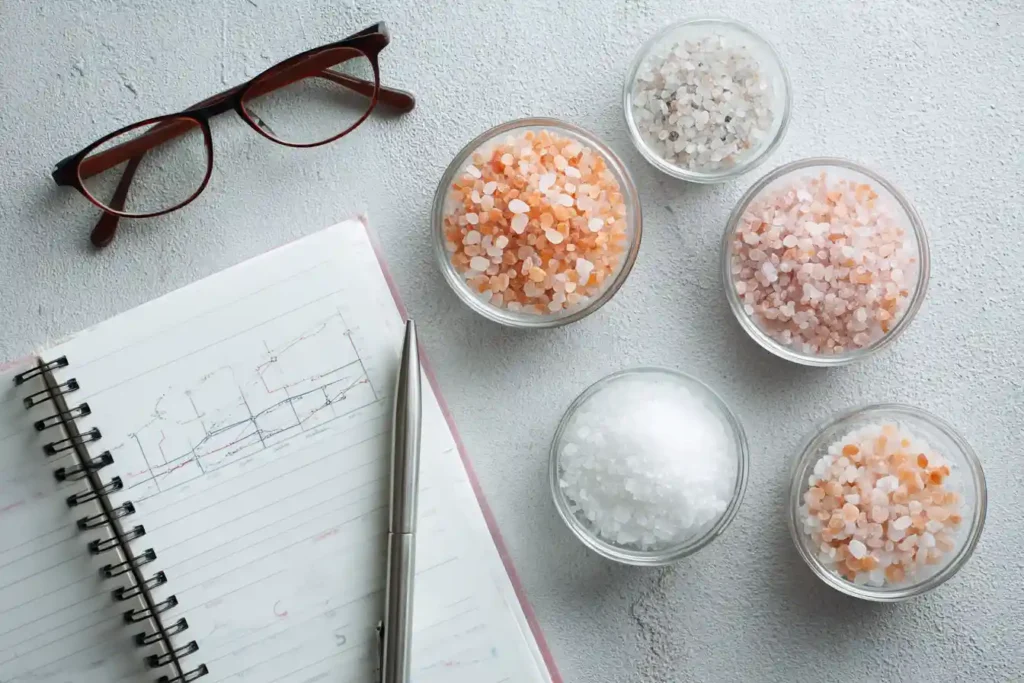
When people talk about the dr flavia fayet moore pink salt study, they often skip the basic setup, but that’s where the real story begins. Researchers collected a range of pink Himalayan salt samples, then checked how much sodium they contained and what kinds of minerals and trace elements showed up in each one. While many TikTok posts praise pink salt for its “extra minerals,” the study put numbers to that claim and showed that those extras appear in tiny amounts compared to the actual sodium. The dr flavia fayet moore pink salt study also compared pink salt to regular table salt to see whether the colorful crystals truly stand apart in a meaningful way. In most cases, pink salt still delivered similar sodium levels, and the mineral differences were small enough that they did not change basic health advice about salt intake. For someone following a pink salt trick every morning, that means the drink still counts as a salty choice, no matter how natural or pretty it looks in a glass. On a side note, if you enjoy simple comfort recipes while thinking about your salt use, pieces like a basic roast chicken or an easy pasta bake on Taste Our Dish already show how regular seasoning fits into real life meals without promising miracle fixes.
Minerals, Heavy Metals, and Safety
The part of the dr flavia fayet moore pink salt study that quietly worries many readers shows up in the trace elements section. Pink Himalayan salt can contain small amounts of beneficial minerals like calcium, magnesium, and potassium, but the study highlighted that some samples also carried trace levels of heavy metals such as lead, arsenic, or cadmium. These amounts typically sit below strict safety limits when used in normal cooking, yet they remind readers that more is not always better, especially if a viral pink salt trick encourages daily drinks with extra salt on top of food. When a person adds a pink salt weight loss drink to a day that already includes seasoned meals, the sodium load climbs, which can matter for blood pressure, fluid retention, and overall heart health. The dr flavia fayet moore pink salt study does not say pink salt is “poison,” but it pushes back against the idea that it works like a wellness supplement or magic detox powder. Instead, the findings suggest using pink salt the same way you’d use regular salt: sparingly, mainly for flavor, and always as part of a bigger pattern that includes whole foods, fruits, vegetables, and movement. For supportive ideas, think about balanced recipes on Taste Our Dish that pair seasoning with fiber-rich sides, like roasted veggies with herbs or a hearty salad alongside your favorite protein, which help you focus on the whole plate rather than any single ingredient.
TikTok Claims vs Real Science
The three ingredients people mix with pink salt
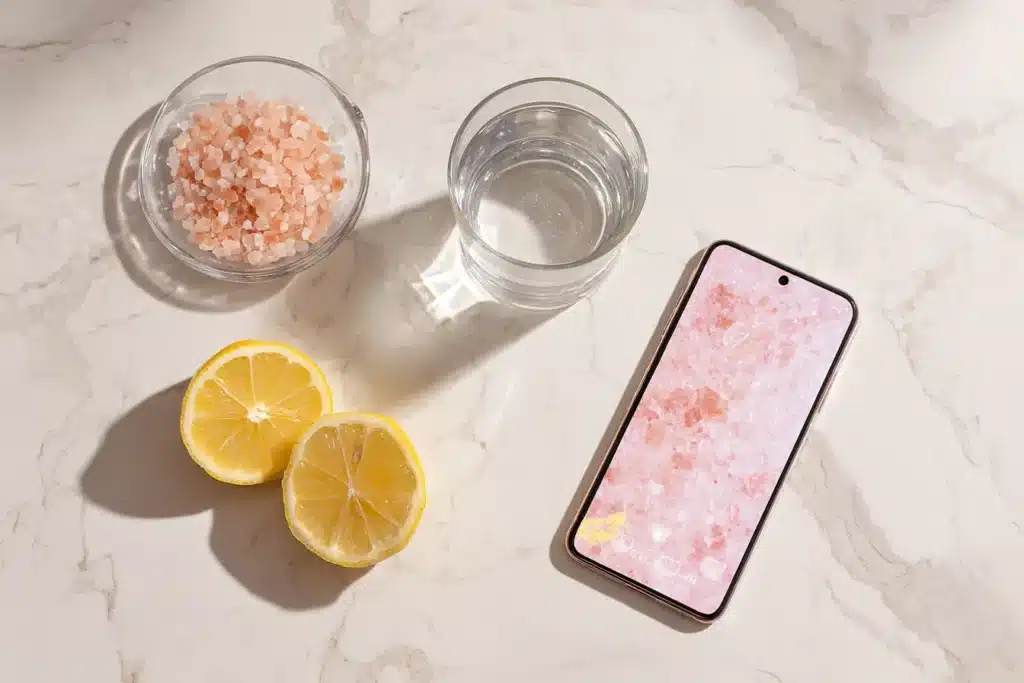
Most TikTok videos keep the pink salt trick very simple: pink Himalayan salt, water, and something tart like lemon juice or apple cider vinegar. Many creators stir about a quarter teaspoon of salt into a large glass of water, squeeze in fresh lemon, and sometimes add a splash of vinegar or a touch of sweetener, then drink it first thing in the morning. The dr flavia fayet moore pink salt study shows that, even in this simple mix, the salt still delivers a solid hit of sodium, so it counts toward your daily limit just like any other salty food. When you compare this to a more balanced wellness drink, such as the kind of natural Ozempic drink recipe that uses fiber-rich ingredients instead of more salt, the difference becomes clear: one supports fullness and blood sugar with real metabolic benefits, while the other mainly adds flavor and sodium. This doesn’t mean you can never enjoy a pinch of pink salt in water, but it does mean you want to stay honest about what it actually does in your body.
Do these three ingredients really help you lose weight
The promise sounds tempting: mix pink salt, lemon, and water, then watch the scale drop. In reality, the dr flavia fayet moore pink salt study does not show any direct weight-loss effect from pink Himalayan salt itself, and standard nutrition research points to overall calorie balance, movement, and sleep as the real drivers of fat loss. The three-ingredient pink salt drink might help some people drink more fluids or feel like they start the day with a routine, which can support better choices, but the salt does not melt fat or erase a high-calorie diet. If you want a simple drink that fits into a realistic weight-loss plan, you’ll likely see more benefit from options that focus on fiber, hydration, and gentle blood sugar support rather than added sodium. That way, your morning glass works with your meals and snacks, instead of distracting you with a promise the science does not back up.
Is there any evidence for Himalayan salt
Many people believe pink Himalayan salt offers unique health benefits because it looks more natural and contains trace minerals. The dr flavia fayet moore pink salt study confirms that pink salt does hold small amounts of minerals like calcium, potassium, and magnesium, but these show up in tiny quantities that don’t significantly change your nutrient intake at normal serving sizes. Scientific reviews of specialty salts echo this idea and note that, once you zoom out to the full diet, pink salt behaves much like regular salt in terms of sodium content and impact on blood pressure when used freely. That means the biggest health factor is still how much total salt you take in across the day, not whether it looks pink or white in the shaker. For meaningful mineral support, it makes far more sense to rely on whole foods like fruits, vegetables, legumes, and dairy rather than hoping a few grains of pink salt will shift your health.
How this study fits the bigger picture
The dr flavia fayet moore pink salt study slots into a larger body of research that questions wellness trends that promise big results from small, isolated changes. Just like other viral hacks, the pink salt trick takes a single ingredient, wraps it in bold claims, and often ignores the broader context of diet quality, movement, sleep, and stress. When you zoom out, the study’s message lines up with mainstream guidelines: enjoy salt for flavor, keep an eye on your total intake, and avoid treating any form of salt as a supplement or detox tool. Instead of pouring energy into a salty morning drink, you gain more by building routines that truly move the needle, such as fiber-rich meals, steady protein, and realistic activity you actually like.
On your own site, that long-term, food-first approach shows up in everything from strategic drinks like the natural Ozempic drink recipe and bariatric seed tea recipe to comfort classics such as miso soup made simple and small-batch treats like canning grape jelly, all of which make health feel like something you live with daily, not chase in a single salty glass.

FAQ
What are the three ingredients in the pink salt trick on TikTok?
Most versions of the viral pink salt trick use three basic ingredients: pink Himalayan salt, water, and something acidic like lemon juice or apple cider vinegar. Creators usually mix a small pinch of pink salt with a large glass of water, then add fresh lemon or vinegar and sometimes a bit of sweetener before drinking it in the morning. While this drink looks simple, the dr flavia fayet moore pink salt study reminds you that the pink salt still counts toward your daily sodium intake, so it behaves more like another salty choice than a magic wellness potion. For a more balanced option that focuses on fiber, gentle blood sugar support, and hydration, a natural Ozempic drink recipe built with ingredients like chia, lemon, and apple cider vinegar offers a smarter morning ritual.
Is there any evidence for Himalayan salt?
There is evidence that pink Himalayan salt contains trace minerals such as calcium, potassium, and magnesium, but the dr flavia fayet moore pink salt study shows those minerals appear in very small amounts at normal serving sizes. Nutrition research also notes that pink salt delivers sodium at levels similar to regular table salt, which means it still affects blood pressure and fluid balance if you use it freely. In other words, pink salt is not a cure-all or a supplement; it is simply another form of salt that you can enjoy in moderation for flavor and color. For meaningful mineral intake, whole foods like vegetables, fruits, legumes, and dairy contribute far more than a few extra grains of specialty salt.
What three ingredients do you mix with pink salt to lose weight?
Most weight-loss versions of the pink salt drink mix pink Himalayan salt with water and either lemon or apple cider vinegar, then sometimes add a touch of sweetener. Some creators claim this combo helps reduce bloating, curb cravings, or “boost metabolism,” but the dr flavia fayet moore pink salt study does not show any direct fat-burning or slimming effect from pink salt itself. The drink might help you drink more water or start the day with a routine, which can indirectly support better choices, but the ingredients do not replace a balanced diet, movement, or sleep. If you want a drink that fits into a realistic weight-management plan, the natural Ozempic drink recipe on Taste Our Dish uses fiber and thoughtful ingredients to support fullness and blood sugar in a more meaningful way than extra salt.
Where can I get the pink salt for weight loss?
You can buy pink Himalayan salt in most grocery stores, online marketplaces, and specialty food shops, usually near the regular salt or spice section. When shopping, look for food-grade pink Himalayan salt from brands that share sourcing or testing information, especially if you plan to use it often. Still, the dr flavia fayet moore pink salt study suggests the bigger question is how much salt you use in a day, not where you buy it. Rather than centering your weight-loss efforts on pink salt, focus on whole-food recipes, like the Japanese Mounjaro recipe or comforting options such as miso soup made simple and canning grape jelly, which support a satisfying, sustainable way of eating.
Conclusion
The dr flavia fayet moore pink salt study cuts through the noise around the pink salt trick and shows that, while pink Himalayan salt looks special, it behaves much like regular salt in your body. The drink trend with three simple ingredients may feel fun and ritualistic, but real progress toward better health and weight loss still comes from your overall routine: what you eat, how you move, how you sleep, and how consistently you care for yourself. Pink salt can stay in your kitchen as a flavorful, colorful seasoning, but it works best alongside grounded, evidence-based habits and nourishing recipes rather than as the star of a viral quick fix.
Print
Dr flavia fayet moore pink salt study: honest truth about the trend
- Total Time: 5 minutes
- Yield: 1 serving
Description
Light, refreshing pink salt lemon water inspired by the viral pink salt drink trend. This simple drink focuses on flavor and hydration, not miracle weight loss promises.
Ingredients
1 1/2 cups cold filtered water
1/4 teaspoon fine pink Himalayan salt
2 tablespoons fresh lemon juice
1 teaspoon honey or maple syrup (optional)
3–4 ice cubes
1 thin lemon slice, for serving
Instructions
1. Add the cold filtered water to a large glass.
2. Stir in the pink Himalayan salt until it dissolves fully.
3. Add the fresh lemon juice and stir again to combine.
4. Taste and add honey or maple syrup if you want a little sweetness.
5. Drop in the ice cubes and garnish with a lemon slice.
6. Drink slowly and pair this drink with balanced meals and movement throughout the day.
Notes
This drink does not replace medical treatment or a balanced diet.
Use food‑grade pink Himalayan salt from a trusted brand.
If you live with high blood pressure or kidney disease, talk with your doctor before changing how much salt you drink.
Enjoy this as a refreshing drink once in a while, not as a quick fix for weight loss.
- Prep Time: 5 minutes
- Cook Time: 0 minutes
- Category: Drinks
- Method: No Cook
- Cuisine: American
Nutrition
- Serving Size: 1 glass
- Calories: 15
- Sugar: 3
- Sodium: 380
- Fat: 0
- Saturated Fat: 0
- Unsaturated Fat: 0
- Trans Fat: 0
- Carbohydrates: 4
- Fiber: 0
- Protein: 0
- Cholesterol: 0