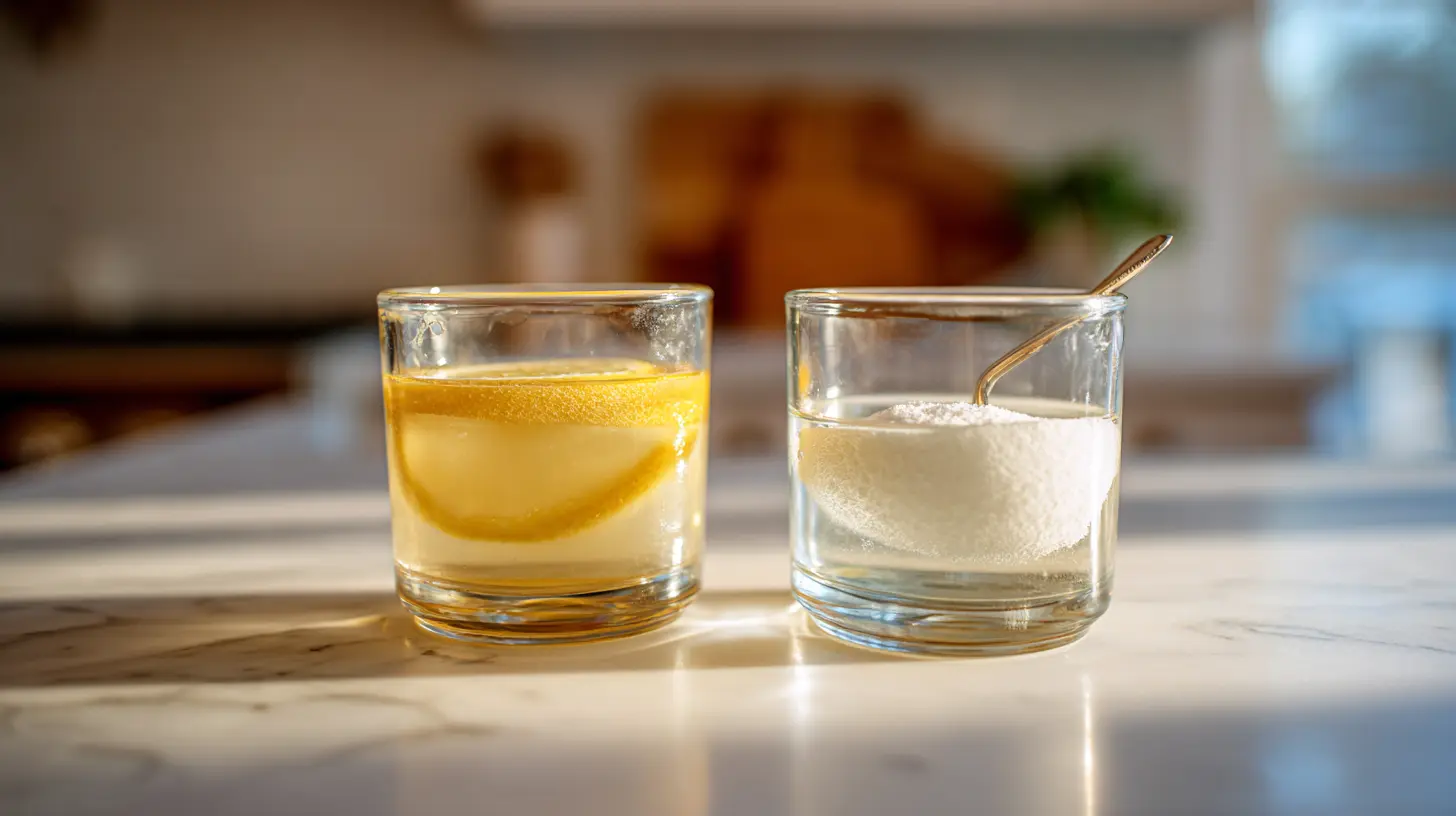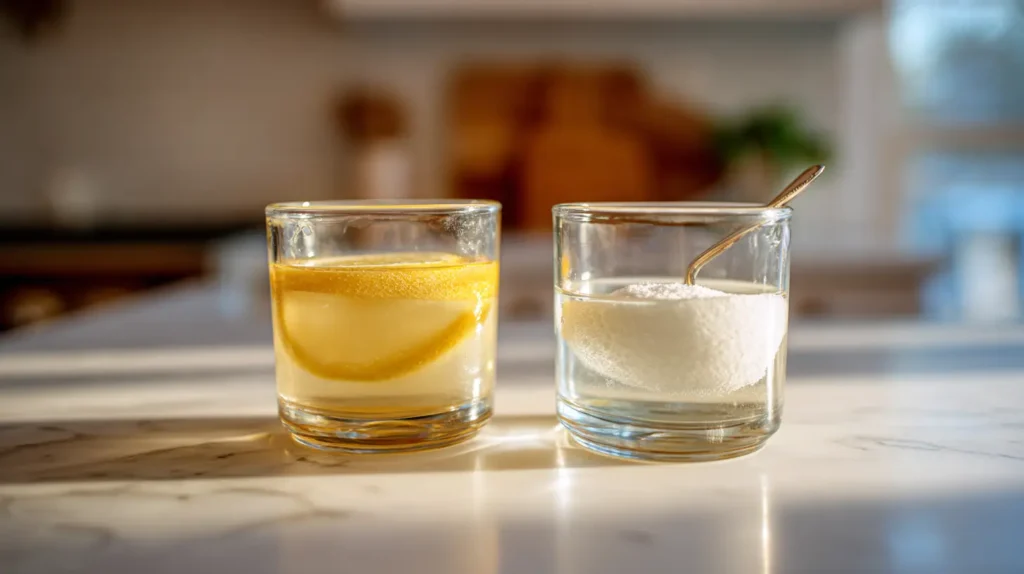
I’ll be honest I grabbed the wrong powder the first time I tried this. I’d seen everyone talking about the gelatin trick for weight loss, got excited, ordered what I thought was the right thing, mixed it into my evening tea, and… nothing. No thickness, no fullness, just flavored water. Turns out I’d bought collagen peptides instead of gelatin. They look almost identical in the bag. Easy mistake. But once I switched? Completely different story.
That one mix-up taught me everything I needed to know about the real difference between gelatin and collagen. And I want to save you that same confused week of wondering why nothing’s working.
So here’s what I’ve figured out through actual testing, not just research about gelatin vs collagen, which one does what, and exactly when to use each one.
Table of Contents
Table of Contents

Gelatin vs Collagen: Which One Actually Works for the Gelatin Trick?
- Total Time: 5 minutes
- Yield: 1 serving
Description
I used to wonder why my evening tea never made me feel full until I started dissolving one teaspoon of unflavored gelatin into it. Within a few days, I noticed I was eating smaller portions without even trying. This is the simplest version of the gelatin trick recipe I keep coming back to: five minutes, one mug, and your appetite is already working with you before the meal even starts.
Ingredients
1–2 tsp unflavored grass-fed gelatin powder
1 cup herbal tea or warm water (just below boiling)
1 tsp raw honey (optional, for light sweetness)
1 small pinch of turmeric (optional, anti-inflammatory boost)
1 fresh lemon slice, for serving
Instructions
1. Heat your herbal tea or water to just below boiling around 190°F (88°C). Boiling water can weaken the gelling effect.
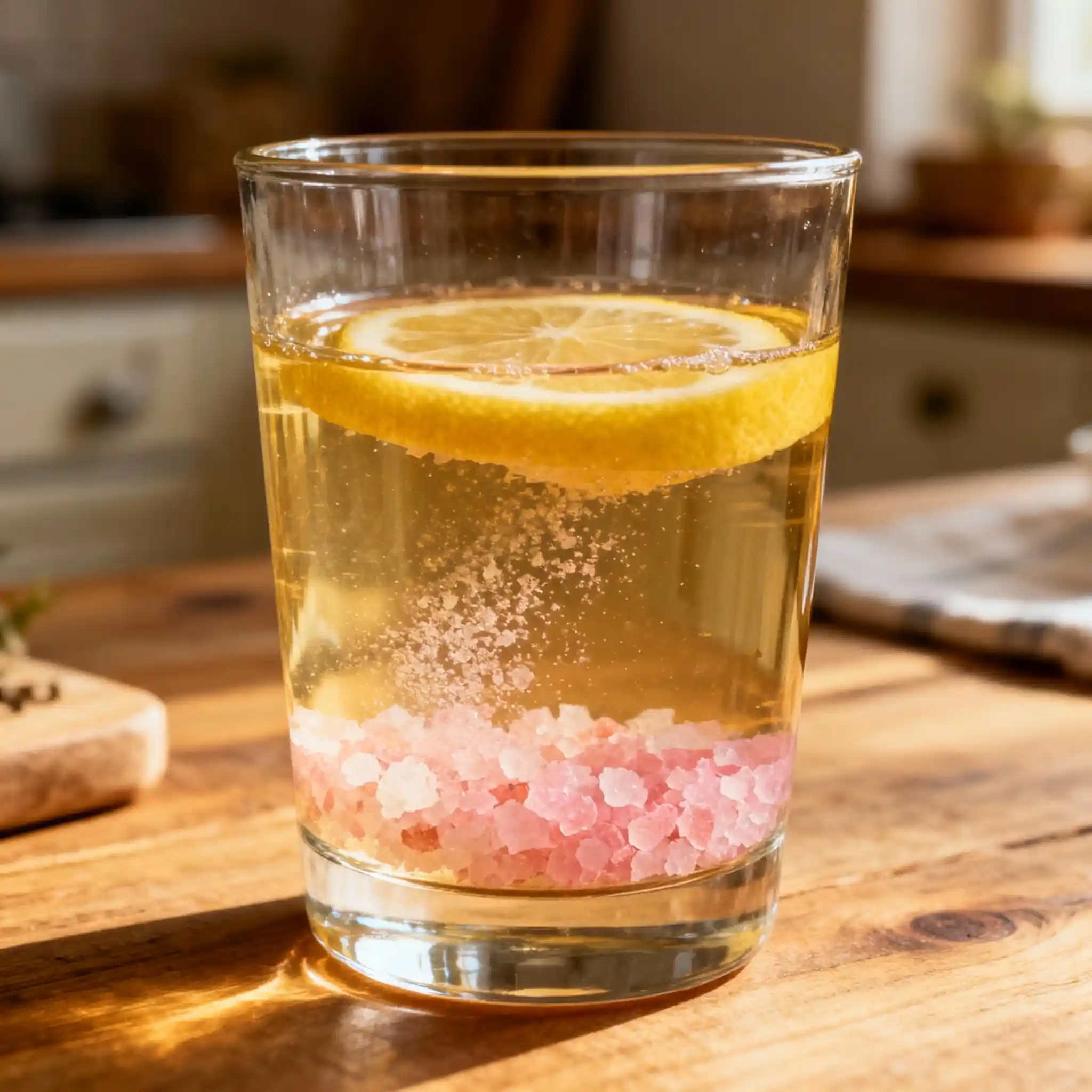
2. Sprinkle the gelatin powder over the surface of the warm liquid. Do not dump it all at once sprinkle slowly.
3. Stir gently but steadily for about 60 seconds until the gelatin is fully dissolved and no clumps remain.
4. Add raw honey and a pinch of turmeric if using. Stir once more to combine.
5. Add your lemon slice to the rim or drop it in for a light citrus note.
6. Sip slowly, 15–20 minutes before your main meal. Do not rush it — slow sipping gives the gel time to form.
7. Repeat daily, preferably before your largest meal of the day, for consistent appetite control results.
Notes
Best gelatin to use: Look for 100% pure, unflavored, grass-fed bovine gelatin powder. Avoid instant or flavored mixes they contain additives that prevent proper gelling.
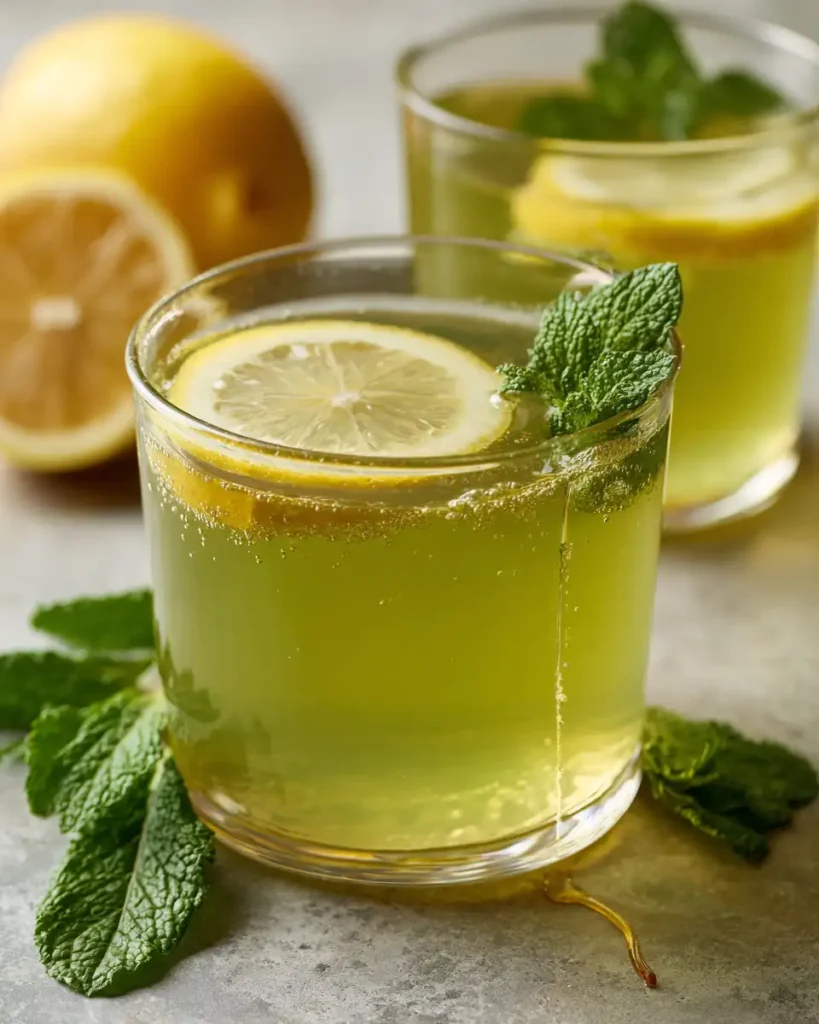
Herbal tea options: Chamomile, ginger, peppermint, or green tea all work beautifully here. Each adds its own gentle wellness benefit.
Vitamin C tip: Adding lemon isn’t just for flavor — Vitamin C helps your body synthesize collagen more effectively when paired with gelatin.
Variation ideas: Try this with green tea for a metabolism boost, or with warm apple juice (unsweetened) for a sweeter version. See the green tea gelatin recipe for more ideas.
If your drink doesn’t thicken: You likely used too-hot water, too little gelatin, or collagen peptides instead of gelatin. These look identical in the bag — always check the label.
Pair with balanced meals: This is an appetite management tool, not a meal replacement. Follow it with protein-rich, nutrient-dense meals for best results.
- Prep Time: 2 minutes
- Cook Time: 3 minutes
- Category: Weight Loss Drinks
- Method: Stir & Dissolve
- Cuisine: Wellness
Nutrition
- Serving Size: 1 cup (240ml)
- Calories: 38
- Sugar: 4g
- Sodium: 13mg
- Fat: 0g
- Saturated Fat: 0g
- Unsaturated Fat: 0g
- Trans Fat: 0g
- Carbohydrates: 5g
- Fiber: 0g
- Protein: 6g
- Cholesterol: 0mg
Quick Takeaways Before We Dive In
- Gelatin gels. Collagen peptides dissolve. That one difference changes everything.
- For the gelatin trick and appetite control, only gelatin works collagen won’t create that fullness feeling.
- For skin, joints, and daily convenience, collagen peptides are the better fit.
- Both come from the same source collagen protein but are processed differently.
- You can absolutely use both. Many people do. They just serve different goals.
Gelatin vs Collagen: What They Really Are
Both start from the same place: collagen, the most abundant protein in your body. It holds your skin, joints, tendons, and connective tissues together. According to Harvard’s T.H. Chan School of Public Health, collagen makes up about one-third of the body’s total protein mass. The difference between gelatin and collagen peptides comes entirely down to how that raw material is processed.
What Is Gelatin And Why It Gels
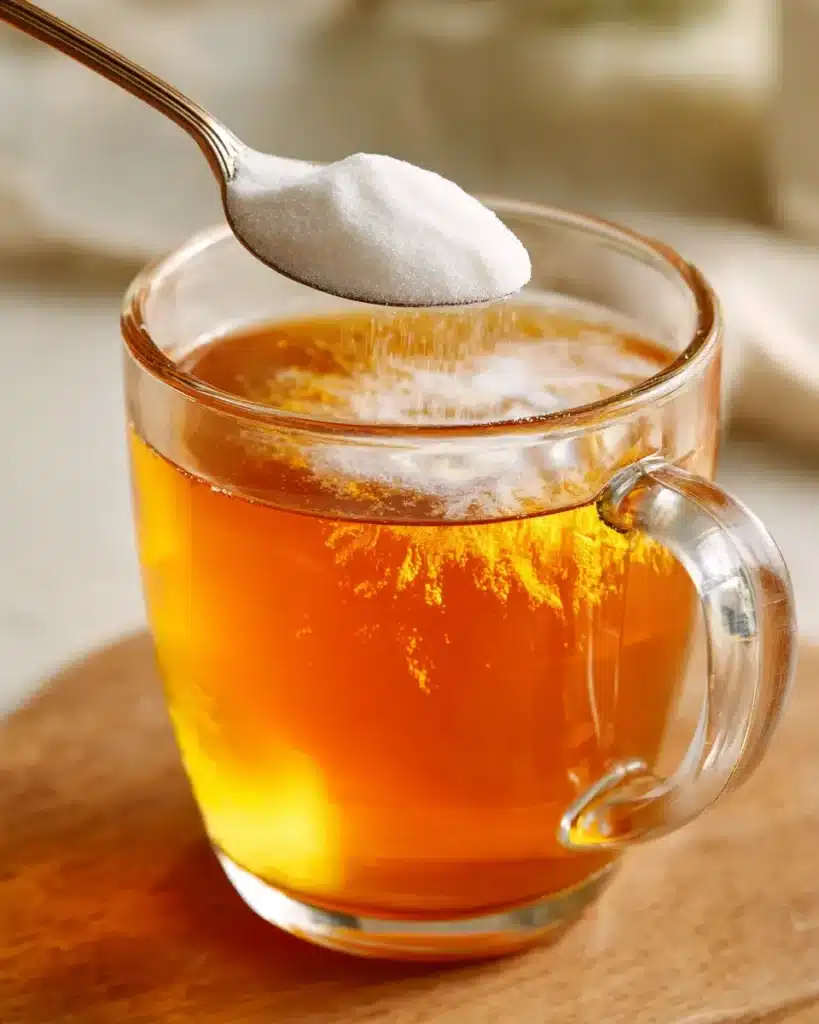
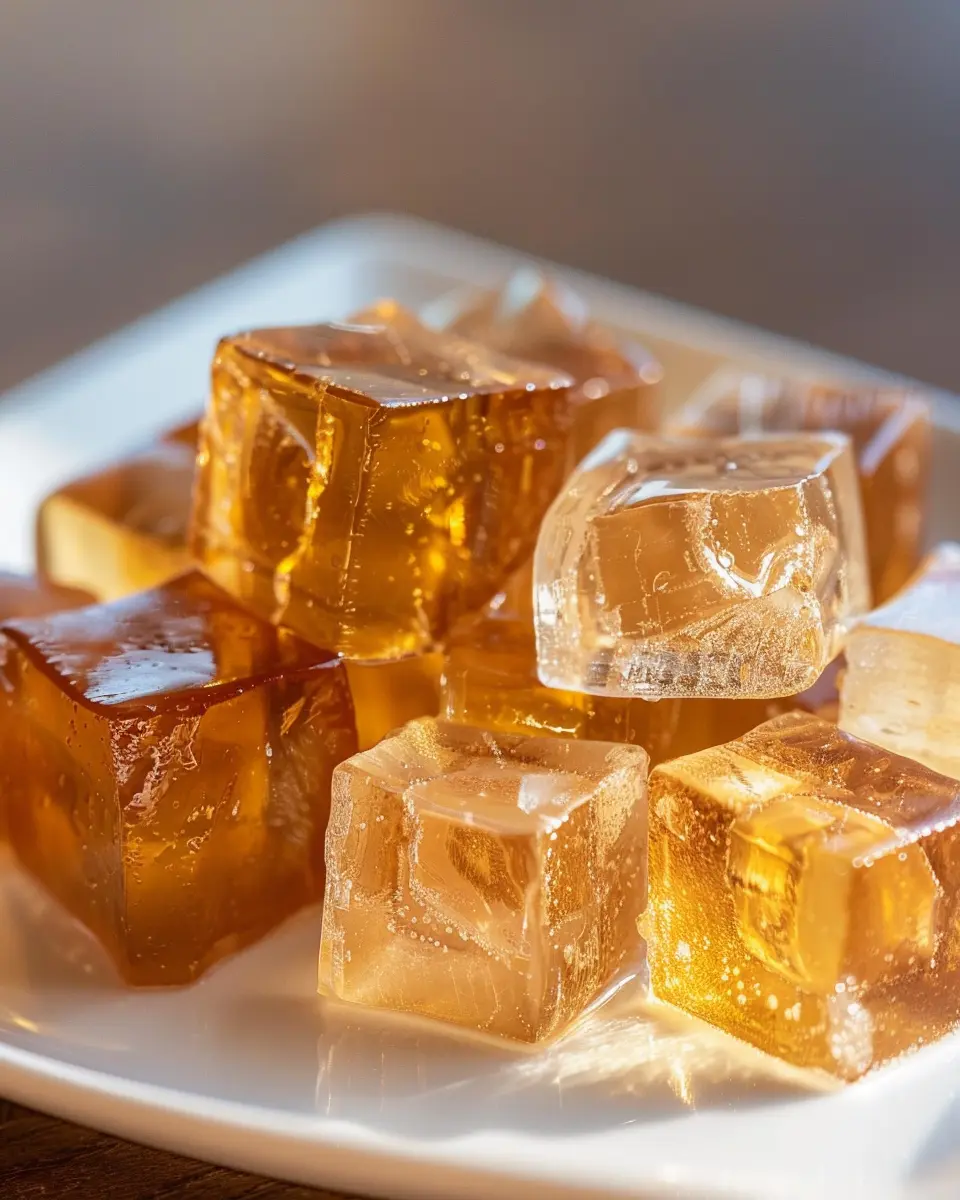
Gelatin is partially hydrolyzed collagen. That partial breakdown is the key. When you stir gelatin powder into hot liquid and let it cool, it forms a soft, wobbly gel. That’s not just a textural quirk it’s the exact mechanism that makes the gelatin trick for weight loss work. The gel takes up real space in your stomach, presses gently against the stomach walls, and triggers your brain’s fullness signals. You feel genuinely satisfied, not tricked or jittery.
Gelatin also needs to “bloom” before use you let it sit in cold liquid first, then dissolve it in hot. It won’t mix into cold drinks the same way collagen will. A small inconvenience for a noticeably bigger payoff in terms of satiety. If you want a full walkthrough on how to do this right, this guide to using gelatin powder walks you through every step.
What Is Collagen And Why It Dissolves
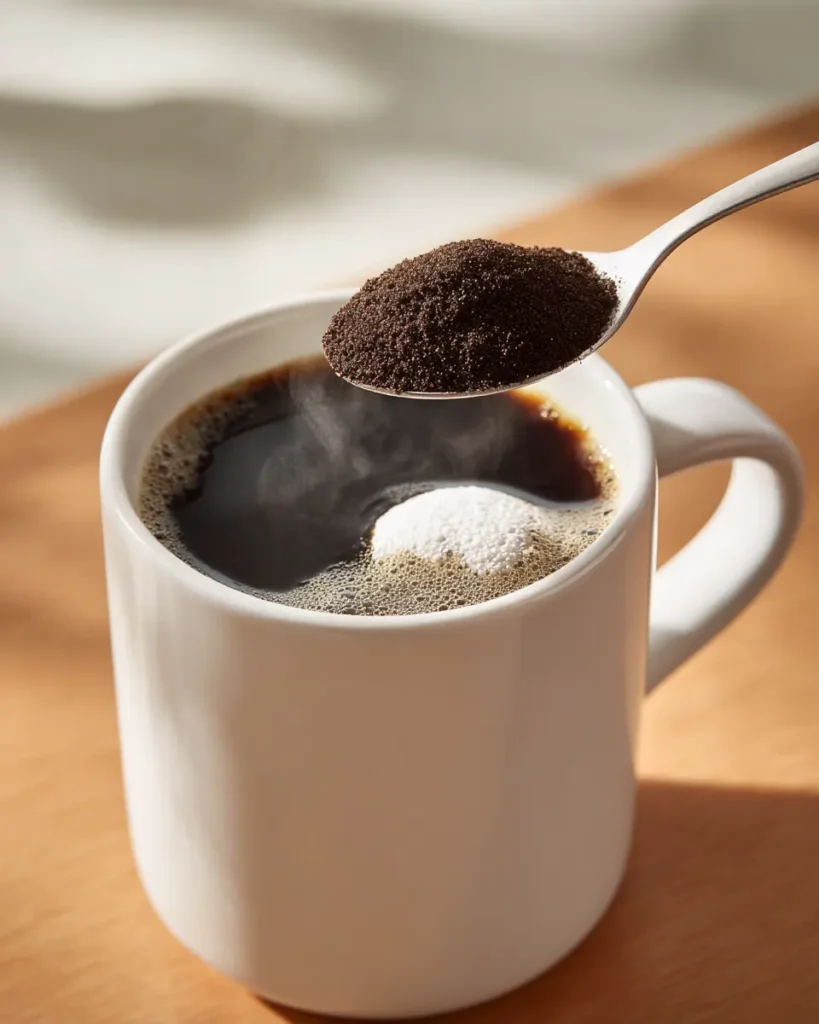
Collagen peptides (also called hydrolyzed collagen) go through a complete hydrolysis process. The protein chains are broken all the way down into tiny peptides that dissolve instantly in hot coffee, cold smoothies, juice, whatever you’re drinking. No clumps, no gel, no texture change at all. That’s exactly what makes them perfect for daily convenience. You don’t even notice them in your drink.
The tradeoff is that collagen peptides won’t create the fullness effect that gelatin does. They dissolve fully, which means no gel forms in your stomach. They’re excellent for skin, joints, and gut health over time. Just not for the gelatin trick for appetite control.
Hydrolysis: The Real Difference Between Gelatin and Collagen Peptides
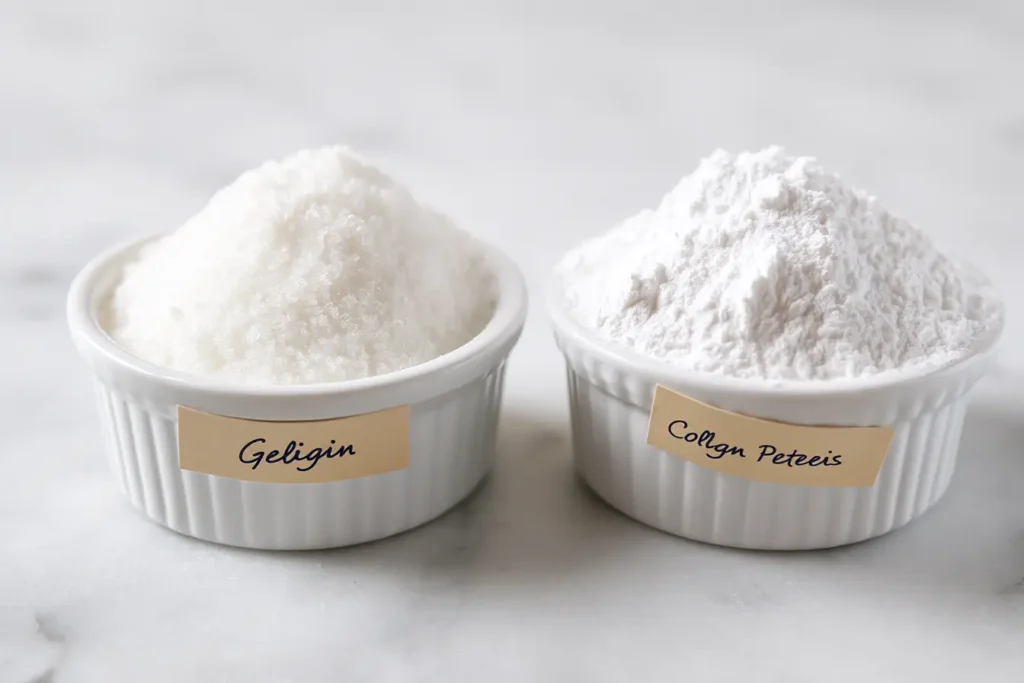
This one word explains everything. Hydrolysis is the process of breaking protein chains with water and enzymes. Gelatin is partially hydrolyzed broken down just enough to dissolve in hot liquid but still able to form a gel when cooled. Collagen peptides are fully hydrolyzed broken into fragments so small they dissolve in anything and can’t reassemble into a gel.
A ClinicalTrials.gov study on gelatin, collagen, and collagen synthesis found that both gelatin and hydrolyzed collagen can stimulate collagen production in the body but they behave very differently in drinks and in the stomach. Same origin. Very different behavior.
| Feature | Gelatin | Collagen Peptides |
|---|---|---|
| Gels in liquid? | ✅ Yes (forms a thick gel) | ❌ No (dissolves completely) |
| Works for the gelatin trick? | ✅ Yes this is its superpower | ❌ No won’t create fullness |
| Mixes in cold liquid? | ❌ Needs hot liquid first | ✅ Yes mixes in anything |
| Best for smoothies/coffee? | ❌ Changes texture | ✅ Tasteless protein boost |
| Appetite control? | Strong effect | Minimal effect |
| Cost? | More affordable | More expensive |
| Best for skin and joints? | Good | ✅ Superior absorption |
Texture and Satiety: Why the Gelatin Trick Works
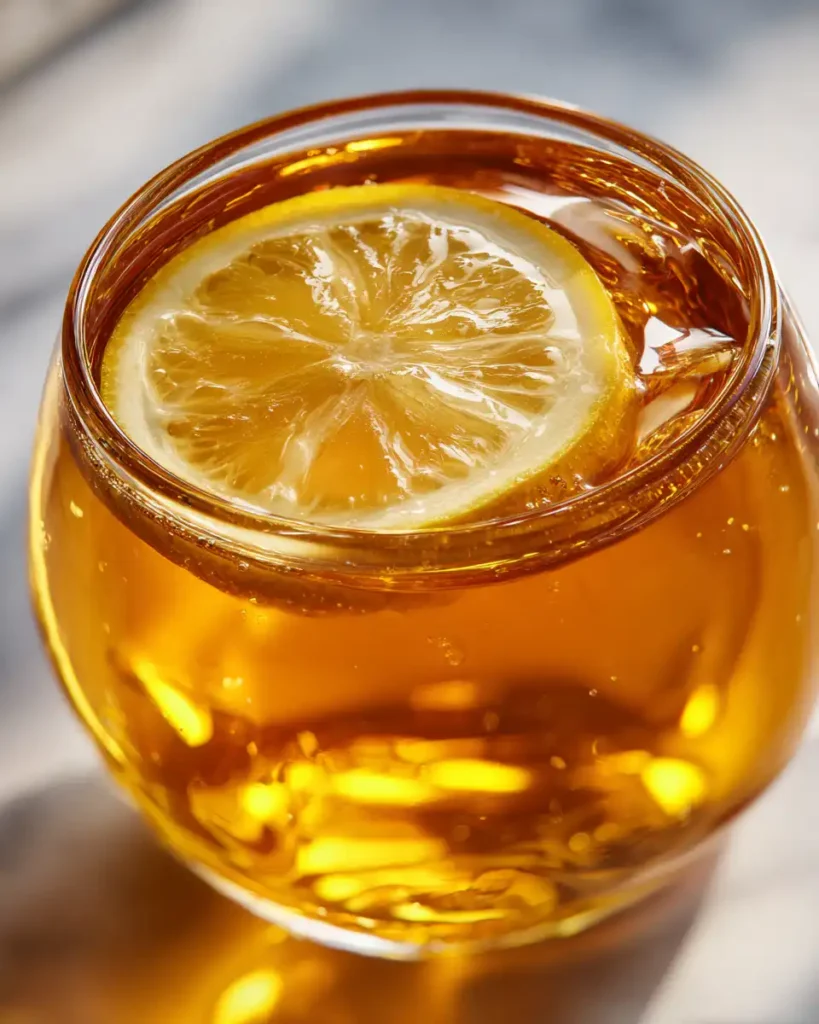
Here’s the simple version: gelatin changes texture, collagen only changes nutrition. When you drink warm gelatin and it cools inside your stomach, it forms a gentle gel layer. That physical presence slows digestion and sends real fullness signals to your brain. Research published on PubMed examining protein types and satiety confirms that protein form and texture play a meaningful role in how full you feel after eating not just calories or volume.
What I notice personally: one small warm cup of gelatin before dinner and I genuinely eat less. Not because I’m forcing myself I just reach a comfortable stopping point sooner. That’s the trick working exactly as it should. If you’re wondering how to work this into your day-to-day, this guide on using gelatin to curb appetite has some really practical approaches.
Why Collagen Peptides Don’t Create the Same Fullness
Collagen peptides dissolve completely and pass through the stomach without ever forming a physical gel. That means no texture cue, no volume, no “I’m full” signal from the stomach walls. They do deliver amino acids glycine, proline, hydroxyproline which support collagen production and tissue repair. But they won’t replicate what gelatin does in the context of appetite management. You’ll still get the nutritional benefits. Just not the satiety effect from the gelatin trick for weight loss.
Gelatin vs Collagen for Weight Loss: The Clear Winner
If weight loss and appetite control are your goal, gelatin wins this comparison and it’s not close. The gelling mechanism is what makes it effective. Each serving delivers about 8–10 grams of protein with no added sugars or fillers. Drink it warm, 15–20 minutes before your biggest meal, and it does something no collagen peptide powder can: it makes your stomach feel already partially full before you sit down to eat.
The science backs this up. Gelled proteins and fibers are repeatedly shown to slow gastric emptying and increase satiety duration. A PubMed clinical study on collagen peptide supplementation confirms that the form of the protein matters significantly for physiological effect. And if you want to see exactly what this looks like as an actual recipe, the complete gelatin trick recipe on the site is a great place to start.
How to Get the Best Results with Gelatin

- Use 1 teaspoon of pure, grass-fed unflavored gelatin in hot tea, warm water, or unsweetened juice
- Let it bloom in cold liquid for 3–5 minutes first, then dissolve in hot liquid don’t skip this
- Drink it slowly, about 15–20 minutes before a meal
- Do this consistently daily use over a few weeks is where you’ll really notice the difference
- Avoid anything labeled “instant” or flavored those additives often prevent proper gelling
For a fun and practical gelatin drink you can actually look forward to, the green tea gelatin recipe is one of my favorites it adds a gentle metabolism boost and tastes genuinely good.
When to Use Collagen Peptides Instead
Collagen peptides absolutely earn their place in a wellness routine just not for the gelatin trick. Where they shine is in long-term support for skin, joints, hair, and gut health. Because they’re fully hydrolyzed, they absorb quickly and can reach connective tissues efficiently. A clinical trial published on PubMed showed collagen peptide supplementation improved skin elasticity by 40% and reduced joint pain by 43% over 90 days. That’s genuinely impressive for a supplement this simple to take.
The other big advantage is pure convenience. You can stir collagen into your morning coffee and never notice it’s there. No blooming, no heating, no texture change. If you already have a morning drink ritual and want to add a passive protein boost, collagen peptides are the easiest possible upgrade. For an easy morning routine that pairs beautifully with collagen, the Jennifer Aniston coffee loophole recipe is worth checking out.
When to Choose Collagen or Gelatin: A Quick Reference
| Your Goal | Best Choice | Why |
|---|---|---|
| Weight loss & appetite control | Gelatin | Gels in stomach, creates real fullness |
| Skin elasticity & beauty | Collagen Peptides | Fast absorption, supports collagen production |
| Joint health & mobility | Collagen Peptides | Reaches cartilage and connective tissue efficiently |
| Daily coffee or smoothie boost | Collagen Peptides | Dissolves instantly, completely tasteless |
| Recipes, gummies, or thickening | Gelatin | Sets firmly when cooled, perfect texture |
| Budget-conscious choice | Gelatin | More affordable, widely available |
Can I Take Collagen and Gelatin Together?
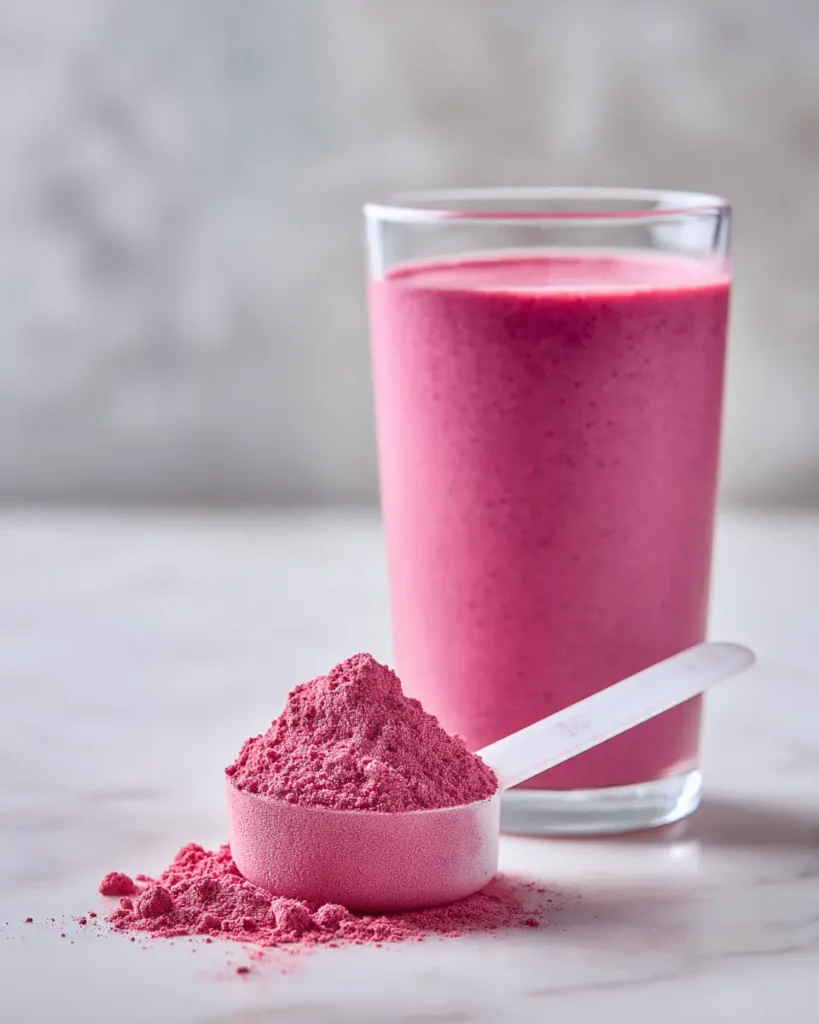
Yes and honestly, a lot of people do exactly this. The strategy I’ve seen work well: use gelatin in the evening, about 20 minutes before dinner, for the appetite-control effect. Then use collagen peptides in the morning, stirred into coffee or a smoothie, for skin and joint support throughout the day. They complement each other perfectly because they serve different purposes at different times. There’s no conflict between them, and your body uses both forms of amino acids well.
If you want to combine this with an intermittent fasting routine, the article on gelatin and intermittent fasting is a really helpful read it covers timing, amounts, and whether gelatin breaks a fast.
Gelatin vs Collagen for Skin and Hair: What the Research Says
Both provide the building blocks your body needs primarily glycine, proline, and hydroxyproline. Harvard’s Nutrition Source confirms that these amino acids are essential for maintaining collagen density in skin and supporting joint cartilage integrity. For skin specifically, collagen peptides have a slight edge because their smaller molecular size means they absorb faster and more completely. But gelatin still contributes it just takes a slightly different path.
For hair growth, the picture is similar. Both supply amino acids that support keratin production. Collagen peptides are more commonly studied in this context, but adding gelatin to your routine regularly does contribute over time. If hair and skin are a major focus for you, pairing a daily collagen peptide routine with an antioxidant-rich diet gives the best results. The deep dive on glycine in gelatin explains exactly how gelatin’s amino acid profile supports these benefits.
How to Choose Quality Gelatin or Collagen: What to Look For
With so many products out there, it’s genuinely hard to know what you’re buying. Here’s what I actually look at:
Source Matters Most
Look for grass-fed bovine sources for both gelatin and collagen peptides. If you prefer fish-based options, marine collagen (from fish scales) is a well-absorbed alternative, particularly for skin benefits. Avoid products that blend in additives, flavors, or sweeteners these interfere with gelatin’s ability to set properly and often signal lower quality overall.
Label Transparency
A trustworthy product shows a full amino acid profile on the label especially glycine and proline content. Clear serving size, no hidden fillers, straightforward instructions. If the label is vague about source or processing method, skip it. The Dr. Oz gelatin guide has some solid brand-level recommendations if you’re not sure where to start.
Solubility Test
Quick home test: stir one teaspoon of your powder into hot water, then refrigerate for 30 minutes. If it sets into a wobbly gel it’s gelatin. If it stays liquid it’s collagen peptides. If you’re trying the gelatin trick for weight loss and your drink never thickens, this test will immediately tell you if you have the wrong product. For more troubleshooting help, the gelatin water trick recipe page has practical notes on getting the right texture every time.
Gelatin vs Collagen Health Benefits: Side by Side
Both proteins share an impressive list of wellness benefits because they come from the same origin and deliver the same core amino acids. Here’s where each one leads:
- Gut health: Both support the gut lining. Glycine, abundant in both, helps maintain intestinal integrity and reduce inflammation.
- Sleep quality: Glycine is linked to improved sleep depth a benefit found in both forms, though gelatin delivers higher concentrations per serving.
- Metabolism support: Gelatin’s protein helps preserve lean muscle while reducing caloric intake naturally. See more at gelatin drink for metabolism boost.
- Collagen synthesis: Both trigger your body to produce its own collagen particularly when taken with vitamin C. A ClinicalTrials.gov study specifically found that 15g of gelatin with vitamin C significantly increased the marker for collagen synthesis (PINP) in the blood.
- Joint comfort: Collagen peptides have stronger clinical evidence for joint cartilage support, confirmed in a double-blind PubMed trial on osteoarthritis and collagen peptides.
FAQs About Gelatin vs Collagen
Should you choose collagen or gelatin?
It depends entirely on your goal. If you’re using the gelatin trick for appetite control and weight loss, choose gelatin it’s the only one that gels in your stomach and creates physical fullness. If you want to support your skin, joints, or just add daily protein to your routine without changing drink texture, choose collagen peptides. Many people use both at different times of day, which is perfectly fine.
Is collagen as good as gelatin?
For some purposes, yes and for others, no. Collagen peptides are superior for skin and joint support because of their faster absorption and greater bioavailability. But for the gelatin trick specifically, collagen peptides simply don’t work they can’t form a gel, so they can’t create the satiety effect that gelatin produces. They’re both good. They’re just good at different things.
Does Jello really have collagen?
Technically, regular Jell-O contains gelatin, which is a form of partially hydrolyzed collagen so yes, it contains collagen-derived protein. But store-bought Jell-O mixes also contain sugar, artificial flavors, and food dyes, which make them unsuitable for the gelatin trick or any wellness-focused use. For the real benefits, you need pure unflavored gelatin powder not a flavored dessert mix. The 3-ingredient gelatin recipe here shows exactly what to use instead.
Can I use gelatin powder instead of collagen?
Yes with one important consideration. Gelatin powder can substitute for collagen peptides in recipes and wellness drinks, and it delivers similar amino acids. However, it will change the texture of whatever you add it to, since it gels when cooled. If you’re adding it to a cold smoothie or juice and don’t want it to set, use it while the liquid is still warm and drink it right away. For appetite-control purposes, gelatin powder is the preferred choice not a substitute, but the actual superior option. The Jillian Michaels gelatin recipe is a great entry point if you’re just getting started.
What gelatin has collagen?
All unflavored gelatin is made from collagen it is partially hydrolyzed collagen. Grass-fed gelatin powders like those made from bovine hide or bones are among the richest natural sources. Bone broth is also a natural source of both gelatin and collagen, though the exact amounts vary depending on cooking time and method. Powdered gelatin gives you more consistent, measurable doses. For a naturally collagen-rich broth-based option, the Dr. Mark Hyman gelatin recipe is worth a look.
Final Thoughts: Use Both Just Use Them Right

Here’s where I’ve landed after months of testing and reading through the actual research: gelatin and collagen peptides aren’t competitors they’re teammates. Gelatin is your appetite manager, your pre-meal satiety tool, your gelatin trick superstar. Collagen peptides are your daily background support for skin, hair, joints, and gut health. One works in the moment. The other works quietly over time.
If I had to pick just one to start with, I’d say try gelatin first. The effect is noticeable fast often within the first few days and that quick feedback helps you stay consistent. Once you’ve got the gelatin habit going, adding collagen to your morning coffee is the easiest upgrade you can make to your wellness routine.
And if you want to see some creative ways to make this actually enjoyable not just medicinal the Kelly Clarkson gelatin recipe, the Dr. Jennifer Ashton gelatin trick recipe, and the full gelatin trick recipe for weight loss are all great starting points. Lots of flavor options, same powerful base.
Have you tried gelatin, collagen, or both? I’d genuinely love to know what’s worked for you drop it in the comments below. And if this helped clear up the confusion, sharing it with a friend who’s been asking the same questions is always appreciated. 💛