Table of Contents
Table of Contents
A Cozy Kitchen Moment That Sparked “What Is Raw Honey”
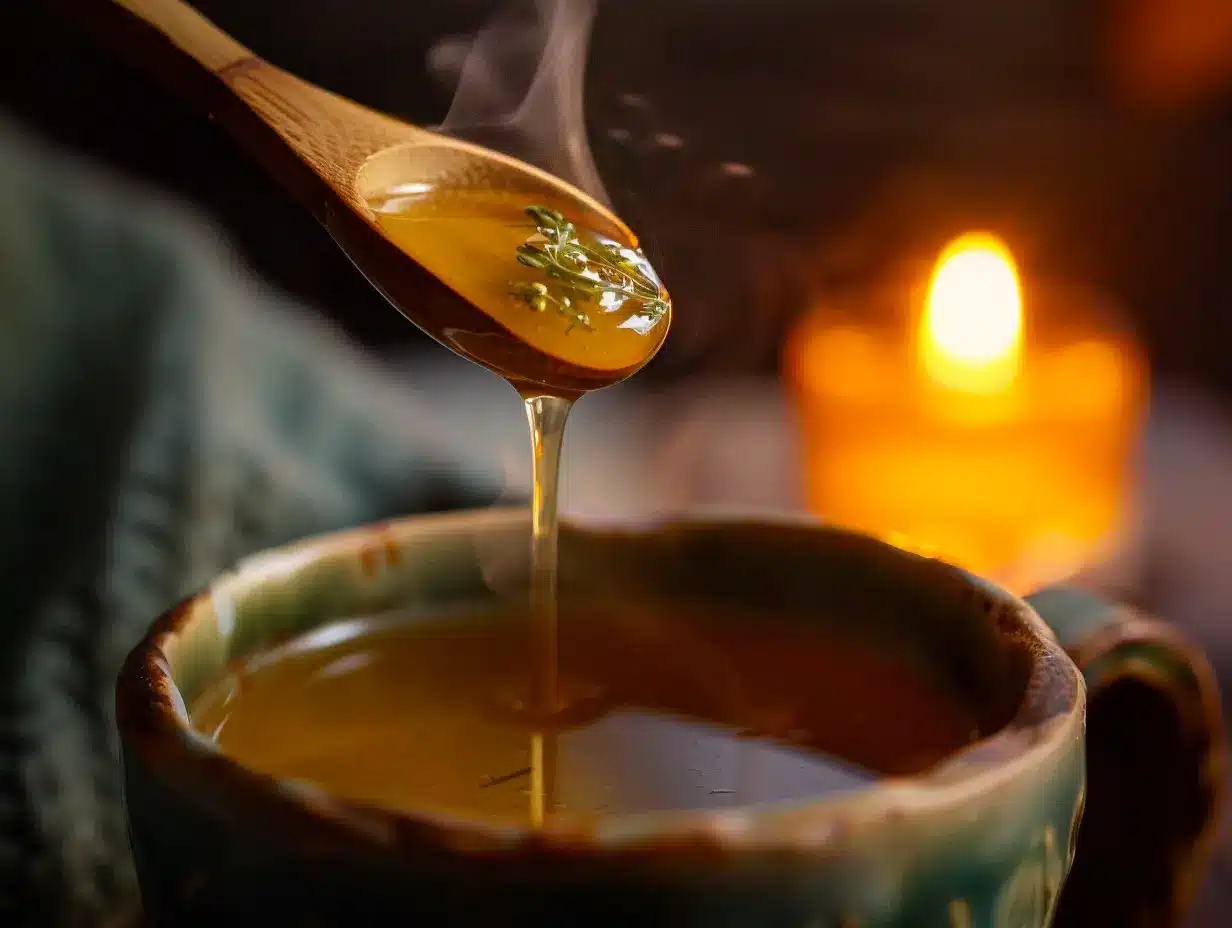
What is raw honey ? The question first hit while standing over a mug of warm lemon-ginger water one winter morning, wondering why one jar tasted floral and complex while another felt flat and just sweet. That day I’d stirred in a spoonful from a local beekeeper—the same kind of rich, unprocessed honey that shines in a soothing canaan honey drink or a vision-focused canaan honey recipe for eyesight, and it behaved differently from the squeeze bottle on my pantry shelf. What is raw honey if not that direct hive-to-kitchen connection? The raw honey dissolved slowly, leaving tiny crystals that caught the light and a deep, almost wild flavor that reminded me this wasn’t just sugar.
As that mug became part of my daily reset, “what is raw honey” stopped being an abstract label and turned into a question about how much of the hive’s natural goodness we keep—or lose—by the time honey hits the table. Raw honey is typically strained but not highly heated or aggressively filtered, so it keeps more of its natural enzymes, pollen, and delicate aromatics than most regular supermarket jars. That’s the same logic behind your brain-support blends like the gentle honey trick recipe and the focused honey trick recipe for memory loss: you start with honey that still feels alive, then layer in herbs and spices so every sip does a little more than just sweeten.
How Raw Honey Connects to Memory and Eye Rituals
Once you understand what raw honey is, it makes sense why it shows up again and again in your memory and eyesight routines. Guides such as what honey is best for memory and what do you mix with honey to improve memory already highlight how minimally processed honeys bring antioxidants and trace compounds that support the same systems you care for with herbs and spices. When you whisk raw honey into blends like the turmeric honey memory recipe or follow the steps in what is the honey trick recipe, you’re not just making a flavored sweetener; you’re building a small ritual that respects where the honey came from and how gently it was handled on its way from hive to cup.
What Is Raw Honey Made Of and How It’s Handled
What Makes Raw Honey Different From Regular Honey
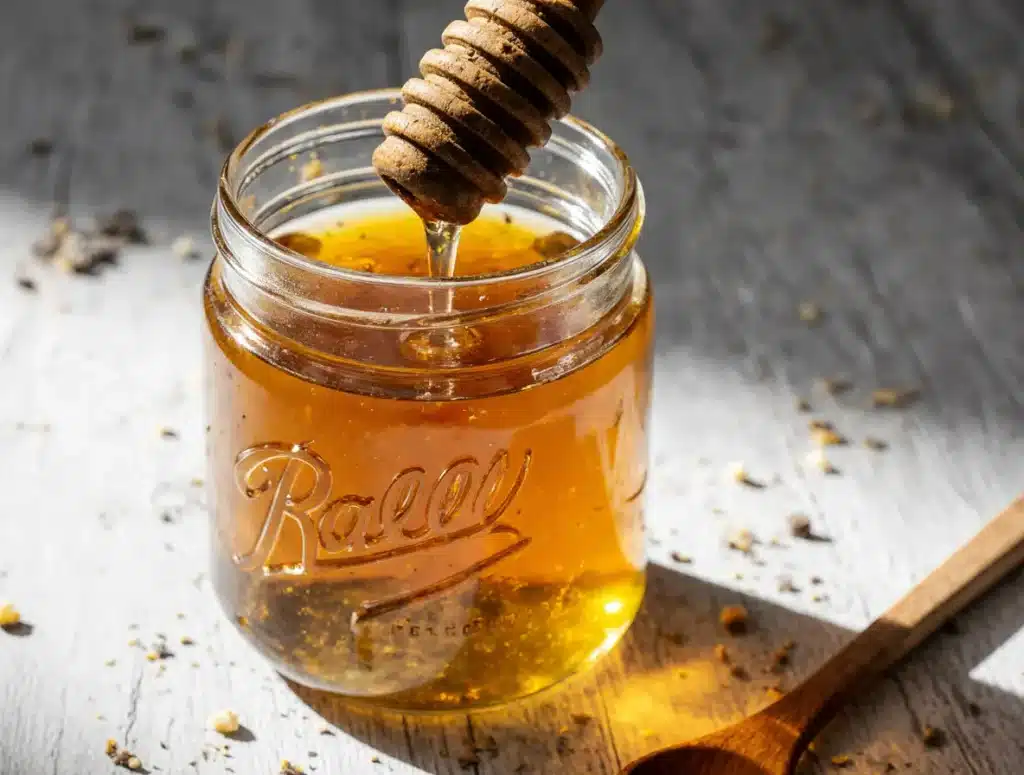
When you ask “what is raw honey,” the simplest answer is that it’s honey that has been taken from the hive, lightly strained to remove big bits of wax or debris, and then jarred without high-heat pasteurization or heavy filtration. Because beekeepers skip those extra processing steps, raw honey usually keeps more of its natural enzymes, small amounts of bee pollen, and antioxidant compounds, which can all be reduced when honey is heated and pushed through ultra-fine filters. That’s why raw varieties often look cloudy or crystallized compared with the clear squeeze bottles lining grocery shelves; those tiny crystals and specks are signs you’re closer to the original hive product, much like the rich, minimally processed honey you rely on in your canaan honey drink.
The flavor of raw honey also reflects the flowers the bees visited, so one jar might lean floral and bright while another feels deep and earthy. This floral fingerprint is part of what makes raw honey so appealing in functional blends like your canaan honey recipe for eyesight, where every sip carries a hint of the landscapes the bees worked. Just as your honey trick recipe builds on honey’s natural complexity instead of hiding it, choosing raw honey gives you a more layered base for drinks and tonics, whether you’re focusing on daily energy, gentle eye support, or simple comfort in a mug.
How Raw Honey Is Collected and Packed
Beekeepers typically remove full frames from the hive, uncap the wax, and spin out the honey in an extractor before straining it through a coarse filter to catch chunks of wax or bee parts. For raw honey, the key is what doesn’t happen next: instead of heating it to high temperatures or forcing it through fine filters designed to remove pollen and micro-particles, they jar it more or less as it is, so it slowly thickens and may crystallize over time. That gentle handling keeps more of the original structure and tiny components intact, which is why raw honey often feels denser and more aromatic when you stir it into warm water compared with very processed, shelf-stable honey.
This hive-to-jar approach aligns perfectly with the philosophy behind your honey-based wellness routines, where you respect the ingredient first and then build on it with targeted herbs and spices. When you whisk raw honey into a brain-supporting blend like the honey trick recipe for memory loss or layer it with turmeric and ginger in the turmeric honey memory recipe, you’re using honey much closer to its natural state. That choice supports the whole idea behind your guides such as what honey is best for memory and what do you mix with honey to improve memory: start with high-quality raw honey, then mix it with thoughtful partners so the final drink feels both simple and purposeful.
Benefits and Drawbacks of Raw Honey
Why So Many People Choose Raw Honey
When people ask “what is raw honey good for,” the first talking point is usually its antioxidant and enzyme content. Because raw honey skips high-heat pasteurization, it tends to keep more natural compounds like polyphenols, which research links with oxidative-stress support, plus enzymes that can be reduced in heavily processed jars. That’s one reason your wellness routines lean on raw honey in drinks like the canaan honey drink and the soothing canaan honey recipe for eyesight: you want every spoonful to bring more than just sweetness to the cup.
Raw honey also offers richer flavor and texture, which makes simple blends feel more satisfying. When you stir raw honey into warm water with lemon, turmeric, and ginger in the honey trick recipe or build it into the focused honey trick recipe for memory loss, that nuance helps each sip feel like a small ritual rather than a plain sweet drink. Guides like what honey is best for memory and what do you mix with honey to improve memory tap into the same idea: by starting with raw honey, you give your blends a more complex base for herbs, spices, and citrus to play against.
Disadvantages and Safety Notes for Raw Honey
Raw honey is not perfect, and part of understanding “what is raw honey” is knowing its drawbacks. Because it isn’t pasteurized or micro-filtered, raw honey crystallizes faster, can look cloudy, and sometimes contains tiny specks of wax or pollen, which some people mistake for spoilage even though they’re normal signs of minimal processing. It can also be more expensive than regular supermarket honey, since small-batch producers handle it more gently and in smaller volumes.
Safety matters, too: raw honey should never be given to infants under 12 months because it can contain Clostridium botulinum spores that may cause infant botulism, and people with major immune issues should talk with a healthcare provider before adding large amounts of raw honey to daily routines. For most older children and adults, moderate use in drinks such as the turmeric honey memory recipe or the eyesight-focused blend in what is the honey trick recipe fits comfortably into a broader pattern of balanced meals, smart screen habits, and regular movement—turning raw honey into one supportive piece of a bigger wellness picture.
FAQs About What Is Raw Honey
What is the difference between raw honey and regular honey?
Raw honey is strained but not highly heated or finely filtered, so it usually keeps more enzymes, bee pollen, and antioxidant compounds, and often looks cloudy or crystallized. Regular honey in big-brand squeeze bottles is typically pasteurized and micro-filtered for a clear, uniform look and slower crystallization, but that extra processing can reduce some of the natural components that make raw honey appealing in wellness blends like your canaan honey drink and canaan honey recipe for eyesight.
Is it safe to eat raw honey?
For most healthy older children and adults, raw honey is considered safe in normal food amounts and has a long history of use in foods and drinks, including brain- and eye-supporting recipes like your honey trick recipe and honey trick recipe for memory loss. However, raw honey must never be given to infants under 12 months because it can contain Clostridium botulinum spores, and people with significant immune issues or certain medical conditions should speak with a healthcare provider before using it regularly.
What are the disadvantages of raw honey?
The main disadvantages of raw honey are its tendency to crystallize more quickly, its sometimes cloudy appearance, and its higher price compared with mass-produced honey, which can turn off shoppers who expect always-liquid, clear honey. Since it is less processed, raw honey may also vary more from jar to jar in flavor and color, and it requires extra safety caution for vulnerable groups, even though it remains a strong choice in targeted blends like your turmeric honey memory recipe and the combinations highlighted in what honey is best for memory.
Is grocery store honey raw?
Most mainstream grocery store honeys are pasteurized and heavily filtered, so they are not raw even if labeled as “pure” or “natural”; those words usually only mean the jar is meant to contain 100% honey, not that it is unheated. Some supermarkets do carry explicitly labeled “raw” or “raw and unfiltered” options, but many people prefer to source raw honey from local beekeepers or specialty brands and then use it in focused wellness routines like the blends you share in what do you mix with honey to improve memory and what is the honey trick recipe so they know exactly what’s in their spoon.
Raw honey starts as the bees’ natural work—uncapped from hive frames, lightly strained, and jarred without the high heat or heavy filters that turn most supermarket honey into clear, shelf-stable liquid. That minimal handling keeps more enzymes, pollen, and antioxidants intact, which is why raw honey shows up in your wellness routines like the cozy canaan honey drink and the vision-supporting canaan honey recipe for eyesight, where every spoonful adds subtle complexity and potential benefits beyond plain sweetness.
When you choose raw honey for blends such as the simple honey trick recipe or the brain-focused honey trick recipe for memory loss, you build on a more vibrant base that pairs beautifully with turmeric, ginger, lemon, or lemon balm, just as your guides explain in what honey is best for memory and what do you mix with honey to improve memory. Raw honey brings hive-to-cup flavor and nuance to those rituals, though it crystallizes faster and costs more than processed options; pair it with common-sense safety like avoiding it for infants, and it becomes a reliable piece of daily wellness alongside smart nutrition, hydration, and movement.
Print
What Is Raw Honey: Real Hive-to-Jar Flavor and Benefits
- Total Time: total_time
- Yield: yield
Description
Simple warm raw honey drink using what is raw honey’s natural flavor, paired with lemon and ginger for daily wellness.
Ingredients
1 cup warm water (not boiling)
1-2 tsp raw honey
1 tsp fresh lemon juice
2-3 thin ginger slices
Optional: 1/4 tsp turmeric
Instructions
1. Warm water until comfortable to sip.
2. Add ginger slices (and turmeric if using); steep 5 minutes.
3. Strain solids if desired.
4. Cool slightly, stir in raw honey until dissolved.
5. Add lemon juice, sip as daily tonic.
Notes
Use true raw honey for best flavor and texture.
Never feed raw honey to infants under 12 months.
Raw honey may crystallize naturally.
- Prep Time: prep_time
- Cook Time: cook_time
- Category: category
- Method: method
- Cuisine: cuisine
Nutrition
- Serving Size: serving_size
- Calories: calories
- Sugar: sugar
- Sodium: sodium
- Fat: fat
- Saturated Fat: saturated_fat
- Unsaturated Fat: unsaturated_fat
- Trans Fat: trans_fat
- Carbohydrates: carbohydrates
- Fiber: fiber
- Protein: protein
- Cholesterol: cholesterol
for more recipes follow me in facebook and pinterest