Table of Contents
Table of Contents
How Gelatin and Intermittent Fasting Showed Up in My Kitchen
A cozy morning that changed how I saw fasting
The first time gelatin and intermittent fasting crossed paths in my kitchen, it started with a rough morning. I stood by the stove after an early workout, holding a mug and feeling lightheaded, hungry, and a little frustrated with my fasting plan. I wanted the benefits of intermittent fasting, but I also needed something that took the edge off without turning into an all-out breakfast binge. That’s when a friend mentioned her favorite gelatin diet recipe from my notes and how it helped her feel calm and steady before meals instead of desperate and snacky (you can see a version of that idea in my gelatin diet recipe. At first, gelatin and intermittent fasting felt like complete opposites. On one side, fasting usually means sticking to water, black coffee, or plain tea; on the other, gelatin is clearly food, with real protein and a few calories. Curiosity won anyway. I warmed some water, whisked in unflavored gelatin, added a squeeze of lemon, and sipped slowly. The texture felt different from my usual drinks, but the way my body responded felt surprisingly gentle and grounded. Within half an hour, that shaky “I can’t focus” hunger softened into a calmer, more manageable appetite. On strict fasting days, I still stayed with plain water or tea and saved everything else for my eating window. On flexible days, though, especially during softer “modified fasts,” using a simple 3-ingredient gelatin recipe as a tool before my first meal made the whole rhythm of the day feel more sustainable (you can try a similar 3-ingredient gelatin recipe. Over time, that little ritual helped me see that gelatin and intermittent fasting could share the same kitchen, as long as I stayed honest about what counted as a true fast and what counted as a helpful bridge toward better habits.

Why people keep talking about the gelatin trick for weight loss
As more people experiment with weight-loss routines, the phrase “gelatin trick for weight loss” keeps showing up in conversations about gelatin and intermittent fasting. The idea is simple: you use a light, protein-rich gelatin drink before or between meals to feel fuller on fewer calories. Many readers start by learning what is the gelatin trick recipe and then adjust it to their own schedule (you can read more in my post what is the gelatin trick recipe. whether that means sipping it right before breaking a fast or using it later in the eating window when cravings usually hit hardest. Because gelatin carries protein and some calories, it does break a strict, no-calorie fast; there’s no way around that if you’re following a purist style of intermittent fasting. However, lots of real-life fasting plans focus more on blood sugar control, appetite management, and long-term consistency than on never letting a calorie touch your lips during certain hours. In those more flexible approaches, a small serving from a gentle gelatin drink for metabolism boost can still fit into a broader intermittent fasting lifestyle, especially when it replaces heavier snacks or sugary treats (you’ll find a full gelatin drink for metabolism boost version. For some people, especially those on structured medical or bariatric paths, a soothing bariatric gelatin recipe or even a warm bariatric seed tea recipe can make fasting-adjacent days feel kinder on the body while still respecting doctor-guided protein and hydration goals see my bariatric gelatin recipe. and bariatric seed tea recipe. The real key lies in intention and timing: if you treat gelatin as a thoughtful tool during your eating window instead of a loophole during strict fasting hours, gelatin and intermittent fasting can work together instead of fighting each other.
How Gelatin and Intermittent Fasting Work Together
Understanding how gelatin fits into intermittent fasting
When people talk about gelatin and intermittent fasting, they usually focus on two things: hunger control and whether gelatin actually breaks the fast. Research and expert commentary show that gelatin can help you feel fuller for a short time, which may lead to lower calorie intake at meals. The popular “gelatin trick for weight loss” uses a warm or chilled gelatin drink about 30 minutes before eating, so your stomach feels more satisfied and you feel less tempted to overeat when your eating window opens. From a strict fasting point of view, any gelatin with protein and calories breaks a pure fast, because your body receives energy and amino acids, and digestion switches on again. Intermittent fasting experts, however, often separate a clean, water-only style from more flexible patterns that still deliver benefits even with small, low-calorie additions. In those flexible routines, people pair gelatin and intermittent fasting by saving gelatin for the eating window or for modified “fasting-mimicking” periods, rather than sipping it during a hard zero-calorie block. If you want a clear, structured version of this idea, you can start with a simple gelatin trick recipe to lose weight from your own kitchen notes. and then place it just before your first meal instead of during the deepest part of the fast.
Benefits and limits of the gelatin trick for weight loss
The biggest strength of combining gelatin and intermittent fasting lies in appetite control, not magic fat melting. Studies suggest that gelatin can temporarily reduce hunger and help people naturally eat less at the next meal, especially when used as part of a higher-protein pattern. That’s why the gelatin trick for weight loss often appears in stories where someone uses a small serving of bloomed, dissolved gelatin before lunch or dinner and then feels satisfied with fewer calories. On the other hand, long-term evidence shows that gelatin alone does not guarantee better weight maintenance, so it works best as one tool inside a bigger lifestyle that includes balanced meals, movement, and realistic fasting windows. When you think about gelatin and intermittent fasting this way, you see that the trick supports habits instead of replacing them. The protein may help you stay full, the routine may help you stay consistent, and the lower calorie density can support a calorie deficit over time. For many readers, pairing a pre-meal drink from a gelatin diet recipe. with a calmer eating window or using a light gelatin drink for metabolism boost between meals fits more comfortably into daily life than rigid all-or-nothing plans.
Practical Ways to Use Gelatin with Intermittent Fasting
Simple ways to fit gelatin into an intermittent fasting routine
Once you understand how gelatin and intermittent fasting interact, the next step is making it work in real life. Most people who use the gelatin trick for weight loss take a small serving 10–30 minutes before a meal, especially before the first or largest meal in their eating window. This timing lets the gelatin absorb water, swell in the stomach, and gently increase fullness so you feel satisfied with less food. A basic routine might look like this: finish your strict fasting hours with water, black coffee, or tea; then, as your eating window opens, sip a warm or chilled gelatin drink, pause for a few minutes, and enjoy a balanced, protein-forward meal. If you like having a set recipe to follow, you can test a very simple gelatin diet recipe from your own collection and adjust the portion depending on your hunger and daily calorie goals. Many readers also like to alternate gelatin-based drinks with other low-calorie wellness sips so the routine stays interesting. For example, on days when you want something more playful and social in the evening, you might enjoy a fun liquid maria juana drink recipe during your eating window while using a lighter gelatin trick recipe to lose weight earlier in the day for hunger control. This mix keeps fasting from feeling boring while still honoring your main weight-loss goals.
Variations for different goals and sensitivities
Gelatin and intermittent fasting do not look the same for everyone, so it helps to tailor the details. People with very sensitive digestion or those recovering from bariatric procedures often prefer softer, gentler recipes that focus on easy protein and hydration rather than strong flavors. In those situations, a soothing bariatric gelatin recipe can work inside the eating window as a high-protein snack that feels light but steady, while a warm bariatric seed tea recipe can support hydration and comfort between meals. Others want a more direct metabolism nudge or appetite reset, so they lean toward a gelatin drink for metabolism boost built with hot water, a bit of citrus, and maybe a trace of salt, always kept within their eating hours to avoid confusing a true fast. If your main focus is learning how to use gelatin to curb appetite, starting with a very simple 3-ingredient gelatin recipe is often enough: plain gelatin, water, and a tiny bit of flavor, repeated consistently before your key meals. You can then fine-tune sweetness, temperature, and serving size based on how your body responds. The important part is keeping your boundaries clear: save gelatin for the eating window, rely on zero-calorie drinks during strict fasting, and treat any flavored jelly or dessert-style gelatin as food rather than a “free” fasting loophole.
FAQs About Gelatin and Intermittent Fasting
Can you eat gelatin while fasting?
From a strict perspective, no. Plain gelatin contains protein and calories, so it breaks a true zero-calorie fast, especially if your goal includes deep autophagy or a clean “water-only” window. However, many people who use intermittent fasting mainly for weight loss follow a more flexible style. In that case, they often treat gelatin as a tool during the eating window or during “dirty” or modified fasts, not during the strictest fasting hours. A practical approach is to save your favorite gelatin diet recipe or 3-ingredient gelatin recipe for just before meals in your eating window, and rely on water, black coffee, or plain tea during official fasting blocks.
What’s the gelatin trick for weight loss?
The gelatin trick for weight loss means using a small serving of dissolved gelatin before a meal so you feel full on fewer calories. Most versions suggest blooming plain gelatin in water, dissolving it in hot liquid, and drinking it 10–30 minutes before eating. The volume and protein help your stomach feel satisfied, which can make it easier to choose smaller portions and stick to your intermittent fasting plan. You can try this idea with your own gelatin trick recipe to lose weight or a gentle gelatin drink for metabolism boost, keeping both in the eating window to protect the benefits of your fasting hours.
Does gelatin break a fast?
Yes, gelatin technically breaks a fast because it supplies amino acids and calories that switch digestion back on. For strict clean fasting aimed at autophagy or very low insulin stimulation, even a small amount of gelatin counts as breaking the fast, just as bone broth or creamy drinks would. That said, many intermittent fasting plans allow a “dirty fast” or modified routine, where a few calories are acceptable if they help someone stay consistent and maintain a calorie deficit overall. If you choose this softer style, be honest with yourself: use recipes like your bariatric gelatin recipe or bariatric seed tea recipe inside your eating window or only during clearly defined modified-fasting phases, not during clean, no-calorie blocks.
Can I eat jello while intermittent fasting?
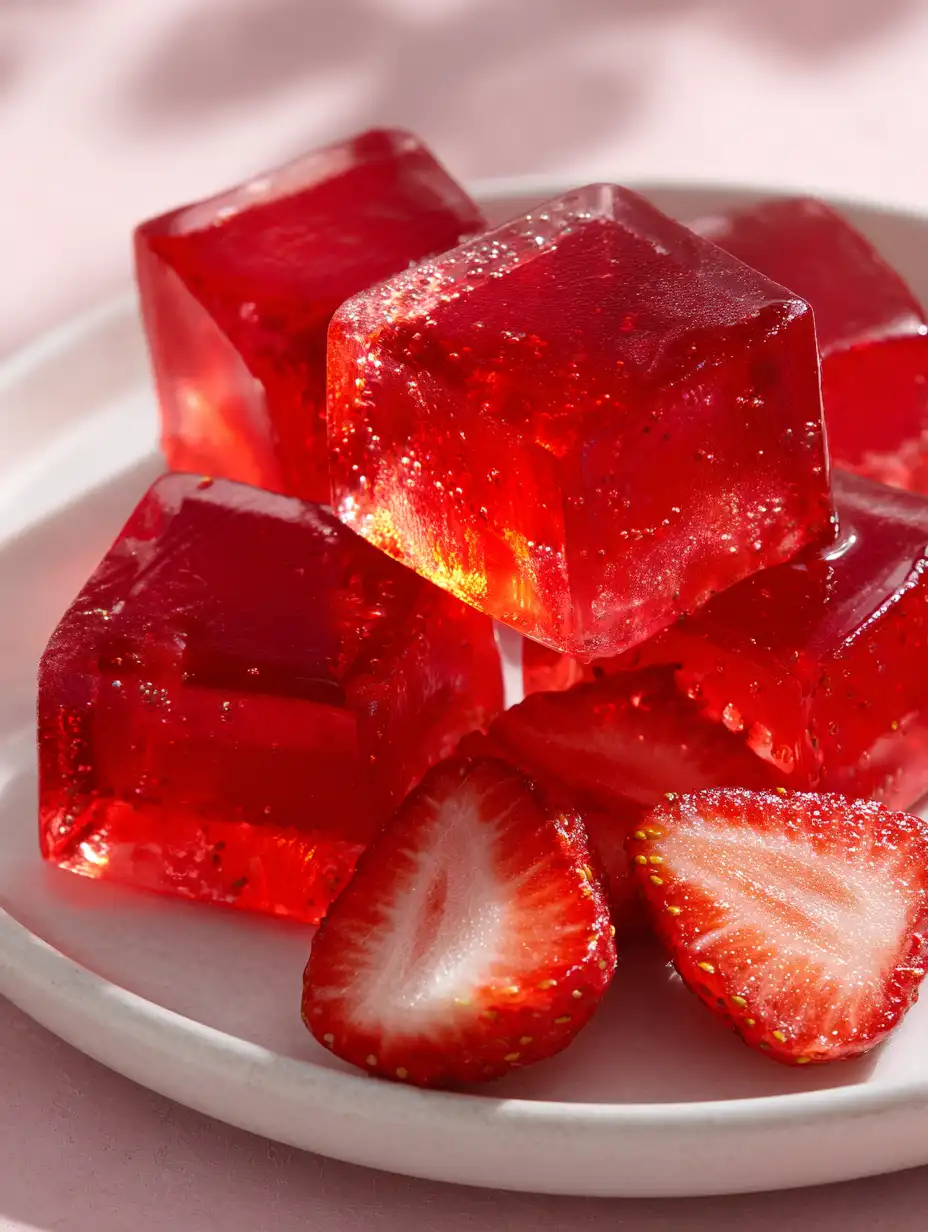
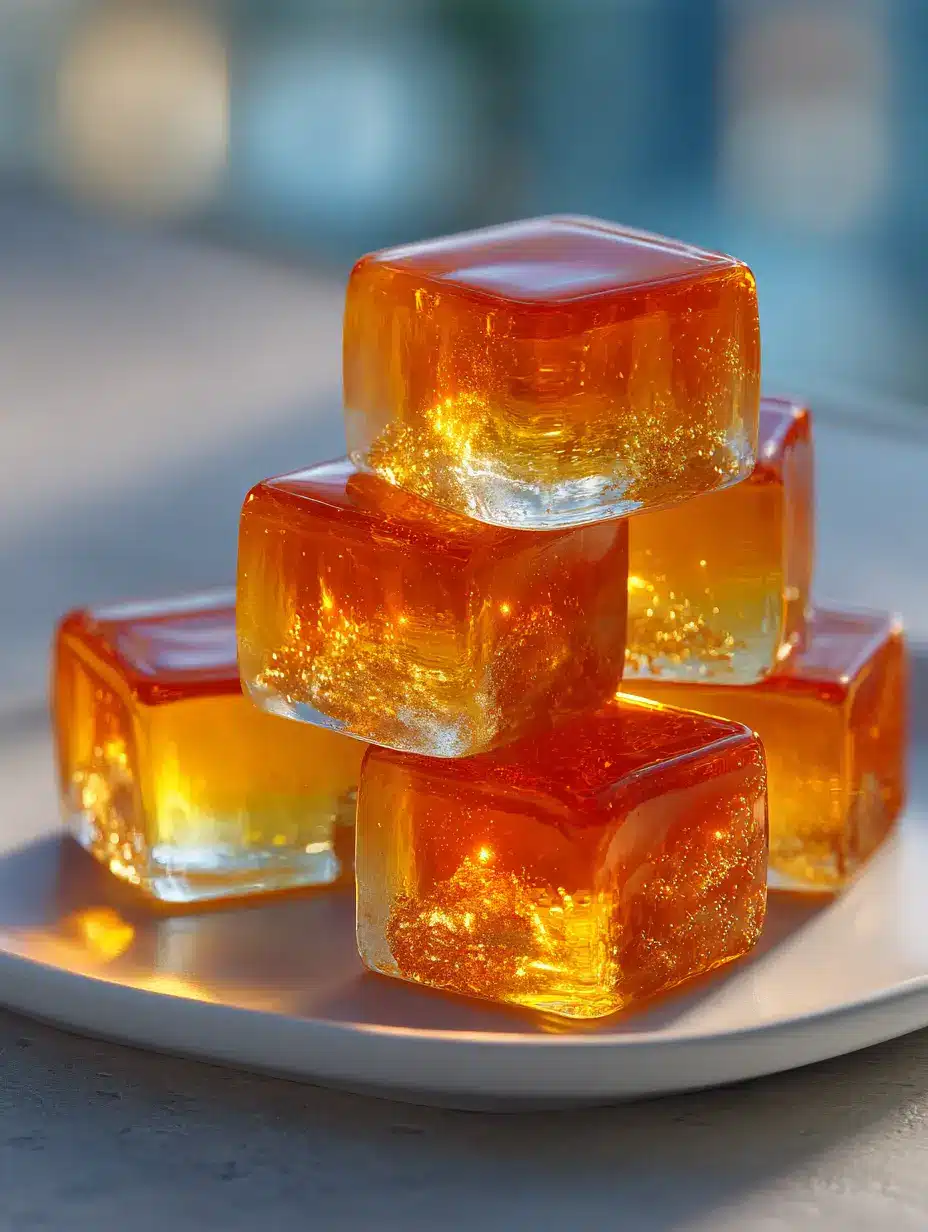
You can eat jello while living an intermittent fasting lifestyle, but it does not belong in a strict fasting window. Even sugar-free jello or homemade gelatin cubes still contain some calories and, often, sweeteners that may nudge hunger and insulin. Community discussions and expert guides agree that jello of any kind is food and should be treated that way: enjoy it in your eating window, not during the hours you call a true fast. A smart strategy is to keep fun flavors—like a fruity twist inspired by your liquid maria juana drink recipe—for dessert or snacks when your window is open, while relying on simpler gelatin-based drinks like your gelatin diet recipe earlier in the window to tame appetite.
Conclusion: Making Gelatin and Intermittent Fasting Work for You
Gelatin and intermittent fasting can work together when you use them with clear intention and honest boundaries. The key is remembering that any gelatin—from a simple 3-ingredient gelatin recipe to a richer bariatric gelatin recipe—counts as food, so it belongs in your eating window or in a deliberately “dirty” or modified fast, not inside a strict zero-calorie block. When you treat the gelatin trick for weight loss as a supportive habit instead of a loophole, it can help you manage appetite, feel calmer before meals, and maintain a realistic calorie deficit over time. Pairing a light gelatin drink for metabolism boost with balanced meals, steady movement, and, when needed, gentle options like bariatric seed tea creates a routine that feels kind to your body instead of extreme. In the end, the most effective plan is the one you can repeat: use gelatin as a simple kitchen ally inside your intermittent fasting lifestyle, listen to your own hunger cues, and adjust portions, timing, and recipes until the rhythm fits your real life.