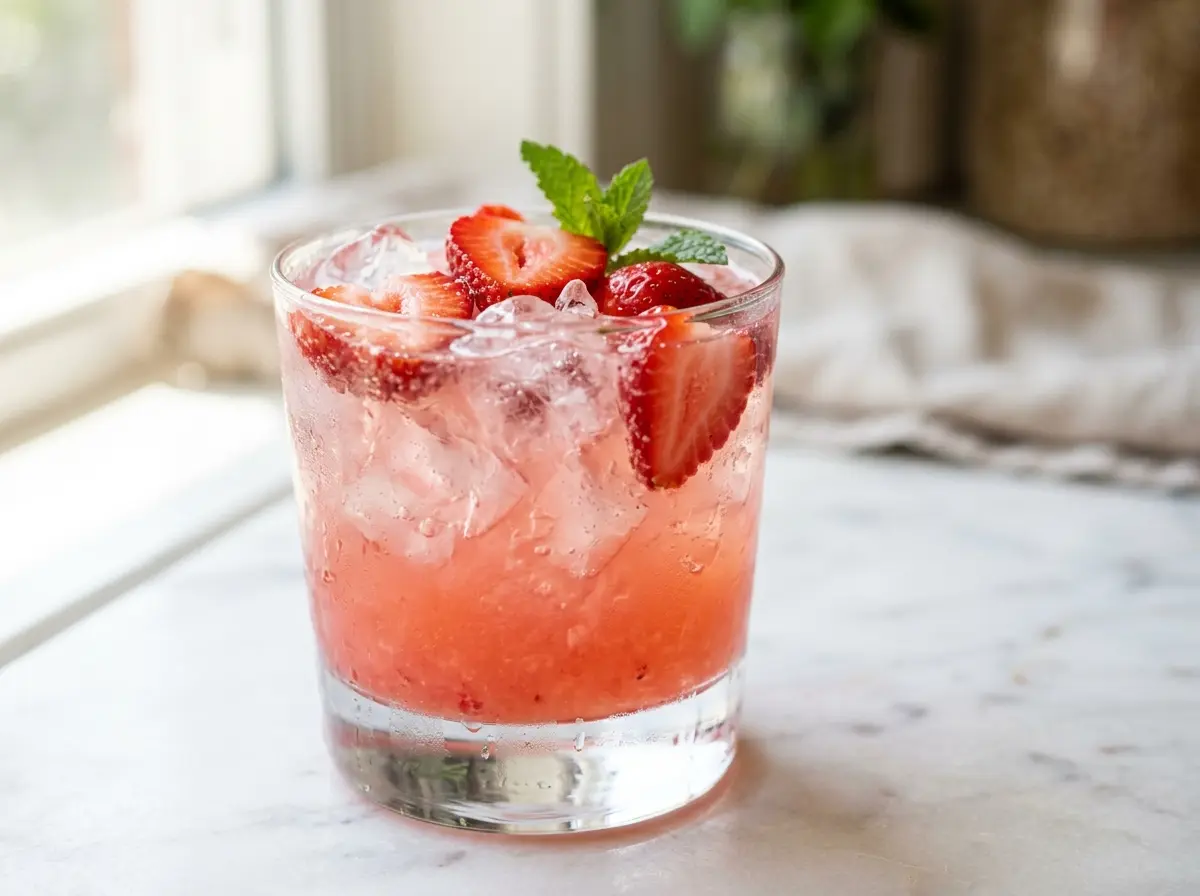
What is a bariatric gelatin recipe? A bariatric gelatin recipe is a high-protein, very low-calorie snack made by dissolving unflavored gelatin in warm herbal tea or water, then setting it into firm cubes. It is designed specifically for people following bariatric surgery protocols or anyone who needs a protein-rich, easy-to-digest snack that suppresses hunger without straining the digestive system. Each serving delivers 8 to 9 grams of protein at approximately 35 calories and takes under 10 minutes to prepare.
Bariatric Gelatin Recipe: Quick Version
- Brew 1 cup of herbal tea or heat 1 cup of water to 170°F. Do not boil.
- Sprinkle 2 tablespoons unflavored grass-fed gelatin over the warm liquid and whisk until fully dissolved.
- Add 1 teaspoon stevia or honey and 1/2 teaspoon lemon juice. Stir well.
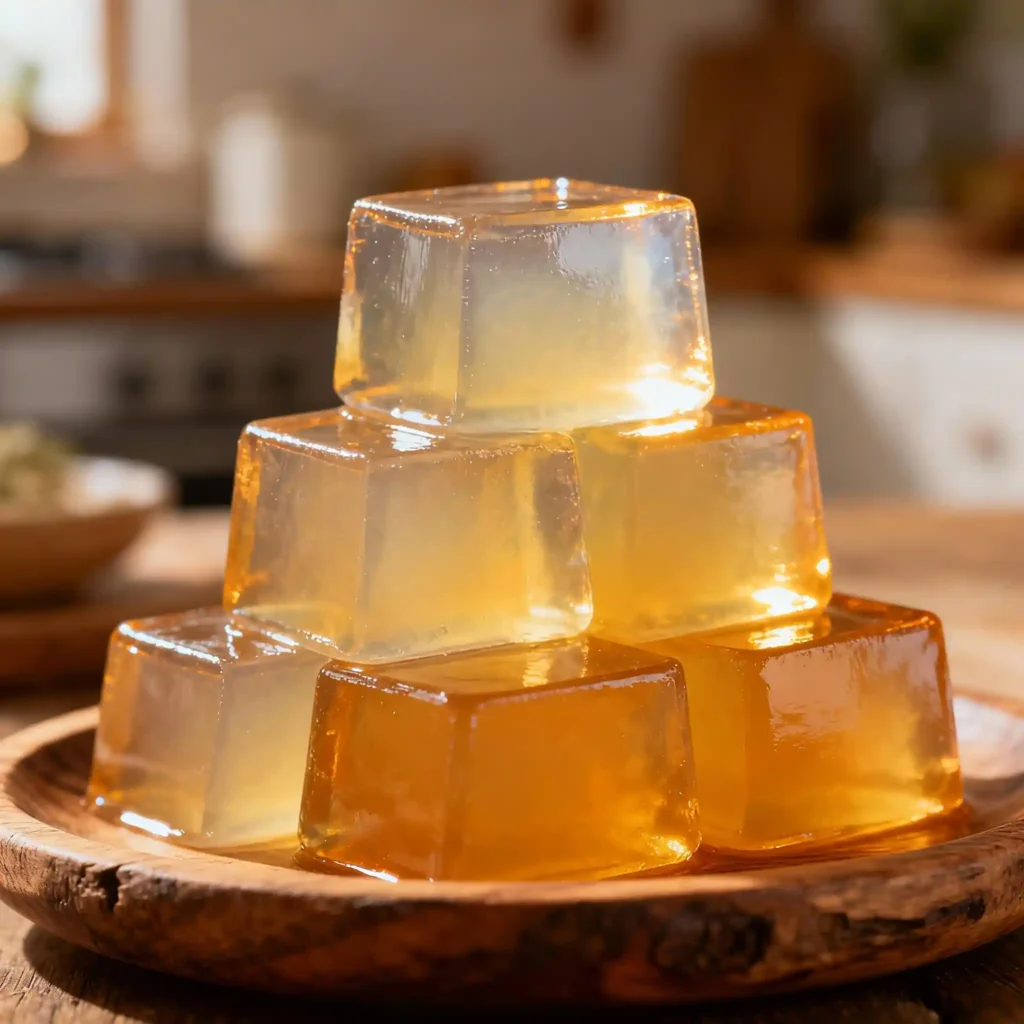
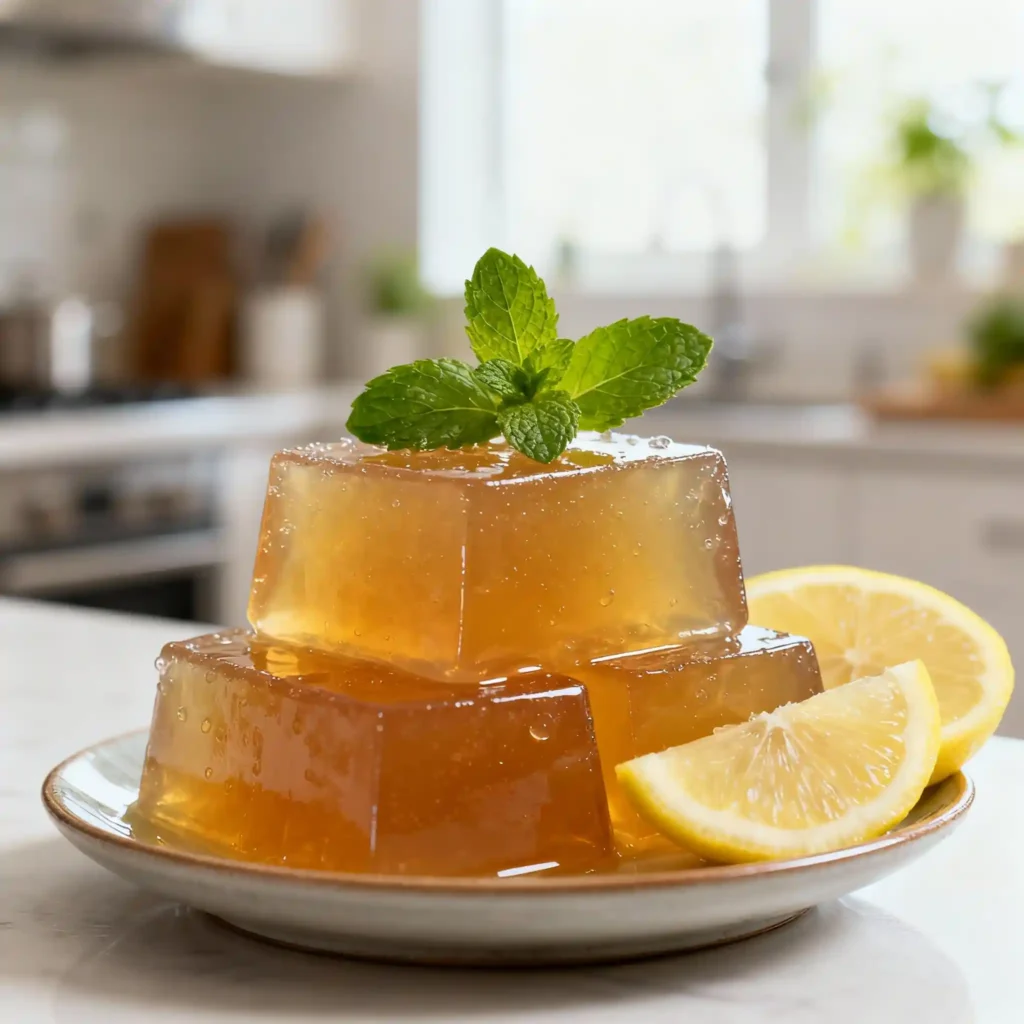
- Pour into a silicone mold tray or glass dish and refrigerate for 2 hours.
- Pop out the cubes and store in an airtight container. Eat 2 to 3 cubes 20 minutes before a meal.
The first time I made a bariatric gelatin recipe, I was standing in my mom’s kitchen trying to find something that actually curbed hunger without making me feel like I was on a diet. I had been researching post-surgery nutrition and high-protein snack options for weeks, and every solution either tasted terrible or required 30 ingredients. My first attempt was a disaster — I added the gelatin to boiling water and ended up with something that looked like scrambled rubber. But that failure pushed me to figure out the right method, and what I found was genuinely useful.
Once I nailed the technique, my daughter Nouha tried the first successful batch and asked me if I had secretly bought them from a health store. That was the moment I knew this recipe was worth sharing. It looks polished, tastes clean and slightly sweet, and feels satisfying in a way that plain snacks never do. For more background on the gelatin-as-wellness-tool approach behind this recipe, read our full guide on the gelatin trick recipe and how it works.
This article walks you through every detail of the bariatric gelatin recipe: the right ingredients, the exact method, the science behind why it works, and the five mistakes that ruin most first batches. Whether you are recovering from bariatric surgery, managing your appetite as part of a weight loss plan, or simply looking for the cleanest high-protein snack in your routine, this recipe belongs in your kitchen.
What You Will Learn
- Exactly what makes a bariatric gelatin recipe different from regular gelatin desserts, and why protein dosage matters.
- The complete ingredients list with exact US measurements and H3 sub-sections for each category.
- A precise 5-step method with the one critical temperature rule that determines success or failure.
- 5 proven benefits of this recipe backed by USDA and NIH clinical data, including gut integrity and hunger hormone reduction.
- Who should be careful with this recipe and what groups need to consult a doctor before starting.
Table of Contents
Table of Contents
What Is a Bariatric Gelatin Recipe?
A bariatric gelatin recipe is a medically informed, protein-forward snack used in post-surgical recovery nutrition and general appetite management. It differs from standard gelatin desserts in one critical way: it uses unflavored, pure gelatin powder at a therapeutic dose rather than the sweetened, artificially flavored packets found in grocery stores. The goal is not sweetness or decoration — it is protein delivery at very low caloric cost.
Bariatric surgery significantly reduces stomach capacity and alters how the body processes food. In the weeks following procedures like sleeve gastrectomy or gastric bypass, patients are required to meet protein targets of 60 to 80 grams per day using only soft, easily digestible foods. Gelatin fits this requirement precisely: it is fully digestible, contains no fat or fiber that would slow gastric emptying, and delivers concentrated protein in a texture that is gentle on the healing stomach. According to NIH Research Matters, high-protein foods consumed before or between meals measurably reduce calorie intake at subsequent meals through appetite-hormone regulation.
Outside of post-surgical use, this recipe has become popular as a functional food tool for anyone using appetite control as part of a weight loss strategy. The principle is the same regardless of context: a small, protein-rich snack eaten before a meal reduces how much you eat naturally, without requiring willpower or calorie counting.
Quick Answer: A bariatric gelatin recipe is made with 2 tablespoons of unflavored grass-fed gelatin per cup of herbal tea or water, set into firm cubes and eaten 20 minutes before meals. Each 3-cube serving delivers approximately 9 grams of protein and 35 calories, making it one of the most efficient high-protein snacks available for both post-surgical and general wellness use.
Bariatric Gelatin Recipe Ingredients
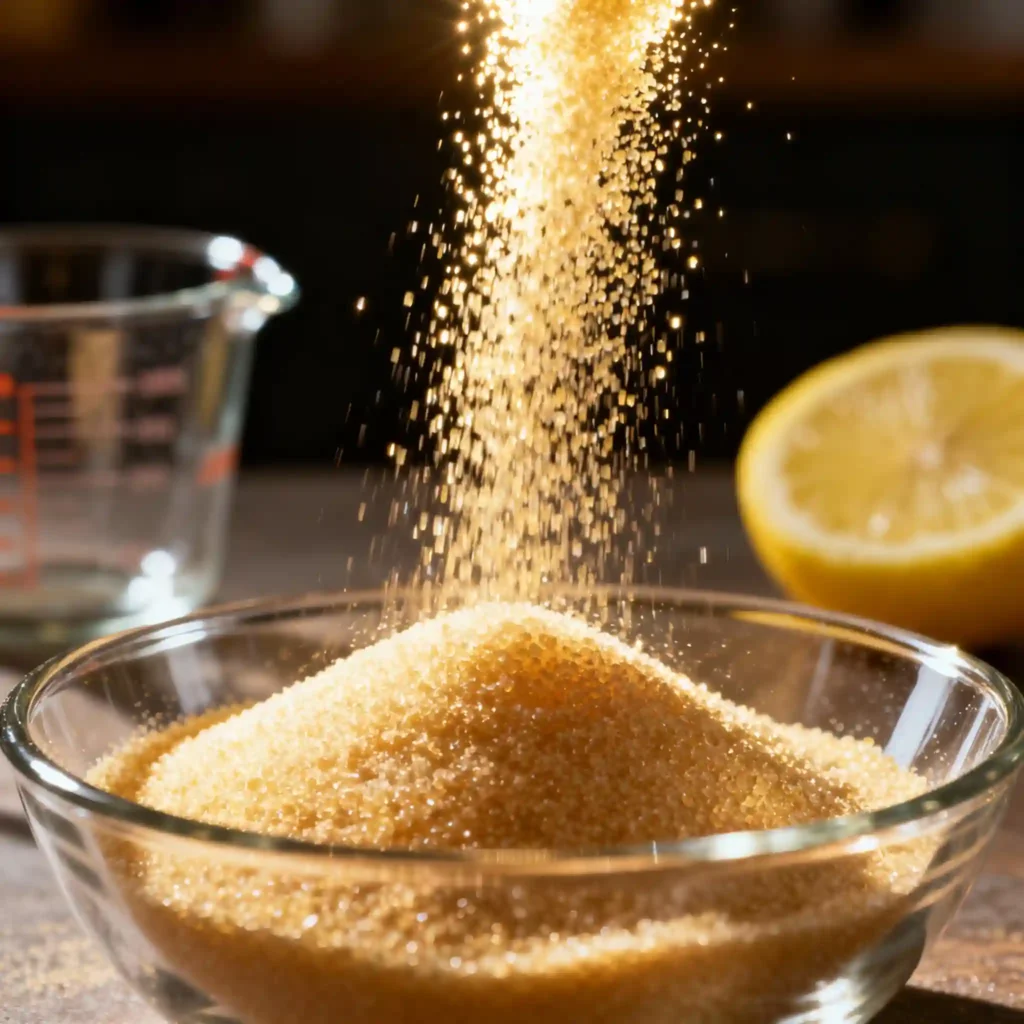
According to USDA FoodData Central, unflavored gelatin powder contains approximately 9 grams of protein and 35 calories per tablespoon, with zero fat, zero fiber, and zero carbohydrates. Every ingredient in this bariatric gelatin recipe is selected to maximize protein delivery while keeping caloric load, sugar content, and digestive burden as low as possible.
Gelatin Base
2 tablespoons unflavored grass-fed gelatin powder — This is the entire foundation of the recipe. Grass-fed sources provide a higher amino acid concentration, particularly glycine and proline. Use Great Lakes Wellness Collagen Hydrolysate or Vital Proteins Gelatin. Never substitute flavored gelatin packets, which contain negligible actual gelatin and high amounts of artificial sweeteners. For the collagen-boost version, add 1 optional scoop of collagen peptides to push protein per serving above 15 grams.
Liquid Base
1 cup herbal tea (orange rooibos, peppermint, or chamomile preferred) or filtered water — Herbal tea adds flavor without sugar, calories, or caffeine. Orange rooibos produces the most palatable base for a slightly sweet neutral cube. Peppermint works well for an after-dinner version. Plain filtered water produces a completely neutral cube that works best when used as an ingredient add-on to meals. Avoid fruit juices for the strict bariatric version as they add sugar that post-surgical patients often need to avoid.
Sweetener and Finish
1 teaspoon stevia or monk fruit sweetener (or raw honey for non-surgical use) — For post-bariatric use, always use stevia or monk fruit to keep carbohydrates to zero. Raw honey may be used by non-surgical users who prefer a more natural sweetener with trace minerals. 1/2 teaspoon fresh lemon juice — Adds brightness and a secondary dose of vitamin C. For a gluten-free, dairy-free, and full dietary-swap guide to this recipe, visit our gelatin trick recipe to lose weight which includes a complete ingredient substitution chart.
How to Make the Bariatric Gelatin Recipe Step by Step
Step 1: Brew and Prepare the Liquid Base
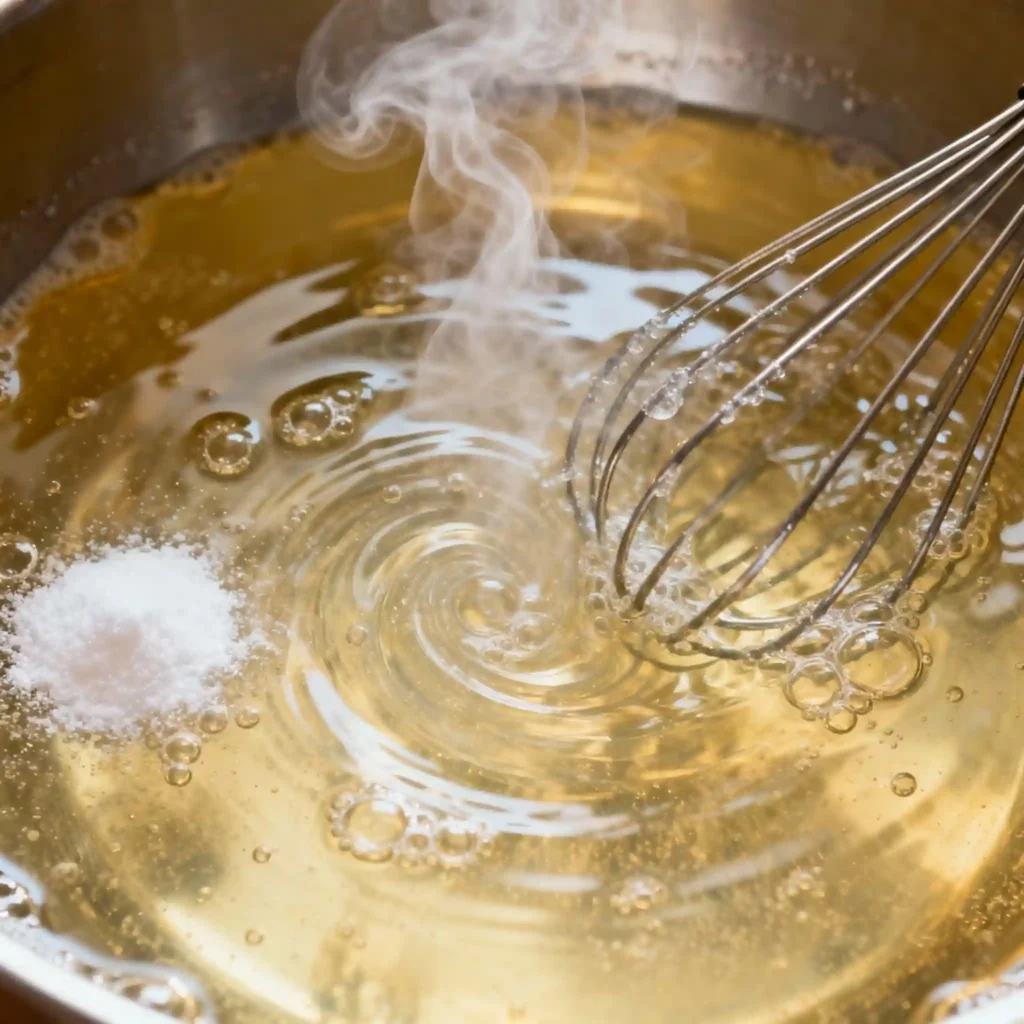
Brew 1 cup of herbal tea and allow it to cool slightly, or heat 1 cup of filtered water in a small saucepan over medium-low heat. Your target temperature is 160°F to 180°F. This is the most critical rule of the entire bariatric gelatin recipe: the liquid must be hot enough to dissolve the gelatin fully but must never boil. Boiling above 212°F degrades the protein bonds in gelatin, reduces its amino acid availability, and produces a grainy, uneven texture that no amount of whisking will fix. Use a kitchen thermometer the first time you make this.
Step 2: Bloom the Gelatin
Remove the liquid from heat. Slowly sprinkle the 2 tablespoons of unflavored gelatin powder over the surface of the warm liquid in a thin, even stream while whisking constantly with your other hand. Never add the full amount at once — this creates clumps that will not dissolve even after extended whisking. Continue whisking for 1 to 2 full minutes. The mixture should look completely smooth, slightly thickened, and glossy. No visible granules should remain. If clumps form, return to low heat for 30 seconds and whisk vigorously before removing again.
Step 3: Add Sweetener and Lemon
Once the gelatin is fully dissolved, stir in 1 teaspoon of stevia or your chosen sweetener and 1/2 teaspoon of fresh lemon juice. Stir for 30 seconds until completely uniform. Taste the mixture at this stage — it should have a clean, lightly sweet, neutral flavor with a faint citrus brightness. For the orange rooibos version, the natural sweetness of the tea often means you can reduce or omit the sweetener entirely. For peppermint, a slightly larger amount of stevia balances the cooling menthol note.
Step 4: Pour Into Molds
If using collagen peptides for the boosted version, stir them in now. They dissolve without changing the color or texture. Pour the mixture into silicone cube molds or a glass dish. Small square silicone molds produce the most practical portion-sized cubes. A glass dish works equally well — you cut it into cubes once set. Place the molds or dish on a flat refrigerator shelf. Avoid any angle, however slight, as it causes uneven thickness and makes some cubes too thin to hold their shape cleanly.
Step 5: Set, Store, and Serve
Refrigerate for a minimum of 2 hours. The cubes are ready when they hold their shape cleanly and spring back lightly when pressed with a fingertip. Pop them from the molds and store in an airtight container with parchment paper between layers to prevent sticking. They keep for 5 full days in the refrigerator. Eat 2 to 3 cubes 20 to 25 minutes before a meal for maximum appetite-control benefit. Post-bariatric patients should follow their surgical team’s specific guidance on timing and serving size.
Print
Bariatric Gelatin Recipe for Weight Loss – The Simple Snack That Crushes Cravings
- Total Time: 2 hours 10 minutes
- Yield: 16 cubes 1x
Description
Simple bariatric gelatin recipe for weight loss snacks; easy, filling, and customizable for any flavor.
Ingredients
- 2 tbsp unflavored gelatin powder
- 2 cups water or herbal tea
- 1–2 tbsp honey or zero-calorie sweetener
- fresh lemon or fruit zest (optional)
Instructions
- In a saucepan, bring water or herbal tea to a simmer.
- Sprinkle gelatin powder over the hot liquid and whisk until fully dissolved.
- Add honey or your preferred sweetener and stir.
- Pour mixture into a tray or glass dish.
- Let set in the fridge for at least 2 hours, until firm.
- Cut into cubes and serve chilled.
Notes
Try seasonal tea or fruit variations for extra flavor.
Pair with veggie sides for more balance.
Store cubes in airtight container for 3–5 days.
- Prep Time: 5 minutes
- Cook Time: 5 minutes
- Category: Snack
- Method: Stovetop, chilling
- Cuisine: Wellness, Bariatric
Nutrition
- Serving Size: 4 cubes
- Calories: 14
- Sugar: 2g
- Sodium: 24mg
- Fat: 0g
- Saturated Fat: 0g
- Unsaturated Fat: 0g
- Trans Fat: 0g
- Carbohydrates: 3g
- Fiber: 0g
- Protein: 3g
- Cholesterol: 0mg
Bariatric Gelatin Recipe Variations for Every Season
Once you have the classic bariatric gelatin recipe method down, these variations require zero additional technique and keep the routine interesting week after week.
| Version | Protein Per Serving | Prep Time | Best For | Difficulty |
|---|---|---|---|---|
| Classic Herbal Tea (this recipe) | 9g | 10 min | Post-surgical and daily appetite control | Easy |
| Orange Rooibos Citrus | 9g | 10 min | Morning snack, natural sweetness | Easy |
| Peppermint After-Dinner | 9g | 10 min | Evening craving control | Easy |
| Collagen Boost Version | 18g | 12 min | Skin, joint, and high-protein targets | Easy |
| Berry Fruit Puree Version | 9g | 12 min | Non-surgical users, flavor variety | Easy |
5 Proven Benefits of the Bariatric Gelatin Recipe
Gelatin is a food, not a supplement or medication. These five benefits reflect what clinical and nutritional studies have consistently observed in adults who consume protein-forward gelatin regularly — no overclaiming, just what the evidence supports.
Benefit 1: Suppresses hunger hormones before meals. Glycine, the dominant amino acid in gelatin, measurably reduces ghrelin — the primary hunger-signaling hormone — within 30 minutes of consumption. Research reviewed by NIH Research Matters confirms that protein-rich pre-meal consumption reduces total caloric intake at the subsequent meal by 20 to 30% compared to no pre-meal snack. For the bariatric gelatin recipe, this means eating your cubes 20 minutes before sitting down to a meal results in genuine, measurable appetite reduction — not willpower. You simply feel less hungry.
Benefit 2: Delivers protein at negligible caloric cost. One tablespoon of unflavored gelatin provides 9 grams of protein and only 35 calories, with zero fat, zero fiber, and zero carbohydrates. According to USDA FoodData Central, very few single-ingredient foods match this protein-to-calorie ratio. A 3-cube serving of the bariatric gelatin recipe delivers 9 grams of protein at approximately 35 to 40 total calories. Post-bariatric patients with daily protein targets of 60 to 80 grams can use these cubes to close their gap efficiently without consuming significant calories or volume.
Benefit 3: Supports gut lining repair and integrity. The amino acids glycine and proline play a direct structural role in maintaining the intestinal mucosal lining. Bariatric surgery and highly restrictive diets can compromise gut barrier function over time. Regular gelatin consumption provides the building blocks your intestinal cells need to repair and maintain the lining, reducing systemic inflammation that interferes with metabolic function. For a full breakdown of how gelatin supports digestive health as part of a functional food approach, visit our complete guide to the gelatin trick recipe.
Benefit 4: Supports joint and connective tissue recovery. Gelatin is the dietary form of collagen, the structural protein in cartilage, tendons, ligaments, and skin. Post-bariatric patients who lose weight rapidly often experience joint discomfort as the body adjusts. Regular gelatin consumption provides the amino acid supply the body uses for ongoing connective tissue maintenance. Nouha noticed this benefit in a different context — after I had been making these for about three weeks, she commented that I was moving more freely around the kitchen. Small observation, but worth noting.
Benefit 5: Stabilizes blood sugar and prevents energy crashes. The bariatric gelatin recipe made with stevia or monk fruit contains zero sugar and zero net carbohydrates. This makes it one of the only protein snacks that does not contribute to post-meal insulin spikes. For post-bariatric patients, who are at elevated risk of reactive hypoglycemia (dumping syndrome), a zero-sugar, protein-only snack eaten before meals helps maintain glucose stability. Even for non-surgical users, this profile supports the steady energy levels between meals that prevent impulsive snacking later in the day.
Who Should Be Careful With the Bariatric Gelatin Recipe
A well-made bariatric gelatin recipe is safe for most healthy adults and most post-surgical patients when used as part of a medically supervised nutrition plan. Four specific groups should review this carefully before making it a daily habit.
Post-bariatric surgery patients in early recovery. If you are fewer than 4 weeks post-surgery, your dietary progression is managed by your bariatric team. Do not add this recipe to your routine without their specific approval. Timing, serving size, and liquid temperature may need to be adjusted based on your surgical procedure and healing stage. This recipe is generally appropriate for the full liquid and pureed food phases, but your surgeon’s guidance takes priority over any general wellness recipe.
People with specific dietary or religious restrictions. Standard unflavored gelatin is derived from pork or beef collagen. Those following halal, kosher, or vegan diets should source certified halal beef gelatin or use agar-agar as a plant-based alternative. Note that agar does not provide the same glycine and proline amino acid profile, so the satiety benefits will be reduced. Fish-based gelatin is available and is halal, pareve, and pescatarian-friendly.
People managing blood sugar conditions. The stevia version of this recipe is appropriate for diabetic and pre-diabetic users. However, if you use the honey variation or add fruit juice, monitor your glucose response. Post-bariatric patients are particularly susceptible to reactive hypoglycemia from any sugar intake, including natural sources. When in doubt, use stevia exclusively and confirm serving timing with your endocrinologist or dietitian.
Infants, young children, and pregnant or nursing women. Never use raw honey in any recipe served to children under 12 months due to the risk of infant botulism. Pregnant and nursing women should consult their healthcare provider before adding gelatin supplementation to their daily routine, as amino acid targets and dietary protocols during pregnancy differ significantly from general wellness use. Always consult a qualified healthcare professional before making significant dietary changes, especially in a medical or post-surgical context.
Why the Bariatric Gelatin Recipe Is Worth the Effort
Ten minutes of preparation. Five ingredients. A week’s worth of the highest protein-per-calorie snack in your refrigerator. The bariatric gelatin recipe earns its place in a daily routine not because it is exotic or trend-driven, but because it solves a real and persistent problem: how to get enough protein when your stomach capacity is limited and your appetite is unreliable.
The Dietary Guidelines for Americans consistently identify adequate protein as the single most important nutritional variable for preserving lean muscle mass during weight loss. Bariatric patients who fail to meet protein targets during weight loss phases lose disproportionate amounts of muscle alongside fat, which slows metabolism and complicates long-term maintenance. These gelatin cubes are one of the most efficient tools available to close that protein gap without adding caloric burden.
At roughly $0.40 per full serving using Great Lakes gelatin, this recipe costs a fraction of commercial protein snacks and contains none of the artificial binders, gums, or sweeteners that make many protein bars difficult to digest post-surgery. I have made this recipe dozens of times and the thing I value most is the predictability. Same five ingredients, same 10-minute process, same reliable result. For more structured meal planning that pairs well with this recipe, see our bariatric seed tea recipe for a complementary morning hydration and protein routine.
Bariatric Gelatin Recipe for Your Weekly Meal Prep Routine
The most effective way to use the bariatric gelatin recipe consistently is to build it into a single Sunday prep session. Make a double or triple batch in one 15-minute session and the entire week is handled. Here is exactly how I structure mine.
Sunday batch method: Triple the recipe — 3 cups herbal tea, 6 tablespoons gelatin, 3 teaspoons stevia, 1.5 teaspoons lemon juice. Pour into a large glass dish rather than individual molds for speed. Once fully set, cut into 30 to 36 cubes and store in two airtight containers lined with parchment paper. One container for the first half of the week, one for the second. Each batch keeps 5 full days refrigerated with no quality loss.
Busy night shortcut: No silicone molds required. A glass food storage container works perfectly as a mold — pour the mixture in, refrigerate overnight, cut into cubes in the morning. The whole process from brewing tea to pouring takes 8 minutes. The refrigerator does the rest while you sleep.
Make-ahead frozen version: Freeze the cubes in a single layer for 45 minutes, then transfer to a freezer bag. They keep for up to 30 days frozen and thaw in 20 minutes in the refrigerator. Texture becomes slightly firmer after freezing, which many people prefer. Pair this prep strategy with the morning hydration routine in our bariatric seed tea recipe for a complete 10-minute Sunday wellness setup.
5 Mistakes to Avoid When Making the Bariatric Gelatin Recipe
My first batch of this recipe looked like something a science project went wrong. I used boiling water, added all the gelatin at once, and poured it into a metal tray that I had not chilled first. The result was grainy, stuck to the tray, and had the texture of a pencil eraser. Three batches later I had it figured out. Here are the five mistakes I see most often, starting with the one that destroyed my first attempt.
- Using boiling water. Boiling breaks down the gelatin protein structure before it can set properly. The result is a weaker gel with reduced amino acid availability. Always remove the liquid from heat and let it cool to 160°F to 180°F before adding any gelatin powder.
- Adding gelatin all at once. Dumping the full tablespoons in one go creates a solid mass that will not dissolve evenly. Sprinkle slowly in a thin stream while whisking continuously. The process should take at least 60 seconds of active sprinkling and whisking.
- Using flavored gelatin packets. Products containing artificial sweeteners, colors, and fillers do not produce the therapeutic protein dose this bariatric gelatin recipe requires. According to USDA FoodData Central, flavored gelatin packets contain less than 2 grams of actual gelatin protein per serving, compared to 9 grams in pure unflavored powder.
- Under-refrigerating the set time. Pulling molds at 45 minutes because they look mostly set produces cubes that tear and collapse when removed. The full 2-hour minimum is non-negotiable for a clean, firm, portion-friendly cube.
- Eating cubes immediately before a meal. The appetite-suppression mechanism requires 20 to 30 minutes to activate after consumption. Eating the cubes while sitting at the table or immediately before provides almost no satiety benefit. Set a phone reminder 25 minutes before your scheduled meal.
Quick Tips That Actually Work
- Use orange rooibos tea as your base for the most naturally palatable flavor without any added sweetener.
- Always whisk, never stir. A whisk incorporates the gelatin powder 3 times faster than a spoon and prevents clumps entirely.
- Store molds on the flattest shelf in your refrigerator. Even a 5-degree tilt produces uneven cubes.
- Add a pinch of ground ginger to the peppermint version — it supports digestion and pairs well with the menthol flavor.
- For the collagen boost version, pair these cubes with our bariatric seed tea recipe in the morning for a complete pre-breakfast protein and hydration routine.
Frequently Asked Questions About the Bariatric Gelatin Recipe
The content on tasteourdish.com is for informational and educational purposes only and does not constitute medical or nutritional advice. Nutritional values are estimates sourced from USDA FoodData Central. Always consult a qualified healthcare professional before making significant dietary changes, especially if you have food allergies, specific health conditions, or are pregnant or nursing.
The bariatric gelatin recipe is one of the most dependable tools I have added to my kitchen routine. It asks almost nothing from you ten minutes once a week, five ingredients that cost less than a single protein bar and returns a full week of pre-meal appetite support that genuinely changes how hungry you feel sitting down to eat.
Start with the classic orange rooibos version if you are new to this. Make one batch this Sunday, eat your cubes before lunch and dinner for three days, and pay attention to whether you naturally serve yourself less without thinking about it. Most people notice it by day two. That quiet shift in how hungry you arrive at the table is the whole point.
When you are ready to expand the routine, the bariatric seed tea recipe pairs perfectly as a morning complement same functional food philosophy, same Sunday prep approach, completely different flavor profile.
Drop a comment below and tell us: which herbal tea base did you try first, and how did it change the flavor of your gelatin cubes?