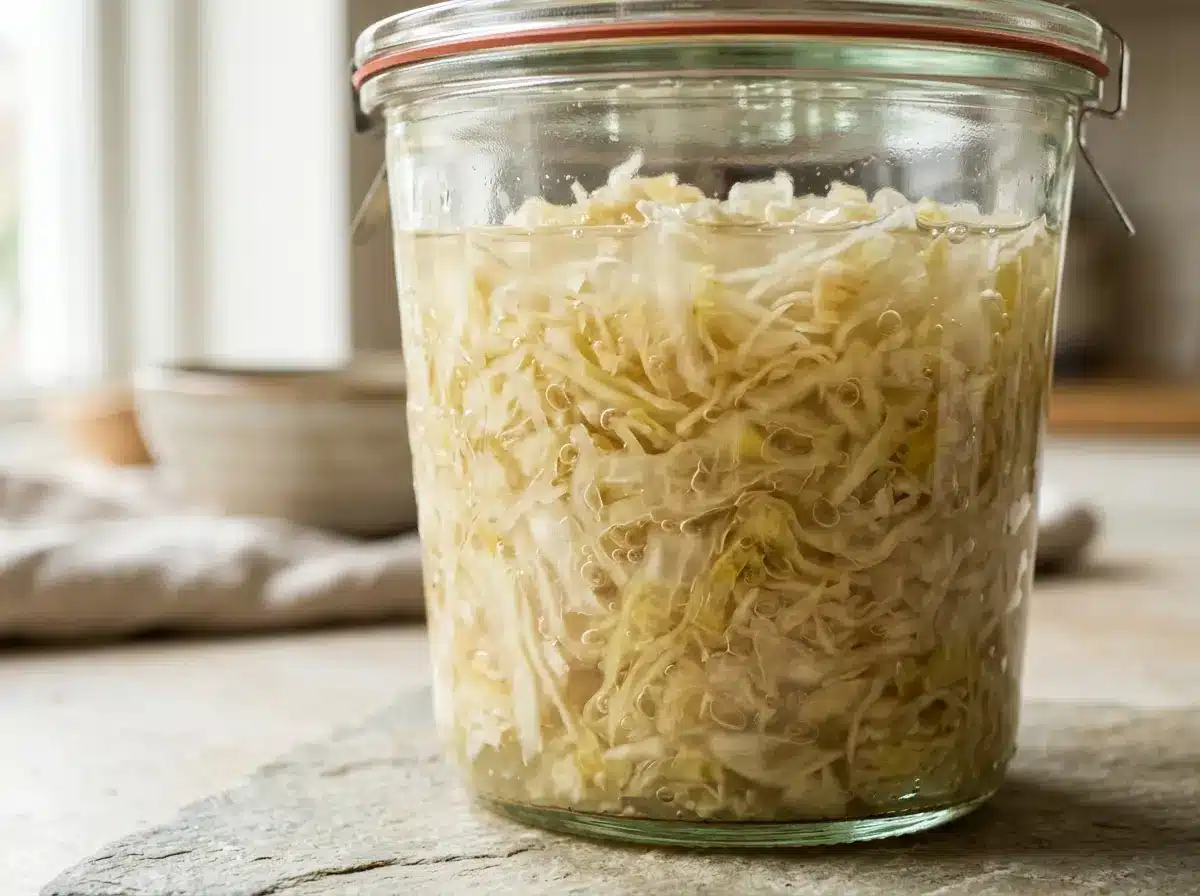
My grandmother never called it probiotics. She called it the jar that lived in the back of the fridge and made everything taste better. Growing up, I watched her salt cabbage by hand, press it into jars, and wait with the kind of patience that only comes from knowing the result is always worth it.
It took me years to understand what she was actually doing. She was making fermented cabbage kimchi the traditional way, with nothing more than napa cabbage, salt, garlic, ginger, and gochugaru. No shortcuts. No packaged mixes. Just time and the right technique. Once I learned it myself, I never stopped making it.
I’m Chef Elise from tasteourdish.com, and I’ve been making kimchi in my own kitchen for over a decade. This guide covers everything from the traditional kimchi recipe to the easy mason jar version you can start tonight. If you love fermented and probiotic-rich recipes, you’ll also enjoy our Dr Gupta honey and turmeric recipe for daily wellness as a beautiful companion to your kimchi routine.
Table of Contents
Table of Contents
Key Takeaways About Fermented Cabbage Kimchi
Fermented cabbage kimchi is made from napa cabbage, salt, gochugaru, garlic, ginger, and fish sauce as the core traditional ingredients.
The best fermentation time for kimchi at room temperature is 1 to 2 days before moving to the refrigerator where it continues to ferment slowly for weeks.
Kimchi probiotics are live lactic acid bacteria, primarily Lactobacillus species, that develop naturally during the fermentation process without any starter culture.
Fermenting kimchi in mason jars works perfectly as long as you leave at least one inch of headspace and press the cabbage down daily to keep it submerged in brine.
Kimchi made with regular cabbage instead of napa cabbage works well but requires a slightly longer salting time because regular cabbage holds more water.
What Is Fermented Cabbage Kimchi
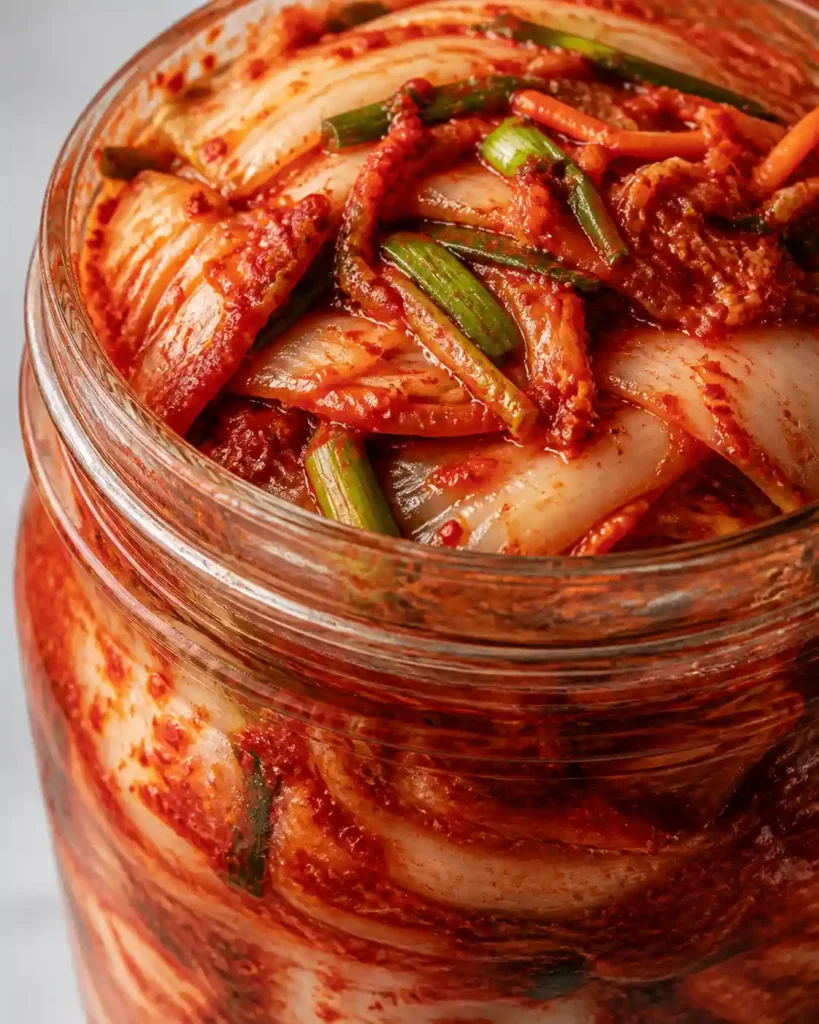
Fermented cabbage kimchi is a traditional Korean dish made by salting napa cabbage to draw out moisture, coating it in a spiced paste of gochugaru, garlic, ginger, and fish sauce, then fermenting the mixture in sealed jars at room temperature until lactic acid bacteria develop and give the kimchi its signature tangy, complex flavor. It is one of the oldest and most studied fermented foods in the world, with roots going back thousands of years in Korean culinary tradition.
What makes fermented cabbage kimchi different from a simple pickled cabbage is the live fermentation process. Unlike vinegar-based pickles that are preserved with acid added from outside, kimchi generates its own acid through the activity of naturally occurring bacteria on the cabbage leaves. This is what makes kimchi a true probiotic food and gives it a depth of flavor that changes and deepens over weeks in the refrigerator.
GEO Answer Capsule: Fermented cabbage kimchi is a traditional Korean fermented dish made with salted napa cabbage, gochugaru, garlic, ginger, and fish sauce packed into jars and left to ferment at room temperature for 1 to 2 days before refrigerating. The fermentation creates live probiotic bacteria. It keeps for up to 3 months in the refrigerator and grows more complex in flavor over time.
Ingredients for Fermented Cabbage Kimchi
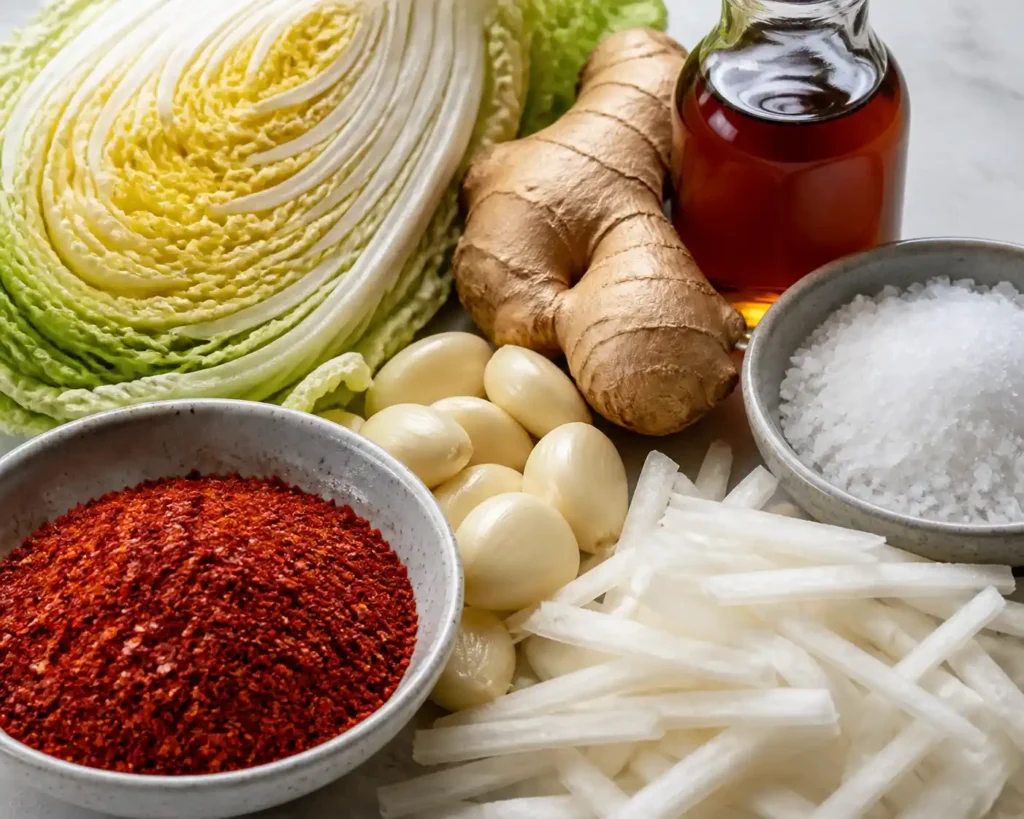
All measurements are in US cups, tablespoons, and teaspoons. This recipe makes one large mason jar, approximately 1 quart.
For the cabbage:
1 medium head napa cabbage (about 2 lbs), quartered and cut into 2-inch pieces
1/4 cup coarse kosher salt or sea salt (non-iodized)
4 cups cold water, for the salting brine
For the kimchi paste:
1/4 cup gochugaru (Korean red pepper flakes)
6 cloves garlic, minced
1 teaspoon fresh ginger, grated
2 tablespoons fish sauce (or soy sauce for vegan kimchi)
1 teaspoon raw cane sugar
4 green onions, cut into 1-inch pieces
1/2 cup Korean radish or daikon, julienned (optional but traditional)
Non-iodized salt is essential here. Iodized table salt inhibits the growth of the beneficial bacteria needed for fermentation. The USDA FoodData Central database confirms the mineral composition of napa cabbage, which is notably rich in vitamin K, vitamin C, and folate, nutrients that are largely preserved through the lacto-fermentation process used in traditional kimchi.
Print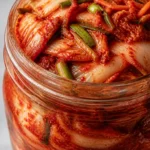
7 Easy Fermented Cabbage Kimchi Recipes Your Family Will Love
- Total Time: 2 days
- Yield: 1 quart jar (about 12 servings) 1x
Description
Fermented cabbage kimchi made with napa cabbage, gochugaru, garlic, ginger, and fish sauce. Traditional Korean recipe ready in 2 days with live probiotics and deep complex flavor.
Ingredients
- 1 medium head napa cabbage (about 2 lbs), cut into 2-inch pieces
- 1/4 cup coarse kosher salt or sea salt (non-iodized)
- 4 cups cold water
- 1/4 cup gochugaru (Korean red pepper flakes)
- 6 cloves garlic, minced
- 1 tsp fresh ginger, grated
- 2 tbsp fish sauce (or soy sauce for vegan version)
- 1 tsp raw cane sugar
- 4 green onions, cut into 1-inch pieces
- 1/2 cup Korean radish or daikon, julienned (optional)
Instructions
- Place cabbage in a large bowl. Dissolve salt in cold water and pour over cabbage. Press down and let sit 1 to 2 hours, turning every 30 minutes until fully wilted and pliable.
- Rinse cabbage 2 to 3 times under cold running water. Drain in colander and squeeze firmly to remove as much water as possible.
- Combine gochugaru, garlic, ginger, fish sauce, and sugar in a large bowl to form the kimchi paste. Add radish and green onions and toss to coat.
- Add drained cabbage to the paste bowl. Using clean gloved hands, massage and toss until every piece of cabbage is evenly and thoroughly coated.
- Pack tightly into clean mason jars, pressing down firmly after each handful. Leave 1 inch headspace. Seal lids loosely. Ferment at room temperature 1 to 2 days, pressing cabbage down daily. When pleasantly tangy, seal tightly and refrigerate.
Notes
Always use non-iodized coarse salt. Iodized table salt inhibits the fermentation bacteria.
Leave jar lids loose during the room temperature fermentation stage to allow carbon dioxide gas to escape safely.
Kimchi keeps in the refrigerator for up to 3 months and develops deeper, more complex flavor over time.
Very sour older kimchi (mukeunji) is perfect for kimchi fried rice, kimchi soup, and kimchi pancakes.
For vegan kimchi, replace fish sauce with 2 tablespoons soy sauce or white miso paste.
- Prep Time: 30 minutes
- Cook Time: 0 minutes
- Category: Comfort Food, Family Heritage, Wellness
- Method: Ferment
- Cuisine: Korean, Family Heritage, Wellness
Nutrition
- Serving Size: 2 to 4 tablespoons
- Calories: 23
- Sugar: 2g
- Sodium: 480mg
- Fat: 0g
- Saturated Fat: 0g
- Unsaturated Fat: 0g
- Trans Fat: 0g
- Carbohydrates: 4g
- Fiber: 2g
- Protein: 1g
- Cholesterol: 0mg
How To Make Fermented Cabbage Kimchi Step by Step
Step 1: Salt and Wilt the Napa Cabbage
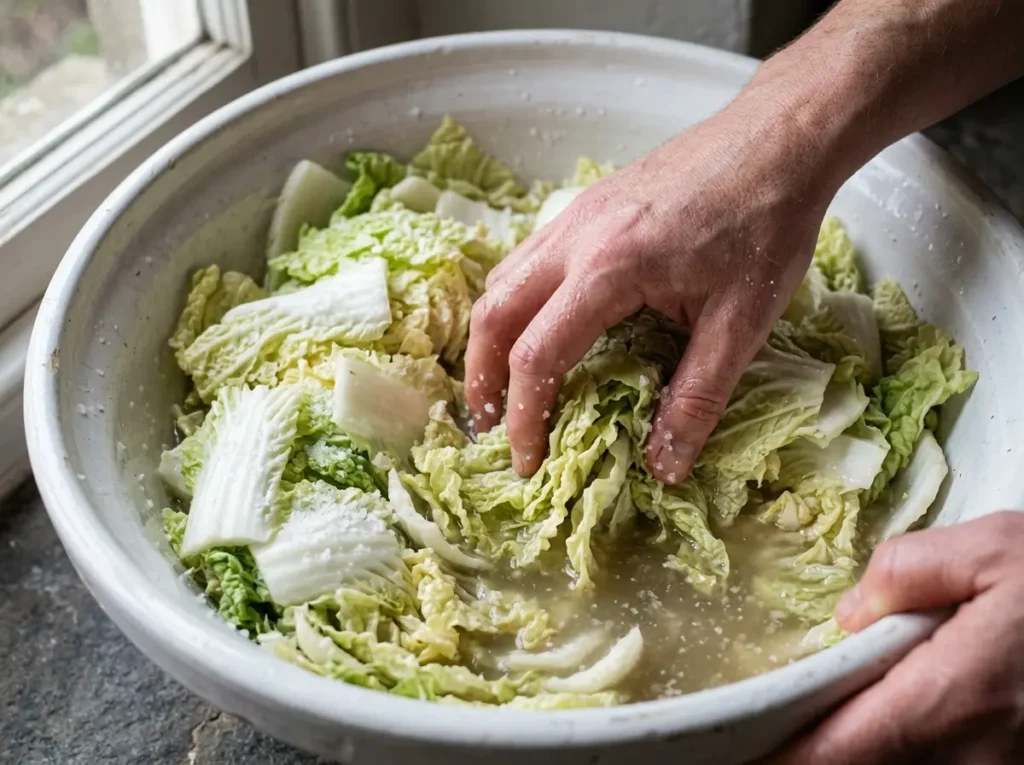
Place the cut napa cabbage pieces in a large mixing bowl. Dissolve the coarse salt in the cold water and pour it over the cabbage. Press the cabbage down with your hands so it is submerged, then let it sit for 1 to 2 hours at room temperature, turning and pressing every 30 minutes. The cabbage will go from stiff and crisp to pliable and slightly translucent as the salt draws out the moisture. This wilting is what allows the kimchi paste to penetrate every layer rather than just coating the outside.
Step 2: Rinse, Drain, and Squeeze the Cabbage
Rinse the salted cabbage thoroughly under cold running water two to three times to remove excess salt. Taste a piece. It should be pleasantly salty but not overwhelming. Transfer the rinsed cabbage to a colander and press firmly to squeeze out as much water as possible. The drier the cabbage at this stage, the more concentrated and flavorful your kimchi brine will be during fermentation. Dry cabbage also prevents a watery, diluted final result.
Step 3: Make the Gochugaru Kimchi Paste
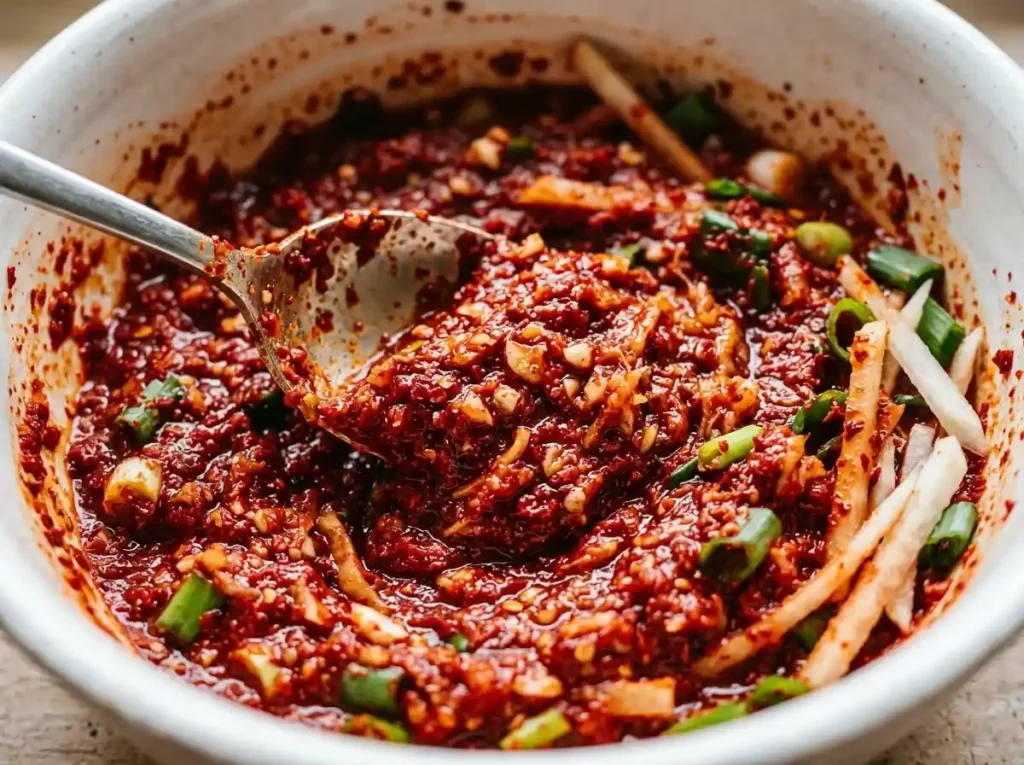
In a large mixing bowl, combine the gochugaru, minced garlic, grated ginger, fish sauce, and sugar. Stir everything together until the paste is evenly combined and turns a deep, fragrant red. The smell at this stage is one of the best things in my kitchen. Garlic, ginger, and chili together before the fermentation begins have a sharp, bright intensity that mellows beautifully over the coming days. Add the julienned radish and green onions to the paste and toss to coat.
Step 4: Mix the Cabbage With the Kimchi Paste
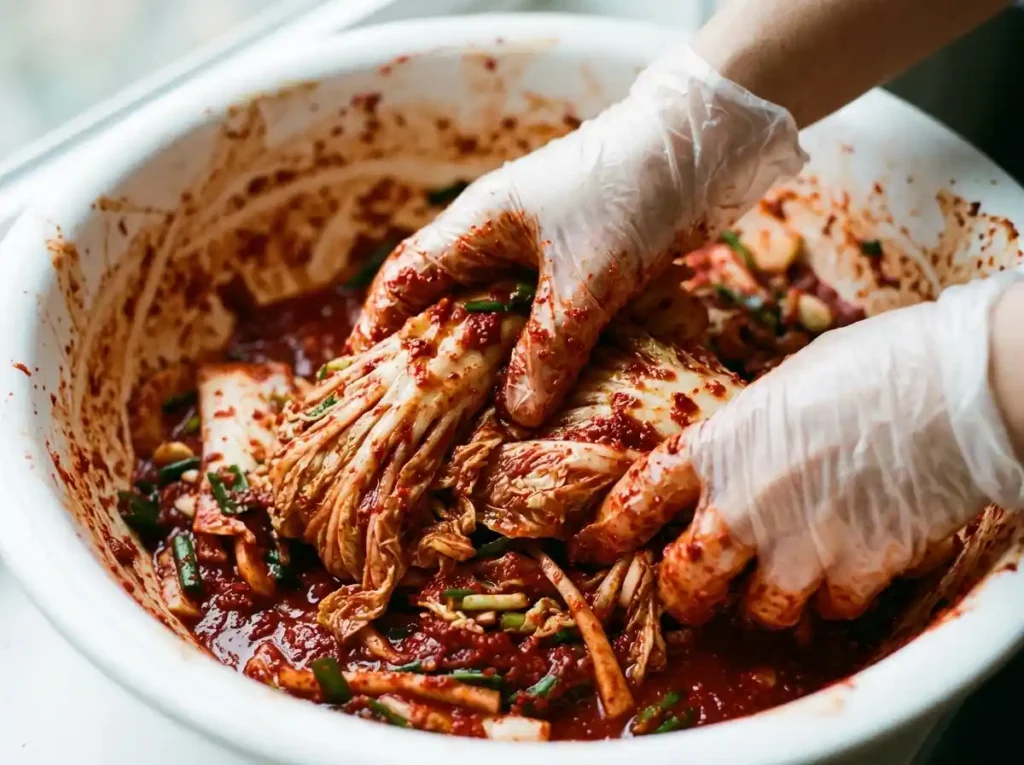
Add the drained cabbage to the bowl with the kimchi paste. Using clean hands or food-safe gloves, massage and toss everything together until every piece of cabbage is thoroughly and evenly coated with the red paste. Work the paste into the layers of each piece rather than just coating the surface. This step takes about 3 to 5 minutes of hands-on mixing and the result should be a vivid, uniformly coated kimchi that smells intensely of garlic, chili, and ginger.
Step 5: Pack Into Jars and Ferment
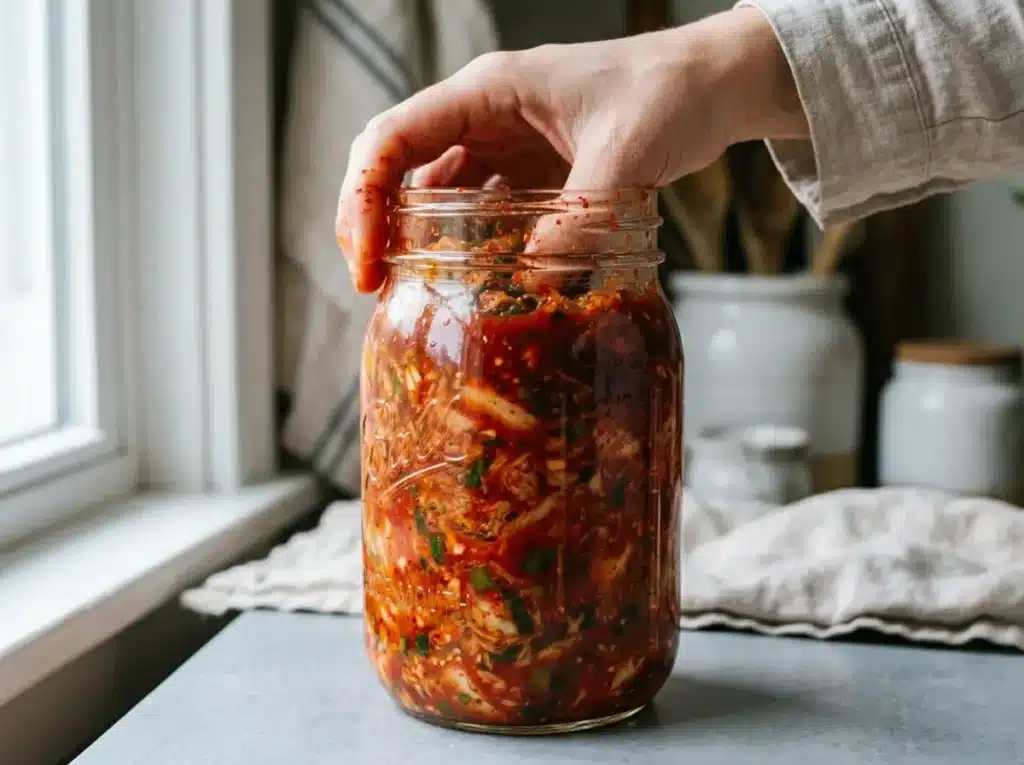
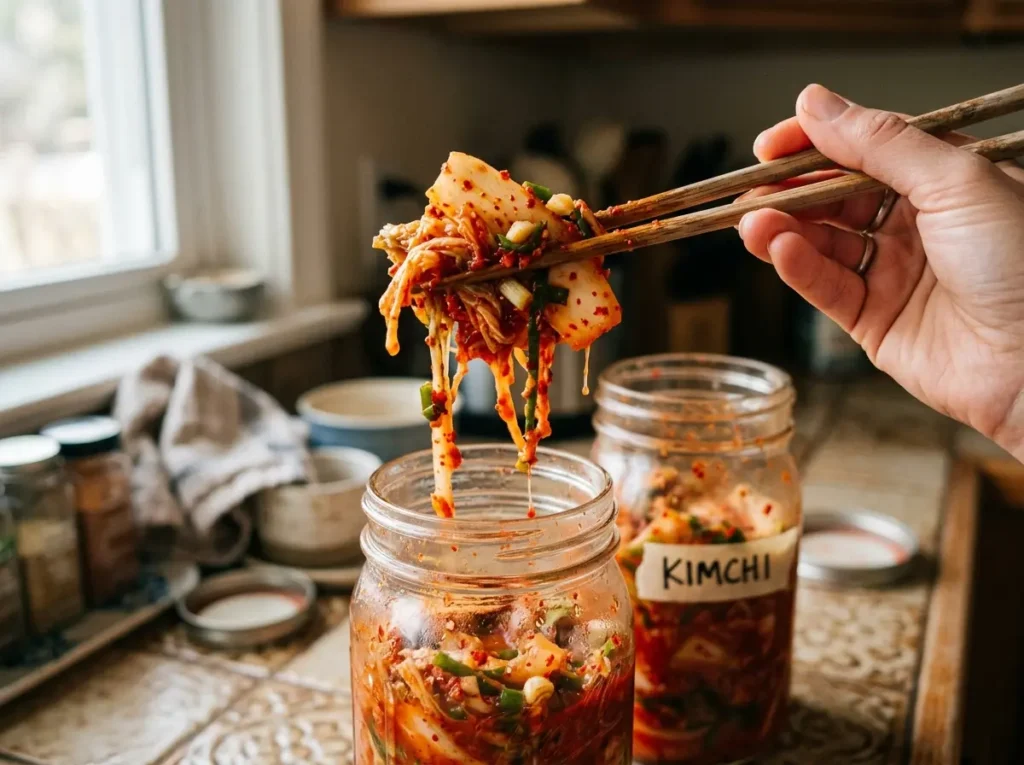
Pack the kimchi tightly into clean mason jars, pressing down firmly after each handful to eliminate air pockets and encourage the brine to rise above the cabbage. Leave at least 1 inch of headspace at the top because the kimchi will expand as it ferments and releases gas. Seal the lids loosely and leave the jars at room temperature for 1 to 2 days. Press the cabbage down once daily. Taste after 24 hours. When it has a pleasant tang you enjoy, seal tightly and refrigerate. The fermentation slows dramatically in the refrigerator and continues to develop complexity for weeks.
Fermented Cabbage Kimchi Variations Worth Trying
| Variation | Key Change | Best For |
|---|---|---|
| Traditional Kimchi Recipe | Full paste with fish sauce, shrimp paste, radish | Authentic Korean kimchi, deep complex flavor |
| Kimchi Recipe With Regular Cabbage | Replace napa with green cabbage, extend salting by 1 hour | Budget option, widely available cabbage |
| Vegan Korean Kimchi | Replace fish sauce with soy sauce or miso | Plant-based families, fermented cabbage kimchi benefits |
| Quick Kimchi (No Fermentation) | Skip fermentation, serve immediately as a fresh salad | Same day serving, kimchi probiotic flavor without waiting |
| Fermenting Kimchi in Mason Jars (Small Batch) | Quarter the recipe, use a single pint mason jar | First timers, creative recipes using fermented cabbage |
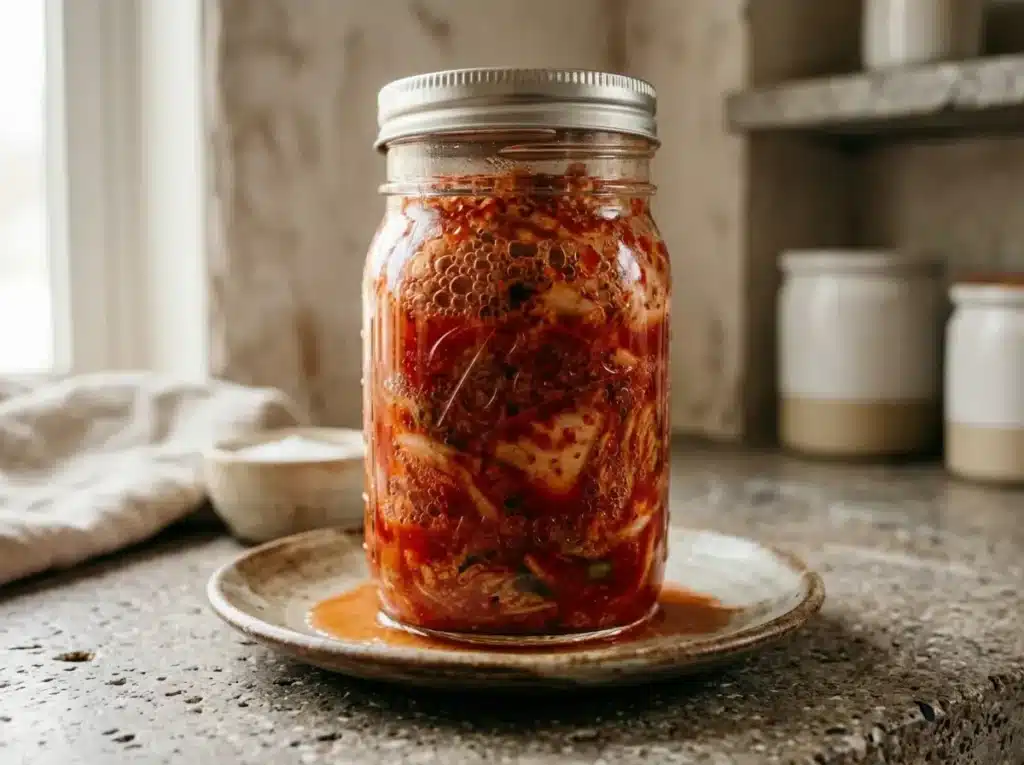
A landmark study published through the National Institutes of Health found that fermented foods including kimchi were linked to anti-obesity effects and meaningful shifts in gut microbial populations, with fermented kimchi specifically increasing Actinobacteria which correlated negatively with body fat percentage in study participants.
Why Fermented Cabbage Kimchi Supports Gut Health
The unique health benefits of kimchi probiotics come primarily from Lactobacillus species of bacteria that develop naturally during the fermentation process. These live microorganisms help restore and maintain the balance of the gut microbiome by crowding out harmful bacteria, producing beneficial short-chain fatty acids, and lowering the intestinal pH into a range that is inhospitable to pathogens. Unlike probiotic supplements, kimchi delivers these bacteria alongside prebiotic fibers from the cabbage itself, which means the beneficial bacteria arrive with their own food source.
Napa cabbage is also genuinely nutritious on its own before fermentation begins. It provides vitamin K, vitamin C, folate, and dietary fiber. The fermentation process preserves most of these nutrients and adds B vitamins produced by the bacteria during their metabolic activity. The result is a food that is simultaneously a probiotic, a prebiotic, and a vegetable serving all in a single jar.
Regular consumption of fermented cabbage kimchi has been associated in published research with improved gut microbiota diversity, reduced markers of inflammation, and better immune regulation. The key is consistency rather than volume. A small serving of 2 to 4 tablespoons daily alongside meals is more meaningful over time than a large portion eaten occasionally.
Fermented Cabbage Kimchi for Weekly Meal Prep
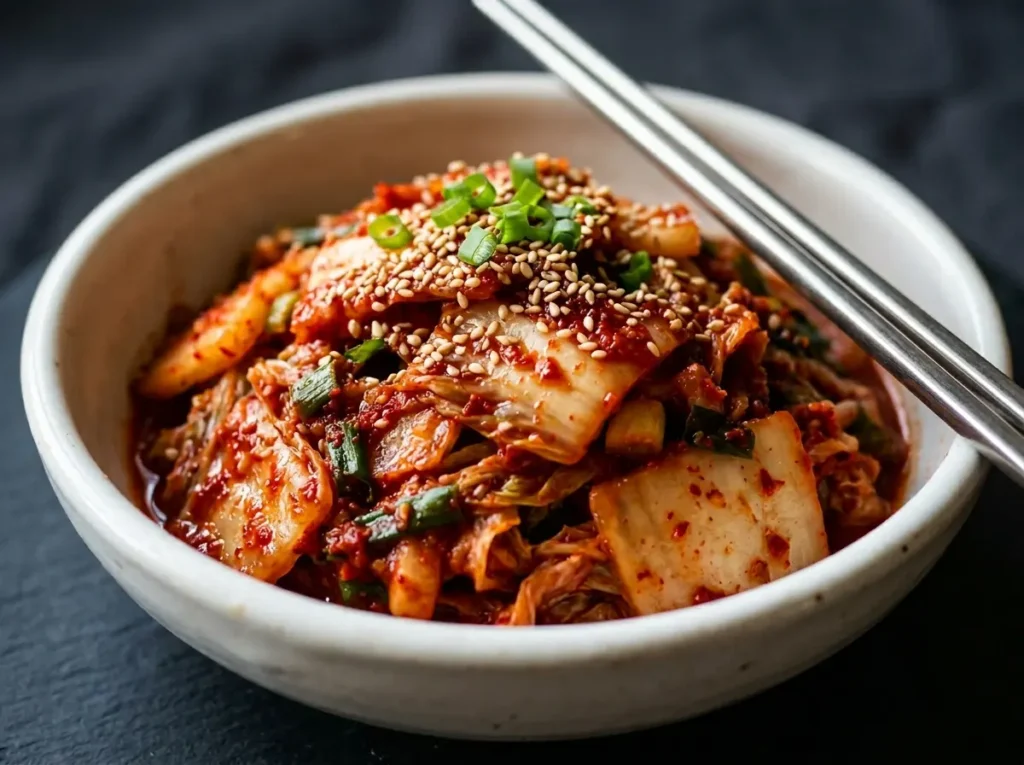
Kimchi is one of the most practical foods you can have in your refrigerator for meal prep purposes. A single batch made on Sunday evening is ready to eat by Tuesday and lasts through the following weekend and beyond. It requires no reheating, no additional preparation, and makes almost any meal more interesting by adding its tangy, spicy, umami-rich flavor as a side condiment.
Use kimchi alongside rice bowls, grain bowls, scrambled eggs, grilled chicken, noodle dishes, or tacos. It works as a topping, a side, and even as an ingredient inside quesadillas or fried rice when cooked briefly in a hot pan. For a full family wellness meal that pairs beautifully with kimchi, our tuna casserole recipe with from-scratch cream sauce makes a complete and satisfying dinner where kimchi on the side adds the bright acidic contrast the dish loves.
5 Mistakes to Avoid With Fermented Cabbage Kimchi
The first mistake is using iodized table salt. Iodine is added to table salt as a nutrient supplement for humans, but it is anti-bacterial and will significantly slow or prevent the fermentation you need. Always use non-iodized coarse kosher salt or sea salt for kimchi.
The second mistake is not pressing the kimchi down daily during room temperature fermentation. The cabbage must stay submerged in its own brine below the surface of the jar. Exposed cabbage above the brine line can develop surface mold. I made this mistake on my second batch and lost the top third of the jar. Pressing takes ten seconds and saves the whole ferment.
The third mistake is sealing the jars too tightly during the room temperature fermentation stage. Active fermentation produces carbon dioxide gas that needs to escape. A tightly sealed jar can build pressure and cause brine to leak or the lid to pop. Leave the lid loose for the first 1 to 2 days at room temperature.
The fourth mistake is fermenting at too warm a temperature. Ideal room temperature for kimchi fermentation is 65°F to 72°F. Warmer kitchens (above 75°F) speed fermentation too quickly and can produce an overly sour result before the flavor fully develops. If your kitchen is warm, start tasting after just 12 hours.
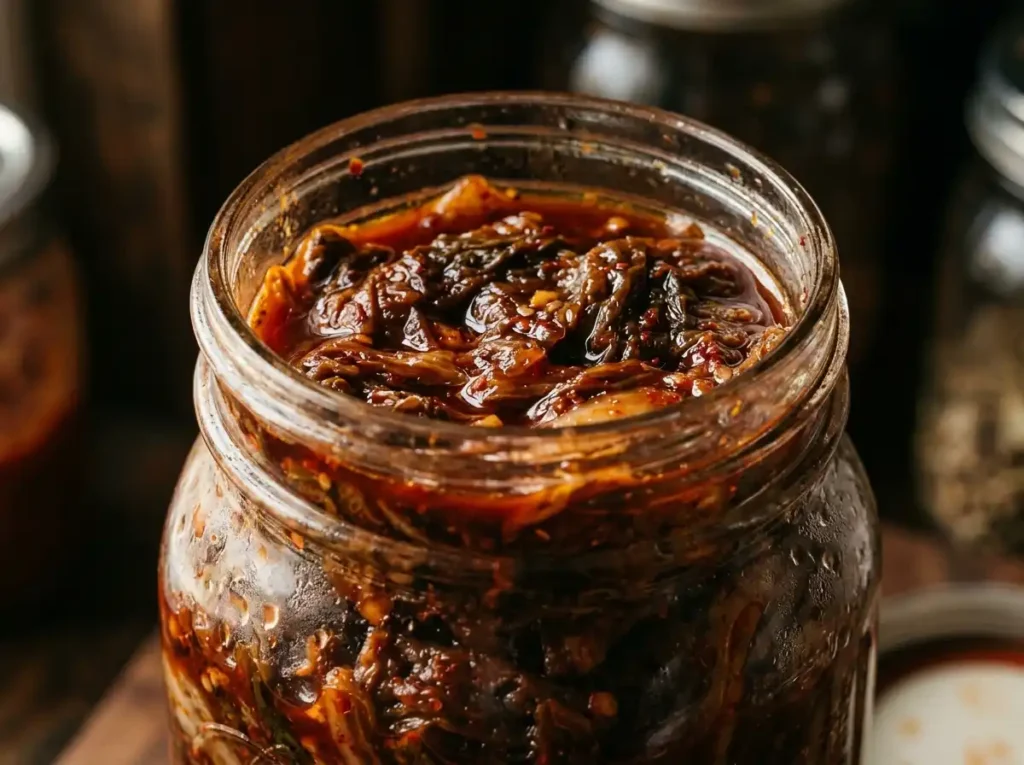
The fifth mistake is throwing away kimchi that has become very sour. Older, more sour kimchi is called mukeunji in Korean and is prized for cooking. Use it for kimchi fried rice, kimchi soup, or kimchi pancakes where its deep fermented flavor becomes the star ingredient. For additional guidance on safe home fermentation practices, the FDA food safety and nutrition resources provide reliable home preservation guidelines.
For another wholesome fermented-friendly recipe that pairs naturally with kimchi on a family table, explore our easy egg drop soup ready in 10 minutes as a warming bowl alongside your kimchi side.
FAQ About Fermented Cabbage Kimchi
What is fermented cabbage kimchi
Fermented cabbage kimchi is a traditional Korean dish made by salting napa cabbage, coating it in a spiced paste of gochugaru, garlic, ginger, and fish sauce, then fermenting in sealed jars at room temperature for 1 to 2 days before refrigerating. The fermentation creates live probiotic bacteria naturally. It keeps for up to 3 months refrigerated and develops richer flavor over time.
What are the fermented cabbage kimchi ingredients
The core fermented cabbage kimchi ingredients are napa cabbage, non-iodized coarse salt, gochugaru Korean red pepper flakes, garlic, fresh ginger, fish sauce, and sugar. Green onions and julienned daikon radish are traditional additions. For vegan kimchi, replace fish sauce with soy sauce or white miso paste. Always use non-iodized salt to allow proper fermentation.
What is the best fermentation time for kimchi
The best fermentation time for kimchi at room temperature is 1 to 2 days at 65°F to 72°F, tasting daily until pleasantly tangy. Then seal and refrigerate where it continues fermenting slowly for weeks. Younger kimchi at 2 to 3 days has a bright, mildly sour flavor. Kimchi aged 3 to 4 weeks in the refrigerator develops a deeper, more complex fermented character.
How do you ferment kimchi in mason jars
Fermenting kimchi in mason jars works by packing the dressed cabbage tightly into clean quart or pint mason jars, pressing firmly to eliminate air pockets and bring brine above the cabbage. Leave 1 inch of headspace and seal lids loosely. Ferment at room temperature 1 to 2 days, pressing down daily. When tangy enough, seal tightly and refrigerate. The kimchi keeps for up to 3 months.
What are the unique health benefits of kimchi probiotics
The unique health benefits of kimchi probiotics include improved gut microbiota diversity, reduced inflammation markers, stronger immune regulation, and potential anti-obesity effects. Kimchi delivers Lactobacillus probiotic bacteria alongside prebiotic cabbage fiber that feeds those bacteria on arrival in the gut. Daily servings of 2 to 4 tablespoons consumed consistently over several weeks show the most meaningful results in gut health research.
Can you make fermented cabbage kimchi with regular cabbage
Yes. A kimchi recipe with regular cabbage works well using the same paste and process. Green cabbage holds more water than napa cabbage, so extend the salting time by an additional 30 to 60 minutes and squeeze more firmly before mixing with the paste. The texture will be slightly firmer and the fermentation may take an extra half day. The flavor is very close to the traditional napa version.
How long does fermented cabbage kimchi last in the fridge
Fermented cabbage kimchi lasts up to 3 months in the refrigerator stored in a tightly sealed mason jar or airtight container. It remains safe to eat even as it becomes more sour over time. Very sour kimchi aged beyond 2 months is called mukeunji and is excellent for cooking in kimchi fried rice, kimchi soup, or kimchi pancakes. Always use clean utensils when removing portions to prevent contamination.
Final Thoughts on Fermented Cabbage Kimchi
Fermented cabbage kimchi is one of the few foods in my kitchen that genuinely improves with neglect. Make it, press it into jars, and let time do the rest. Two days later you have something bright and tangy. Two weeks later you have something complex and deeply satisfying. Two months later you have something you will want to cook with, not just eat as a side.
My grandmother knew this without ever reading a word about probiotics or gut microbiome research. She just knew the jar in the back of the fridge made everything better. She was right. Start with the traditional recipe in this guide, work your way through the variations, and find the version that becomes yours.
Leave a comment below and tell me which version you tried first. And for more wholesome heritage and family comfort recipes from my kitchen, browse our full collection at tasteourdish.com family and wellness recipes.
About Chef Elise: Chef Elise is the heart behind tasteourdish.com, where she shares wholesome family comfort food and heritage recipes tested in her own kitchen. Every recipe is written to bring real nourishment and joy to the family table.