I will be honest with you. For years I grabbed whatever baking cocoa powder was sitting on the shelf, stirred it into my batter, and hoped the brownies would come out the way I imagined. Sometimes they did. Sometimes they came out dry, pale, and weirdly flat and I had no idea why. It was not the recipe. It was not the oven. It was the cocoa.
Turns out, baking cocoa powder is not one single thing. There are different types, different acidity levels, different flavor profiles and using the wrong one in the wrong recipe genuinely changes your results. Once I understood that, everything clicked into place.
So here is everything I know about baking cocoa powder: what it actually is, the difference between every type, how to store it properly, how to shop for it smart, and exactly how to use it in your bakes. Whether you are making a birthday cake, a batch of brownies, or a simple mug of hot cocoa, this guide has you fully covered.
Table of Contents
Table of Contents
Baking Cocoa Powder: The Complete Guide for Better Chocolate Bakes
- Total Time: 35 minutes
- Yield: 16 brownies
- Diet: Vegetarian
Description
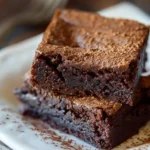
The best classic fudgy brownie made with natural baking cocoa powder. Deep chocolate flavor, chewy edges, and a dense center — ready in under 35 minutes with simple pantry staples.
Ingredients
½ cup (115g) unsalted butter, melted
1 cup (200g) granulated sugar
2 large eggs, room temperature
1 tsp pure vanilla extract
½ cup (50g) natural baking cocoa powder, sifted
½ cup (65g) all-purpose flour
¼ tsp salt
¼ tsp baking soda
Instructions
1. Preheat your oven to 350°F (175°C). Grease an 8×8 inch baking pan and line with parchment paper.
2. In a large bowl, whisk melted butter and sugar together until smooth and glossy.
3. Add eggs one at a time, whisking well after each. Stir in vanilla extract.
4. Sift in the natural baking cocoa powder, flour, salt, and baking soda. Fold gently until just combined — do not overmix.
5. Pour batter into prepared pan and smooth the top with a spatula.
6. Bake for 22–25 minutes, until the edges are set and a toothpick inserted 1 inch from the edge comes out with moist crumbs.
7. Let cool in the pan for at least 15 minutes before slicing. Cut into 16 squares and serve.
Notes
Always sift your baking cocoa powder before adding it prevents bitter dry clumps in the finished brownie.
For Dutch-process cocoa: swap baking soda for ¼ tsp baking powder to match the reduced acidity.
Store covered at room temperature for up to 4 days, or freeze individual squares for up to 2 months.
For extra fudginess, pull from the oven at 22 minutes the center will firm as it cools.
Pair with a scoop of vanilla ice cream or a dusting of powdered sugar for serving.
- Prep Time: 10 minutes
- Cook Time: 25 minutes
- Category: Desserts, Baking
- Method: Bake
- Cuisine: American
Nutrition
- Serving Size: 1 brownie
- Calories: 148
- Sugar: 14g
- Sodium: 52mg
- Fat: 7g
- Saturated Fat: 4g
- Unsaturated Fat: 3g
- Trans Fat: 0g
- Carbohydrates: 21g
- Fiber: 1g
- Protein: 2g
- Cholesterol: 38mg
Key Takeaways About Cocoa Powder
Baking cocoa powder and hot cocoa mix are not the same thing mixing them up can ruin a recipe.
Natural baking cocoa powder is acidic and works with baking soda. Dutch-process is alkalized and works with baking powder.
Store your baking cocoa powder in a sealed container in a cool, dry pantry never in the fridge or freezer.
A well-stored tin stays good for up to two years, but flavor fades gradually, so always give it a sniff before you bake.
Budget brands like Hershey’s and baking cocoa powder Aldi consistently perform as well as premium options in real baking tests.
What Is Baking Cocoa Powder, Really?
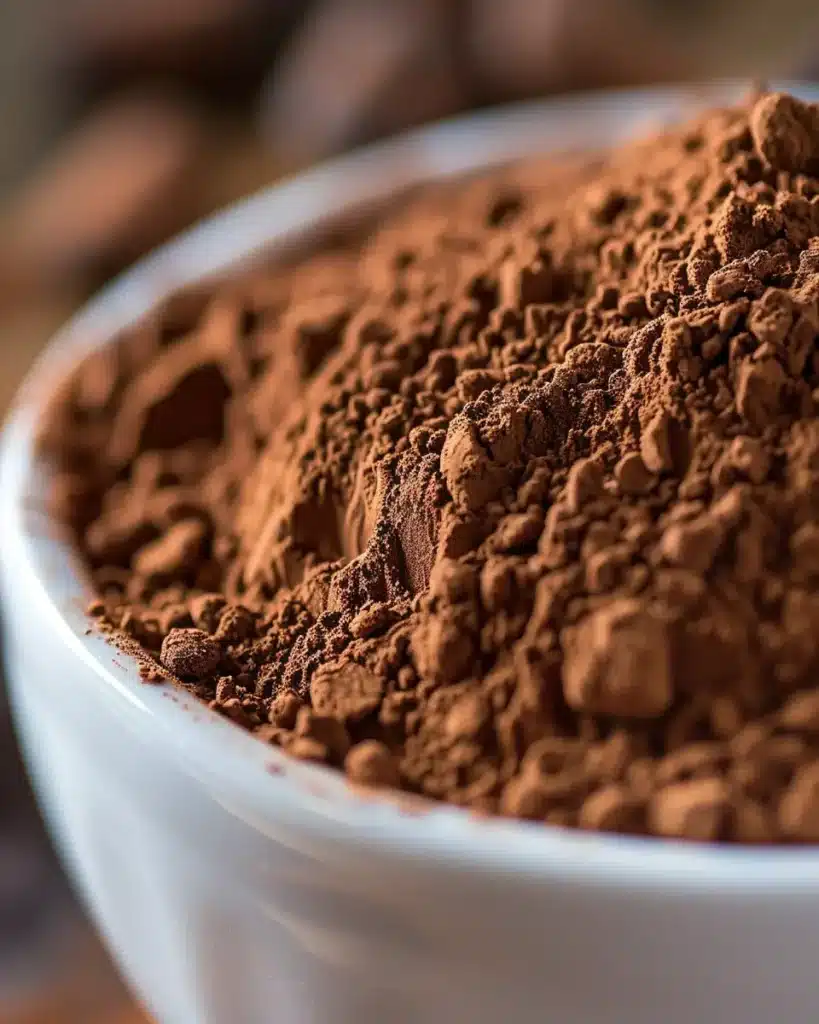
Baking cocoa powder is made by pressing dried, roasted cocoa beans to squeeze out most of the fat called cocoa butter and grinding the remaining solids into a fine dark powder. Because it is almost entirely concentrated cocoa solids, a small amount goes a very long way. Two or three tablespoons can turn an entire batch of batter deep brown and fill your kitchen with that warm chocolate fragrance before the oven even switches on.
It is also wonderfully simple to work with. No double boiler, no careful melting, no watching temperatures. Just sift it into your dry ingredients and keep moving. That ease, combined with its low price, is why every serious home baker keeps at least one type on the shelf at all times.
If you love baking with bold, real ingredients, you will want to explore our Mexican Chocolate Cake recipe a stunning example of what great baking cocoa powder can do when paired with the right spices.
How to Store Baking Cocoa Powder the Right Way
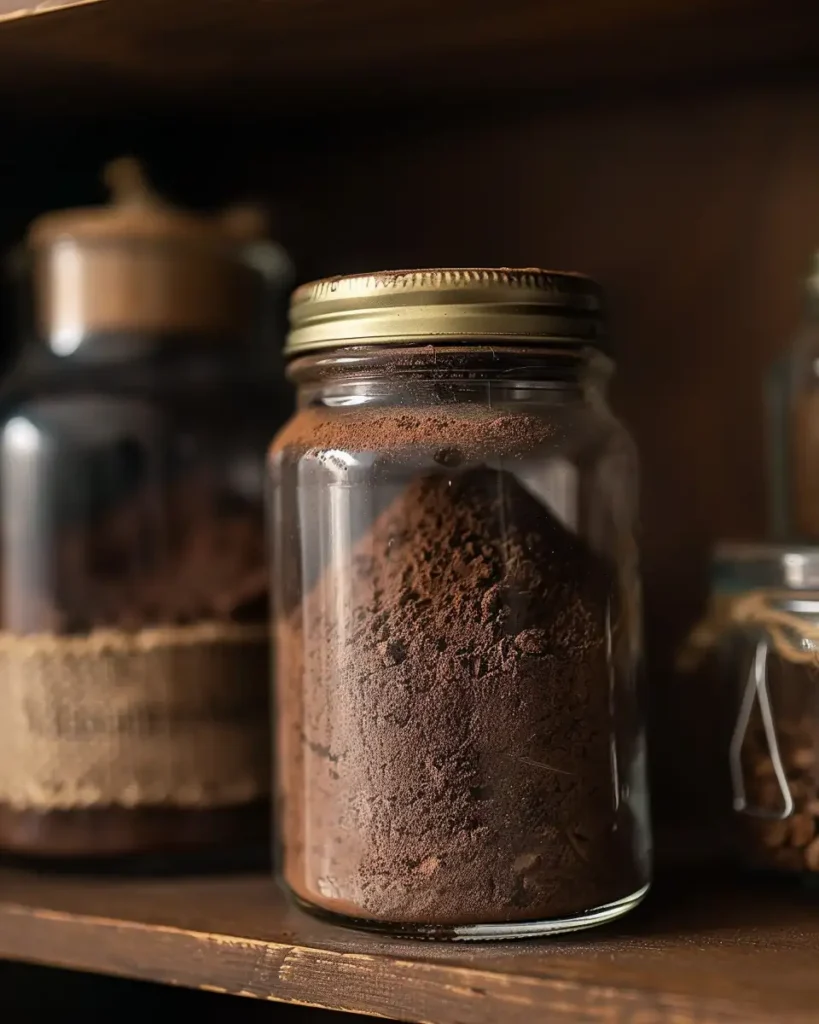
Here is something a lot of home bakers get wrong: baking cocoa powder does not belong in the fridge or freezer. Both environments create humidity, and moisture is the enemy. Cocoa clumps, absorbs surrounding smells, and loses its depth of flavor much faster than it should when stored in cold, humid conditions.
The right move is a sealed airtight container in a cool, dry spot a pantry shelf or kitchen cupboard, exactly the way you would treat your spice collection. Stored this way, baking cocoa powder holds its flavor for up to two years. That said, potency fades gradually. If your tin has been sitting quietly since before the last winter holidays, give it a sniff before you bake. If it barely smells like chocolate, pick up a fresh one. Your bakes will thank you.
Types of Baking Cocoa Powder: What the Labels Actually Mean
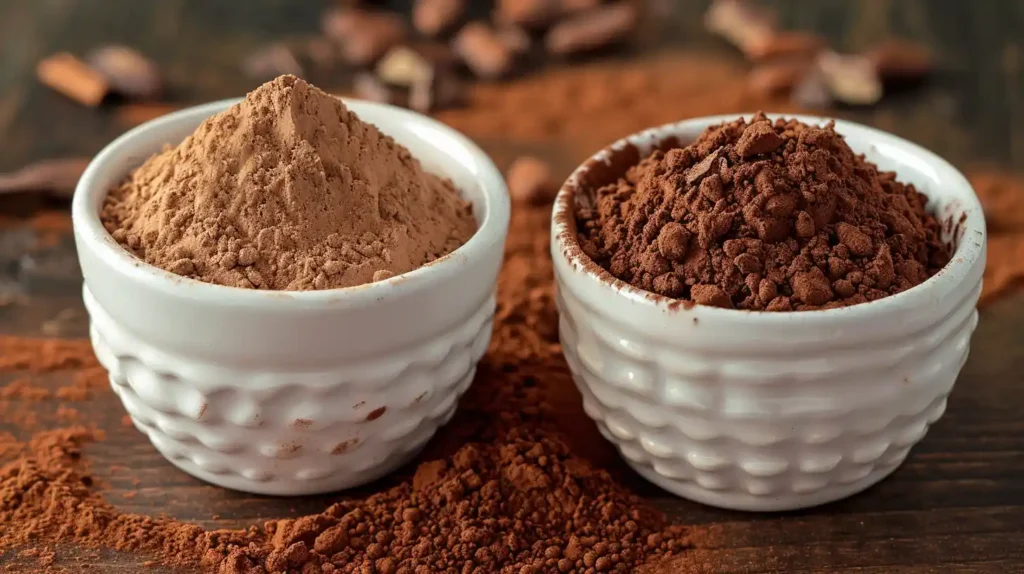
This is the section that changes everything for home bakers. Understanding the different types of baking cocoa powder is the real key to consistent results. Each type behaves differently in a recipe, and using the wrong one is often exactly why cakes fall flat or brownies turn out wrong.
Natural Baking Cocoa Powder
This is the most common baking cocoa powder you will find on shelves. It is sometimes labeled “pure cocoa powder” or “unsweetened cocoa powder.” It has not been treated with anything beyond the basic processing separated from the cocoa butter, dried, and ground. That is it.
Natural baking cocoa powder has a fruity, complex, slightly bitter flavor and a warm light-brown color. It is also naturally acidic, with a pH between 5.3 and 5.8. That acidity matters enormously in baking. It reacts with baking soda, triggering the lift that gives your brownies and chocolate cakes the right rise and chewy texture. If your recipe calls for baking soda, natural cocoa is almost always what you need.
Hershey’s natural cocoa is the pantry classic widely available at baking cocoa powder Walmart for just a few dollars. Despite its modest price, it consistently outperforms more expensive brands in taste tests. I keep a tin of it in my kitchen at all times.
Dutch-Process Baking Cocoa Powder
Dutch-process baking cocoa powder goes through one extra step. The cocoa beans are soaked in an alkali solution a technique developed by a Dutch chemist in the 1800s which neutralizes the natural acidity. The result is a darker, richer-looking powder with a smoother, more deeply chocolatey flavor that many bakers find more complex and rounded than natural cocoa.
Because that acidity has been neutralized, Dutch-process cocoa will not react with baking soda. It works best in recipes that use baking powder, or a combination of both leavening agents. You can also use it freely in anything no-bake chocolate buttercream, fudge sauce, ice cream, ganache where leavening is not part of the picture. This is where Dutch-process truly shines, delivering that smooth, fudgy depth without any harshness.
Ghirardelli baking cocoa powder is one of the most popular Dutch-process options among home bakers. Ghirardelli cocoa powder Dutch process is prized for its extra-dark color and intensely fudgy flavor it is the kind of cocoa that makes your chocolate cake look as stunning as it tastes. You will find it at most major grocery stores, at baking cocoa powder Walmart, and online.
Black Cocoa Powder for Baking
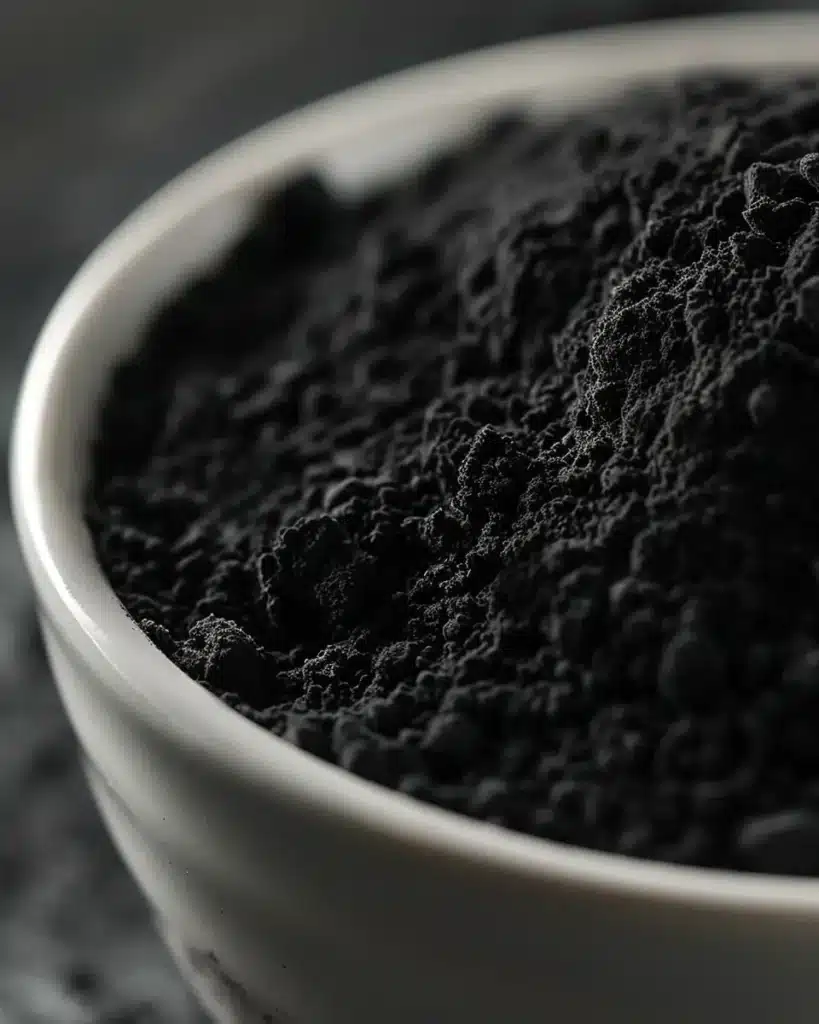
Black cocoa powder is a heavily alkalized version of Dutch-process that has been processed multiple times. The result is an almost jet-black powder with a bold, deep color and a slightly muted, cookie-like chocolate flavor. This is exactly what gives Oreo cookies and classic chocolate ice cream sandwiches that unmistakable dark hue.
If you want a dramatically dark-colored cake, cookie, or sauce, black cocoa powder is your ingredient. The same rules apply as regular Dutch-process: pair it with baking powder, not baking soda, and read your recipe carefully before swapping it in.
Cacao Powder vs Baking Cocoa Powder
Cacao powder and baking cocoa powder come from the same source cocoa beans but are processed very differently. Cacao powder is ground from whole cocoa pods and beans at very low temperatures, which is why it is considered “raw.” It retains more of its natural nutrients, but it is also significantly more bitter than standard cocoa powder.
Substituting cacao for baking cocoa powder in a dessert recipe will produce a noticeably more bitter, less sweet result. That can work beautifully in savory cooking cacao powder is wonderful as an alternative to paprika in chili, stew, tomato sauce, and barbecue rubs. But in a birthday cake or a pan of brownies, most people will find straight cacao too harsh. Stick to baking cocoa powder for sweet bakes and save the cacao for savory experiments.
Why Baking Cocoa Powder Is Not the Same as Hot Cocoa Mix
This is the mix-up that catches people most often, and it is an easy one to make the packaging looks similar on the shelf. Hot cocoa mix is a sweetened product with added sugar, dried milk solids, and stabilizers. Using it in a baking recipe throws off every measurement of sweetness, fat, and structure. Your baked goods will come out pale, too sweet, and oddly textured. Keep the mix for your mug and away from your cake batter.
The reverse is equally true: plain baking cocoa powder stirred into hot water does not magically become sweet hot cocoa. But here is a nice kitchen trick you can absolutely make your own hot cocoa mix from scratch using natural cocoa powder with sugar and a splash of vanilla extract. It tastes far better than any packet, and you control exactly what goes in.
Baking Cocoa Powder for Cake: How to Use It Right
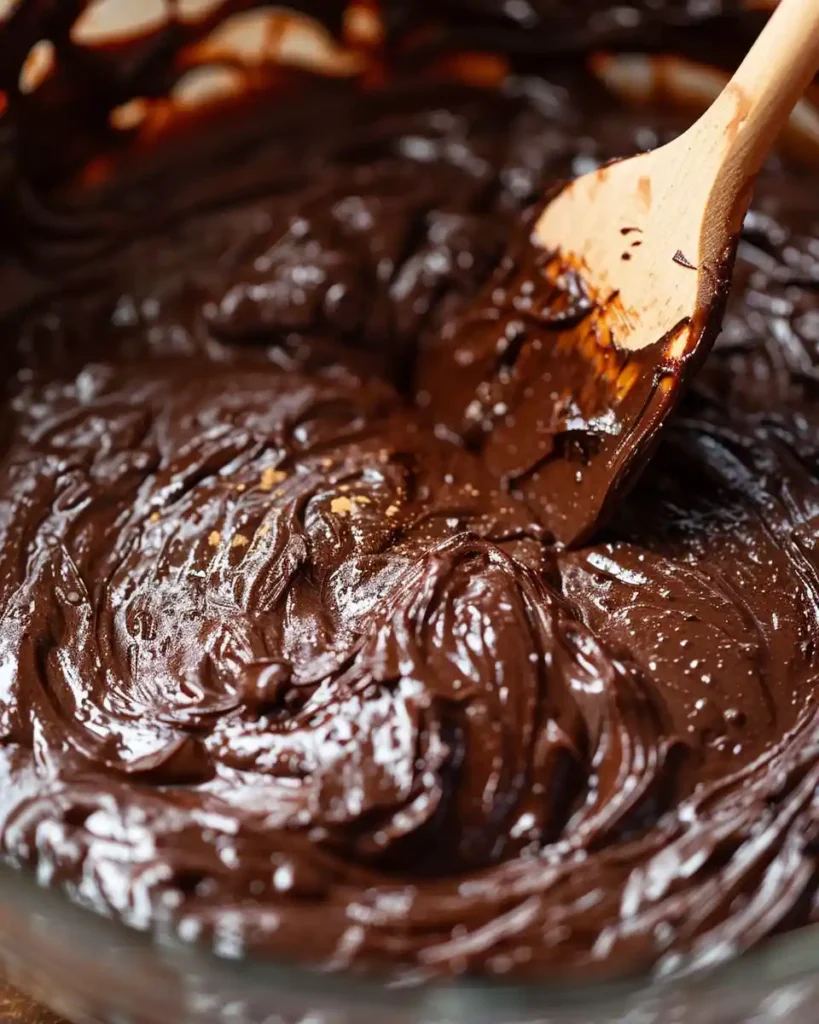
Understanding which type to use is half the battle. The other half is knowing how to actually work with baking cocoa powder in your recipes.
For baking cocoa powder for cake, the first thing to check is always your leavening agent. Baking soda in the recipe means you want natural cocoa powder the acidity triggers the lift. Baking powder means you can use Dutch-process for a deeper, fudgier color and flavor. For layer cakes, Bundt cakes, loaf cakes, and flourless chocolate cakes, this choice directly shapes both the texture and the final look of your bake.
For no-bake uses chocolate frosting, ganache, fudge sauce, ice cream bases, or a beautiful mug of hot cocoa you can use natural, Dutch-process, or black cocoa interchangeably. There is no leavening reaction to worry about, so go with whichever flavor profile suits you. Dutch-process is my personal go-to for buttercream because that smooth, rounded flavor is just lovely.
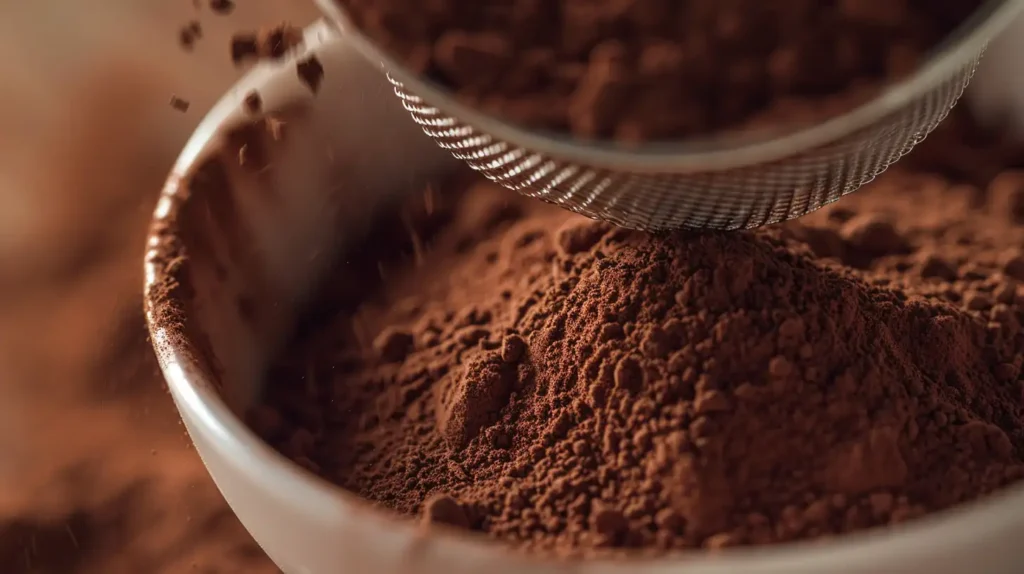
One small tip that makes a real difference: always sift your baking cocoa powder before adding it to a batter. Cocoa tends to clump, especially if the tin has been sitting for a while. Sifting takes ten seconds and prevents bitter dry pockets in your finished bake.
For sweet bakes that use cocoa beautifully, our Strawberry Shortcake recipe and Soft Frosted Eggnog Cookies are wonderful places to start experimenting with chocolate alongside other flavors.
Baking Cocoa Powder Recipes: What You Can Make
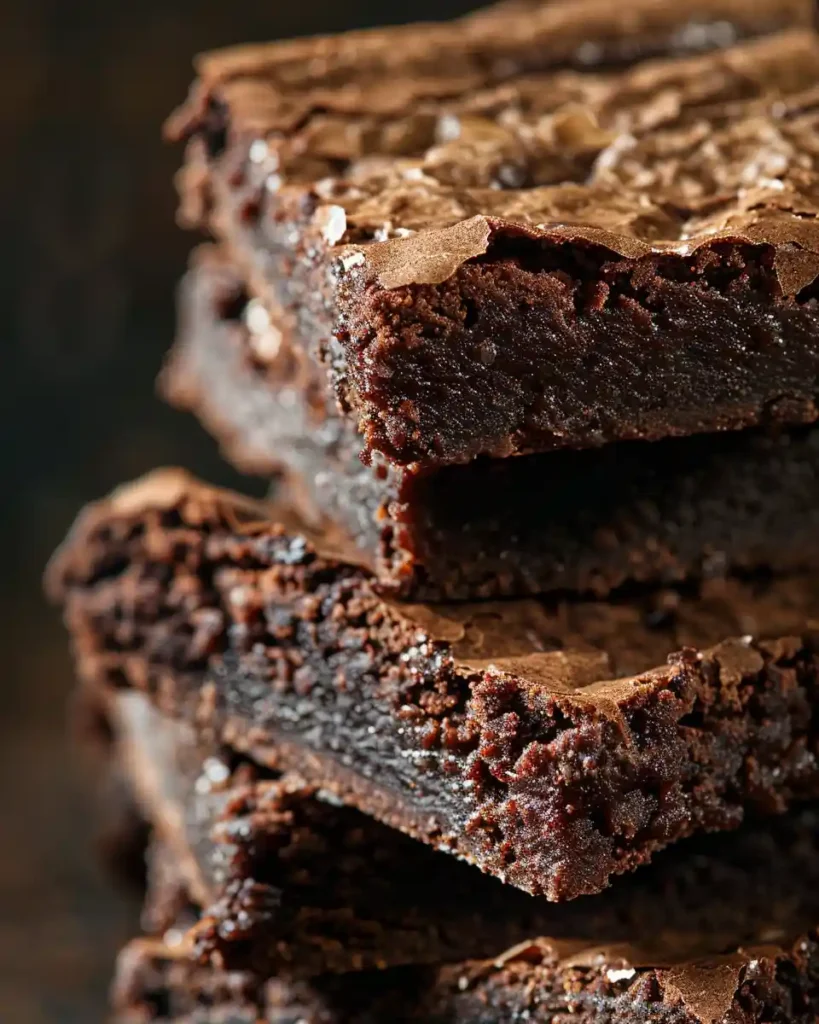
The list of things you can bake and cook with good baking cocoa powder is honestly one of the most satisfying in the kitchen. Here is what belongs in your regular rotation:
Classic baked goods: Brownies, birthday cakes, chocolate layer cakes, Bundt cakes, loaf cakes, flourless chocolate cakes, double chocolate cookies, and black velvet cupcakes all rely on baking cocoa powder for their character.
Frostings and fillings: Chocolate buttercream, whipped ganache, cocoa glaze, and chocolate cream fillings all come alive with a good-quality baking cocoa powder especially Dutch-process for its smoothness.
Drinks and savory uses: Homemade hot cocoa, chocolate fudge sauce, mole, chili with a hit of cacao, and barbecue rubs. The savory applications genuinely surprise people, but natural cocoa or cacao powder adds a deep, earthy richness to meat dishes and sauces that is special.
Speaking of bold, creative bakes, our Strawberry Cheesecake Tacos and S’mores Girl Scout Cookies are two recipes worth bookmarking if you love playful chocolate desserts.
How to Shop for the Best Baking Cocoa Powder
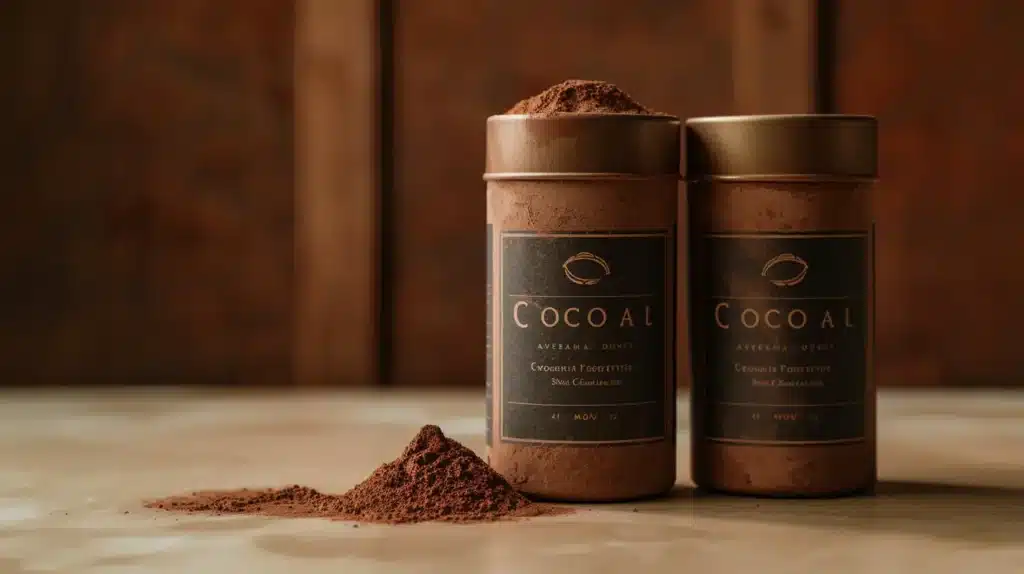
The first decision when shopping for baking cocoa powder is which type you need natural or Dutch-process. Match it to your recipe’s leavening agent, as covered above. Once that is sorted, a few other things are worth checking on the label.
Price is not always a reliable guide to quality. Higher-priced cocoa powders sometimes use beans with a higher natural fat content, which can mean a richer flavor. But inexpensive options consistently hold their own in real baking tests. Baking cocoa powder Aldi is a genuinely good everyday option the Aldi cocoa powder price is typically one of the lowest you will find, usually under $2 for a standard tin, and the quality is solid for all everyday baking needs.
If ethical sourcing matters to you, look for fair trade and organic certifications. The Fair Trade Certified chocolate shopping guide is the easiest starting point. Brands like TCHO natural cocoa powder and Valrhona carry these certifications and source their cacao responsibly.
Whatever brand you choose, always check the ingredient list. Pure baking cocoa powder should contain 100% cocoa with nothing added no sugar, no anti-caking agents, no stabilizers, no milk solids. One ingredient: cocoa.
Is Baking Cocoa Powder Healthy?
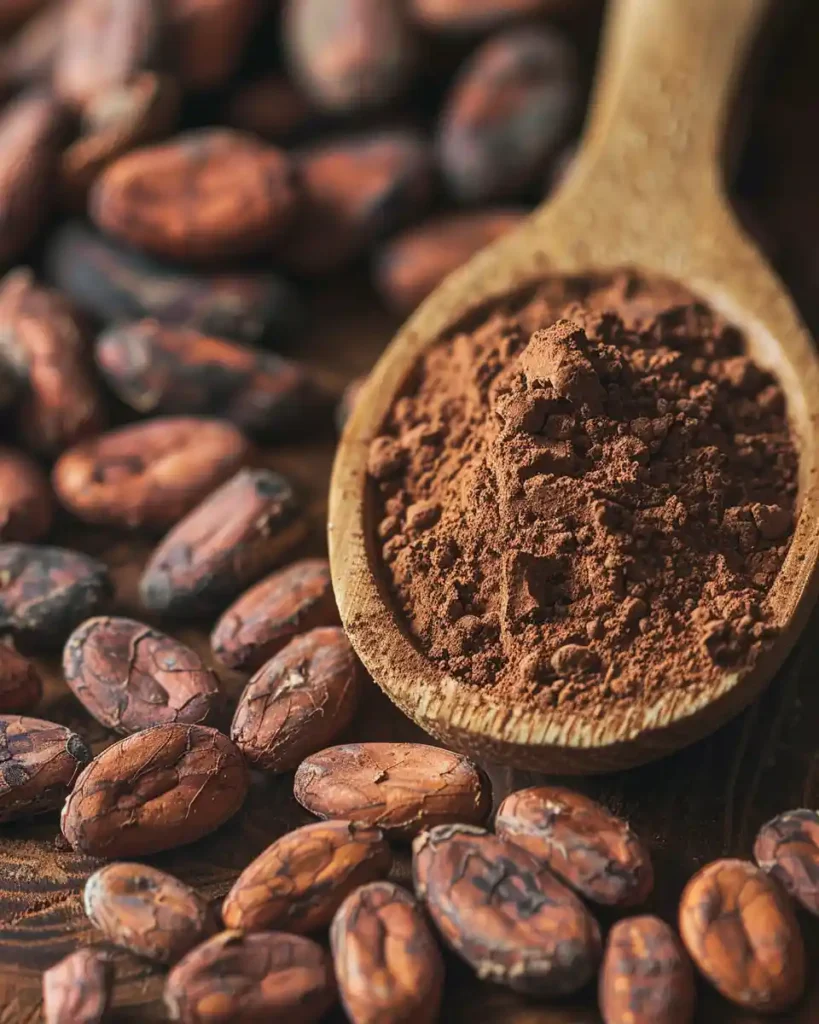
Pure, unsweetened baking cocoa powder is one of the more nutrient-dense ingredients you can keep in your pantry. It is rich in flavanols natural plant compounds found in cacao beans that have been linked to cardiovascular health. In 2023, the FDA officially announced a qualified health claim for cocoa flavanols, recognizing that a daily intake of at least 200 mg may reduce the risk of cardiovascular disease. You can read the full scientific review in the FDA cocoa flavanols petition PDF.
Cocoa powder also provides magnesium, iron, zinc, and a small amount of fiber. It is naturally low in calories and very low in fat after the cocoa butter is removed. These benefits apply only to 100% unsweetened baking cocoa powder sweetened cocoa mixes and hot chocolate packets are a completely different product.
If you enjoy wellness-focused ingredients in your daily routine, you might also love our Golden Milk recipe and Dr. Axe Secret Detox Drink two nourishing drinks built around powerful pantry ingredients, just like pure cocoa powder.
Baking Cocoa Powder at Walmart, Aldi, and Costco
Baking cocoa powder is easy to find and genuinely affordable at most major retailers. Here is a practical breakdown so you know exactly where to shop:
Baking cocoa powder at Walmart: Walmart carries a wide range from Hershey’s natural cocoa to Ghirardelli baking cocoa powder and store brands. Prices start around $3 to $4 for a standard tin. Shop in store or browse baking cocoa powder at Walmart online for delivery or pickup.
Baking cocoa powder at Aldi: Aldi’s own-brand cocoa powder is one of the best budget buys in any grocery store. The Aldi cocoa powder price is typically under $2 for a decent tin of natural unsweetened cocoa powder clean ingredient list, solid flavor, perfect for everyday brownies and cakes. If your local Aldi carries it, stock up.
Baking cocoa powder at Costco: Yes, Costco does carry baking cocoa powder, though availability varies by location and season. They typically stock larger-format tins often Ghirardelli or their Kirkland Signature label at a low cost-per-ounce that is hard to beat for households that bake regularly. Worth checking your local warehouse or the Costco website for current stock.
Baking Cocoa Powder vs Cocoa Powder: Is There Actually a Difference?
This question comes up all the time, and the honest answer is: they are essentially the same product. The terms “baking cocoa powder” and “cocoa powder” are used interchangeably in most contexts, and both refer to pure, unsweetened cocoa made from pressed cocoa solids.
The distinction that actually matters is between natural versus Dutch-process not between “baking cocoa” and “cocoa.” When a recipe simply says “cocoa powder,” it almost always means natural, unsweetened baking cocoa powder. When in doubt, go natural. It is the more forgiving default in most standard recipes.
More Recipes You Will Love From Taste Our Dish
If this guide sparked some baking inspiration, here are some of our favorite recipes that pair beautifully with great baking cocoa powder or celebrate bold, real pantry ingredients:
Mexican Chocolate Cake a spiced, deeply chocolatey cake that showcases exactly what quality baking cocoa powder can do.
Blueberry Cinnamon Rolls a beautiful bake that uses the same careful pantry-ingredient thinking as cocoa powder baking.
Soft Gooey Homemade Cinnamon Rolls proof that simple pantry staples always deliver the most satisfying results.
Best Peanut Butter Cookies a classic that pairs perfectly with a dusting of Dutch-process cocoa for a chocolate-peanut butter twist.
S’mores Girl Scout Cookies a crowd-pleasing chocolate cookie that relies entirely on quality cocoa for its rich, deep flavor.
Vegan Oatmeal Cookies try adding two tablespoons of natural baking cocoa powder to the batter for a beautiful chocolate oatmeal version.
Fluffy Banana Cottage Cheese Pancakes a lighter breakfast bake where a spoonful of cocoa powder in the batter creates a wonderful chocolate banana version.
How to Make Dubai Chocolate if you love working with chocolate in creative ways, this viral recipe is a must-try.
Dubai Chocolate Ingredients Explained a helpful guide to understanding premium chocolate components, which pairs naturally with understanding cocoa powder types.
Flan Recipe a gorgeous classic dessert where a cocoa powder dusting on the plate makes a stunning presentation finish.
Frequently Asked Questions About Baking Cocoa Powder
Is baking cocoa the same as cocoa powder?
Yes, in almost every practical situation. “Baking cocoa powder” and “cocoa powder” refer to the same product: pure, unsweetened cocoa made from pressed cocoa solids. The meaningful distinction is between natural cocoa powder (acidic, for baking soda recipes) versus Dutch-process (alkalized, for baking powder recipes). What is never the same as baking cocoa powder is hot cocoa mix or sweetened drinking chocolate those have added sugar and will ruin a baking recipe if used as substitutes.
What can I substitute for baking cocoa powder?
The best substitute depends on your recipe. For every 3 tablespoons of baking cocoa powder, you can use 1 ounce (28g) of unsweetened baking chocolate just reduce the fat in your recipe by 1 tablespoon to account for the cocoa butter. Carob powder is a caffeine-free alternative with a slightly sweeter, earthier flavor and is a popular swap in health-focused recipes. Cacao powder works in a pinch but will produce a more bitter result. Always keep leavening compatibility in mind: natural cocoa substitutes stay acidic for baking soda recipes, while Dutch-process substitutes should remain neutral.
Is baking cocoa healthy?
Pure, unsweetened baking cocoa powder is genuinely nutritious. It is rich in flavanols that the FDA has officially recognized may support cardiovascular health when consumed at a minimum of 200 mg of cocoa flavanols daily. It also provides magnesium, iron, zinc, and fiber, and is naturally low in calories and fat. These benefits apply specifically to 100% unsweetened baking cocoa powder not sweetened cocoa mixes or hot chocolate packets. If you enjoy other nutrient-rich kitchen staples, explore our Kombucha Health Benefits guide and Golden Milk recipe for more pantry-powered wellness ideas.
Does Costco carry baking cocoa?
Yes, Costco does carry baking cocoa powder, though stock varies by location and time of year. They typically offer large-format tins often Ghirardelli or Kirkland Signature at a low cost-per-ounce that is excellent value for households that bake regularly. If Costco is out of stock, both baking cocoa powder Walmart and baking cocoa powder Aldi are reliable, affordable alternatives available year-round. For other pantry staples worth buying in bulk, check out our Costco Fruit Smoothie recipe for more Costco-smart kitchen ideas.
The Right Baking Cocoa Powder Makes All the Difference
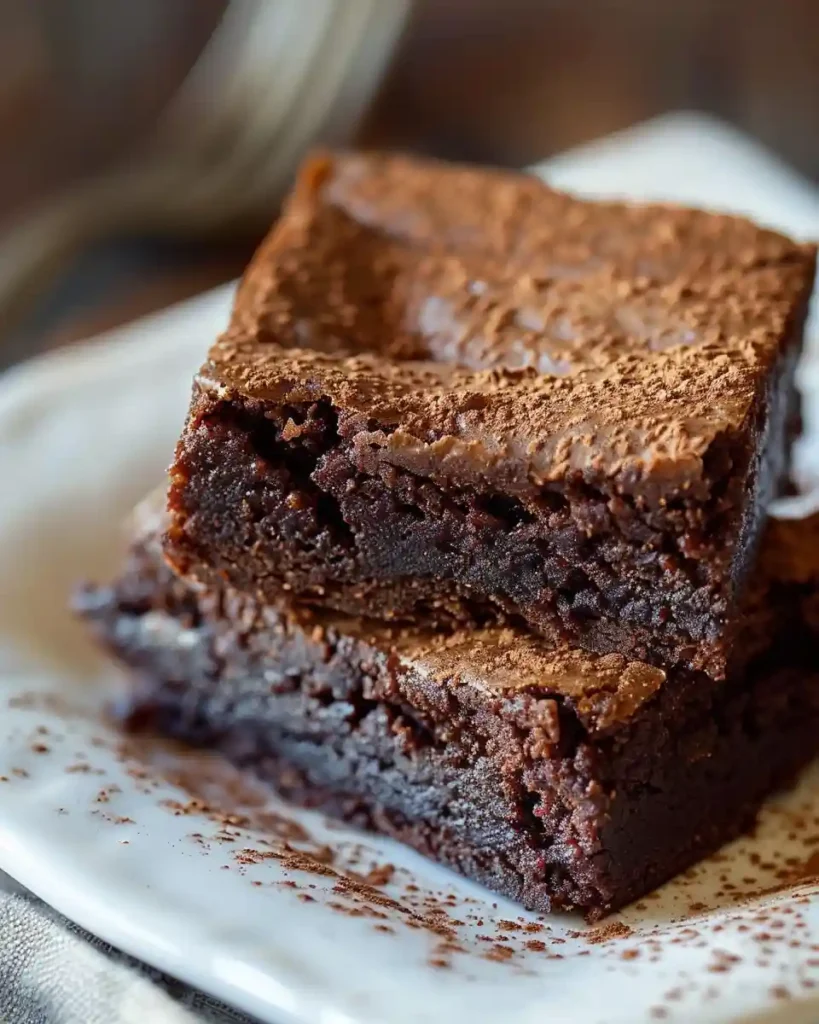
Once you understand the difference between natural, Dutch-process, black, and cacao powder, choosing the right baking cocoa powder becomes second nature. Natural cocoa with baking soda. Dutch-process with baking powder. Black cocoa when you want drama. Cacao when you want raw nutrition or a savory depth. And never, ever hot cocoa mix in a cake batter.
Get yourself a good tin of each, store them properly in your pantry, and your chocolate bakes will be better every single time. That dark, fragrant batter that smells incredible before it even hits the oven? That is what choosing the right baking cocoa powder actually looks like in practice.
Have you ever grabbed the wrong cocoa powder and had a bake go sideways? Tell me in the comments I promise you are absolutely not alone. And if this guide helped you, share it with a fellow baker who deserves better brownies. For more real-kitchen guides and easy recipes, explore everything we are making at Taste Our Dish Recipes.