Learn how to use gelatin powder with this simple guide covering blooming, dissolving, setting times, and troubleshooting perfect for desserts, stabilized cream, and healthy recipes.
Table of Contents
Table of Contents
Why Gelatin Powder Deserves a Spot in Your Kitchen
The first time I pulled a pan of homemade panna cotta from my fridge, I felt like a kitchen magician. That smooth, silky wobble? Pure gelatin magic. But getting there wasn’t automatic I’d already wasted two batches learning the hard way that gelatin powder isn’t just “add and stir.” It demands respect: the right temperature, the right timing, and one crucial step called blooming that nobody warns you about until it’s too late.
Unflavored gelatin powder is one of those ingredients that intimidates home cooks unnecessarily. Once you understand the basics sprinkle, bloom, dissolve, chill you unlock everything from stabilized whipped cream that lasts days to gelatin trick recipes for weight loss that deliver protein and fullness without sugar. This guide walks you through exactly how to use gelatin powder every single time, with real kitchen-tested tips that actually work.
What is Gelatin Powder?
Gelatin powder is a flavorless, colorless protein derived from animal collagen typically from the skin, bones, and connective tissue of cows or pigs. When dry, it’s brittle and granular. When hydrated and chilled, it transforms into that signature jiggly, rubbery texture we associate with Jell-O and panna cotta.
Unlike agar agar (a plant-based gelling agent made from seaweed), gelatin sets at cooler temperatures and creates a melt-in-your-mouth texture rather than a firm, sliceable gel. It’s packed with amino acids like glycine and proline, which support gut health, joint function, and skin elasticity making it popular in both cooking and wellness circles.
You’ll find unflavored gelatin powder in most grocery store baking aisles, usually near flavored Jell-O boxes. Brands like Knox come in individual packets (about 2½ teaspoons each), while beef gelatin powder from grass-fed sources like Great Lakes or Vital Proteins is available in bulk canisters for serious bakers and health enthusiasts.
Gelatin Powder Benefits: More Than Just Dessert
Gelatin powder uses extend far beyond wobbly desserts. Here’s why this ingredient earns its shelf space:
Supports joint health: Collagen-derived amino acids help rebuild cartilage and reduce inflammation
Improves skin elasticity: Regular consumption boosts collagen production for firmer, hydrated skin
Aids digestion: Gelatin coats the gut lining, soothing irritation and supporting digestive enzyme function
Promotes satiety: Protein-rich gelatin expands in the stomach, helping control appetite perfect for bariatric gelatin recipes
Stabilizes dairy: Keeps whipped cream fluffy for days and prevents mousse from deflating
If you’re exploring gelatin powder for face masks or DIY beauty treatments, the same unflavored powder works topically to tighten pores temporarily (though dietary consumption delivers deeper collagen benefits).
How to Bloom Gelatin Powder (The Critical First Step)
Blooming gelatin powder is the non-negotiable foundation for success. Skip this step, and you’ll get clumps of rubbery gelatin floating in your dessert trust me, I’ve been there.
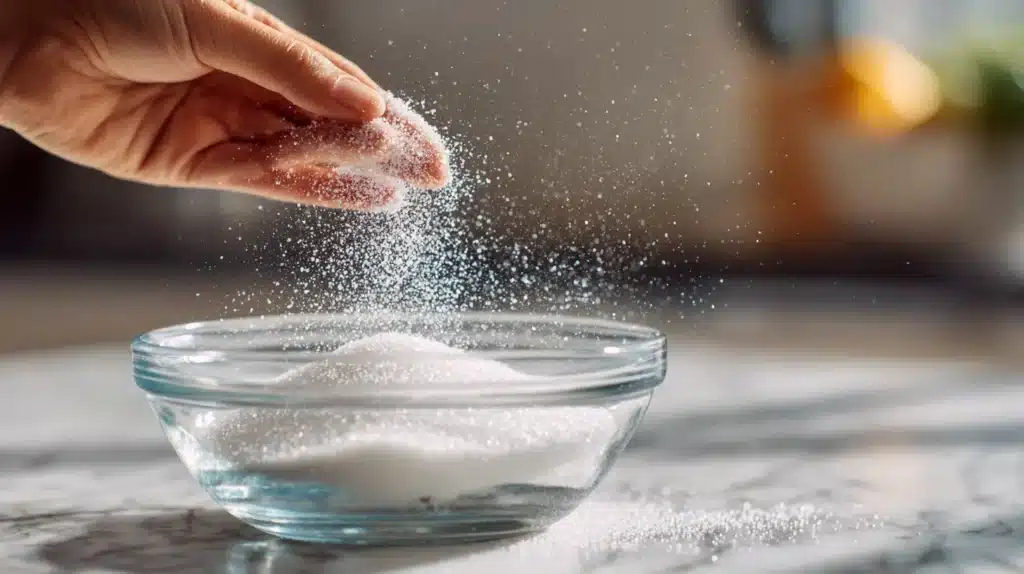
Step 1: Measure and Sprinkle
Pour ¼ cup (60 ml) cold water into a small bowl. Sprinkle 1 package (2½ tsp) gelatin powder evenly over the surface. The key word here is sprinkle don’t dump it in a clump, or the powder in the center won’t hydrate properly.
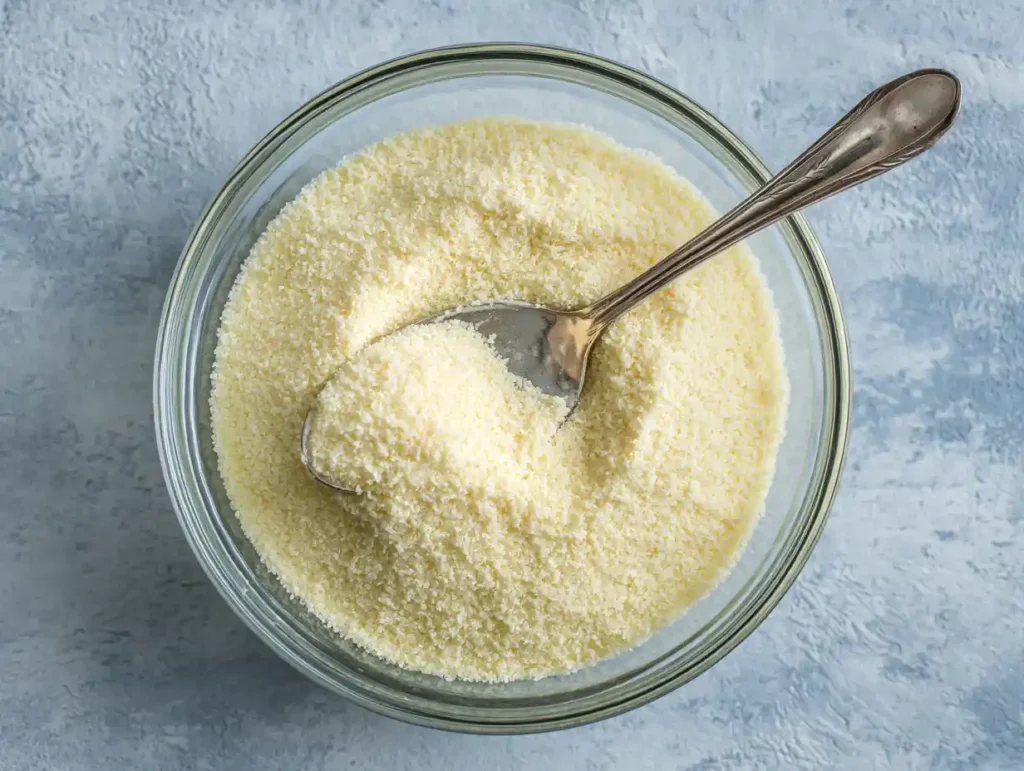
Step 2: Wait and Watch
Let the mixture sit undisturbed for 5-10 minutes. You’ll see the powder absorb the water and swell into a thick, spongy mass. This is blooming in action the gelatin granules are hydrating and softening, preparing to dissolve smoothly when heated.
Step 3: Dissolve with Gentle Heat
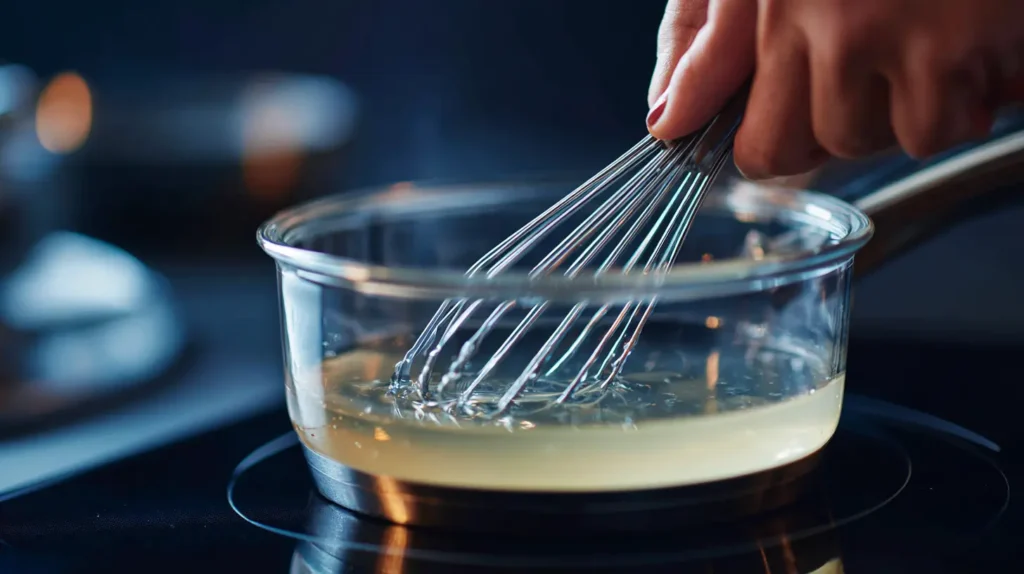
Once bloomed, heat the gelatin gently over low heat on the stove (or microwave in 10-second bursts) until it becomes completely liquid again. Stir until no granules remain. Now it’s ready to mix into your recipe.
Pro tip: Never add gelatin directly to boiling liquid. Temperatures above 212°F break down gelatin’s protein structure, weakening its gelling power and leaving you with a sad, soupy mess instead of a firm set.
Gelatin Powder Recipes: What You Can Make
Once you master blooming, a world of gelatin powder recipes opens up:
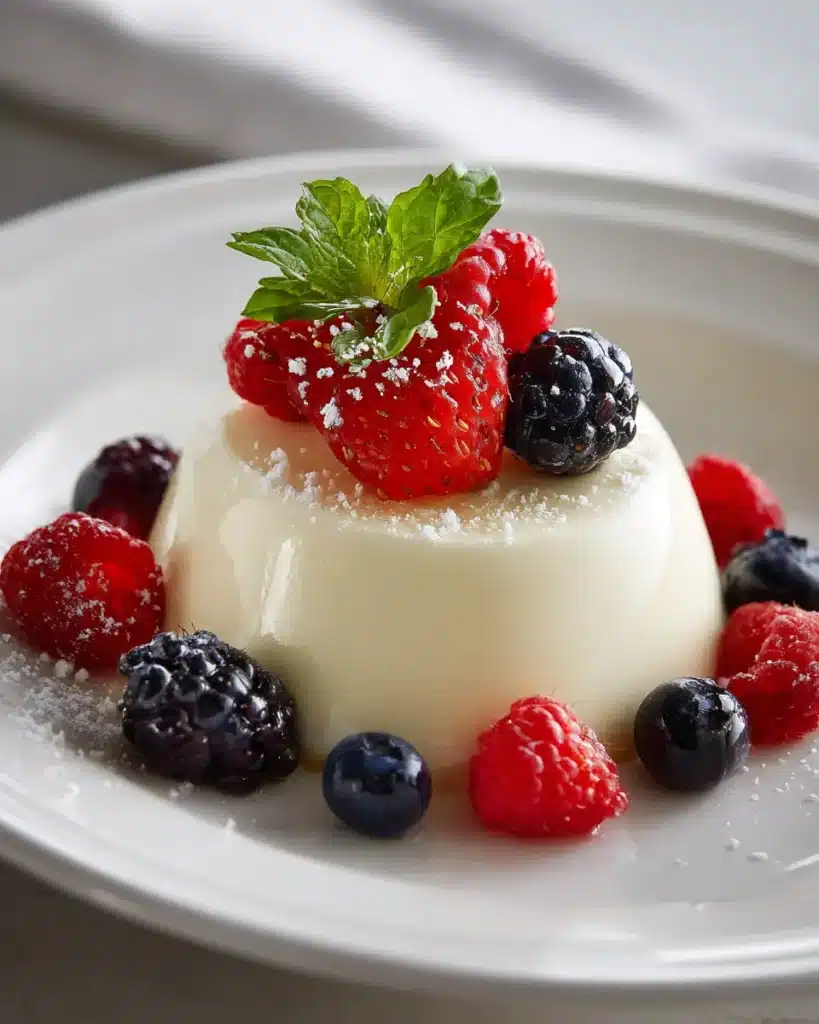
Classic Panna Cotta
Silky Italian cream dessert that wobbles elegantly on the plate infuse with vanilla, coffee, or citrus zest for endless variations.
Pink Gelatin Recipes
Add fresh berry juice or hibiscus tea for naturally colored, Instagram-worthy treats that taste as good as they look.
Dr. Jennifer Ashton Gelatin Trick Recipe
Pre-meal gelatin cubes made with green tea or herbal infusions supports appetite control and weight management naturally.
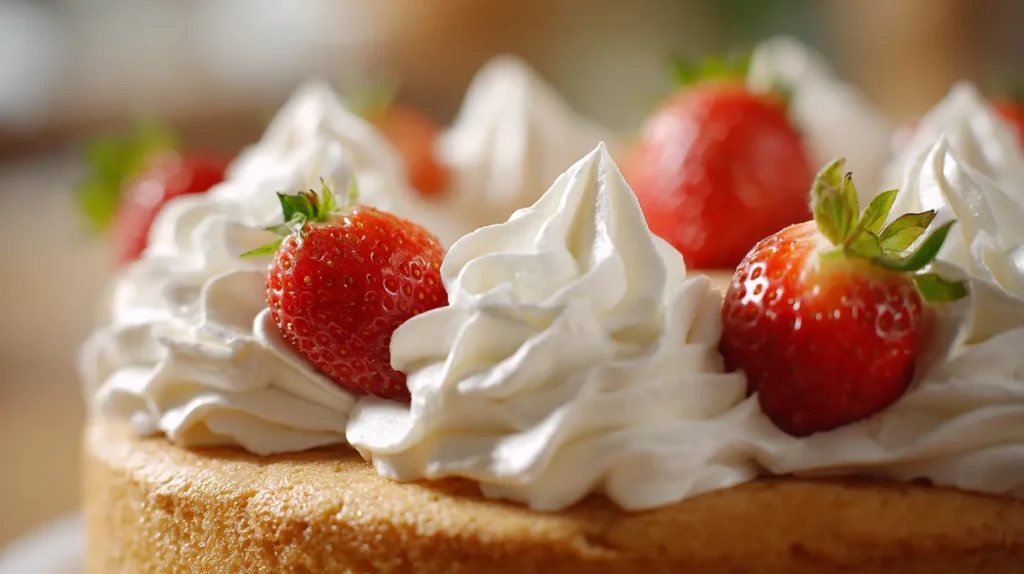
Stabilized Whipped Cream
Mix dissolved gelatin into whipped cream to keep it fluffy and pipeable for days without weeping or deflating (essential for decorated cakes).
Marshmallows
Gelatin gives homemade marshmallows that signature soft-and-squishy texture flavored with vanilla, peppermint, or matcha for gourmet twists.
3-Ingredient Gelatin Recipe
Simplest base for customizing with your favorite flavors, from green tea gelatin to Dr. Oz gelatin guide wellness shots.
How Long Does Gelatin Powder Take to Set?
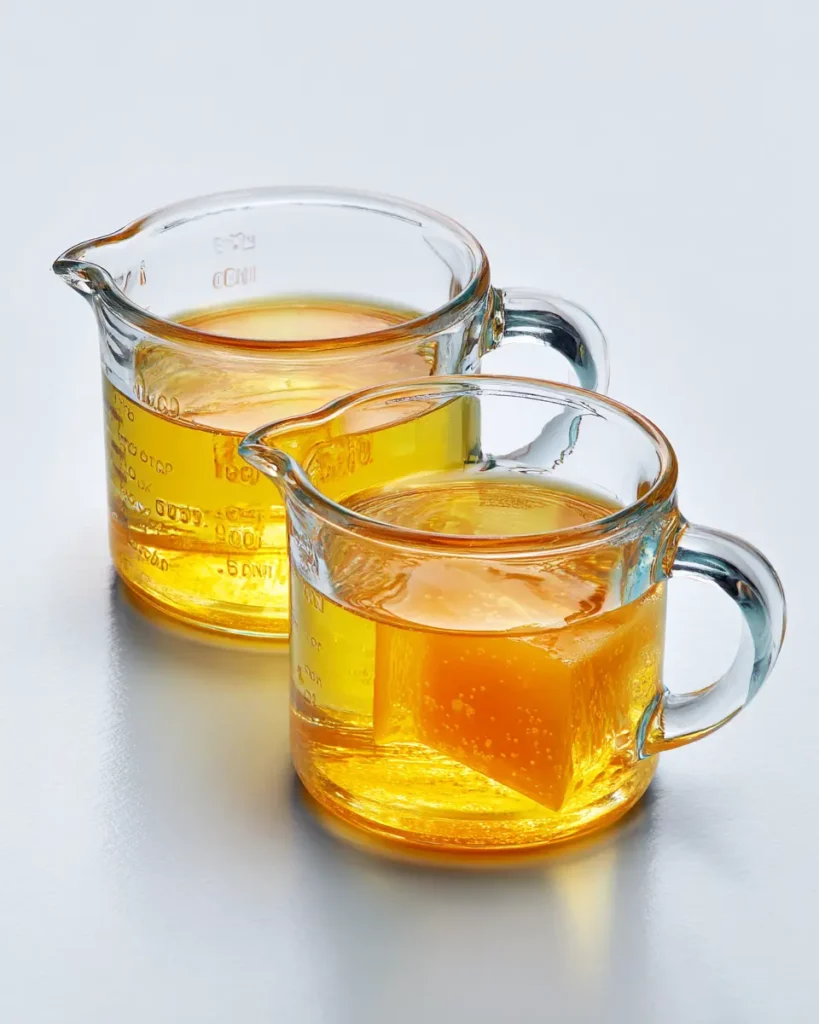
After mixing dissolved gelatin into your recipe, transfer it to the refrigerator. Setting time is approximately 4-6 hours, though this varies based on:
Temperature: Colder fridges (35-38°F) set faster than warmer ones
Liquid ratio: More liquid = longer set time; less liquid = firmer, faster set
Container size: Shallow pans set quicker than deep molds
For best results, let gelatin-based desserts chill overnight. This ensures a firm, clean-cutting texture perfect for slicing into cubes or unmolding without cracking.
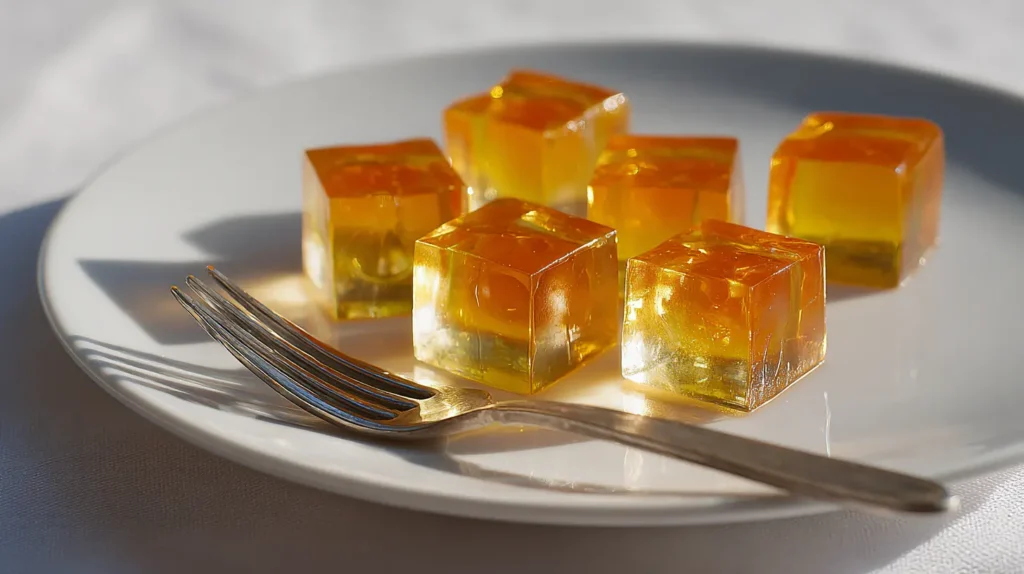
Standard ratio: 1 package (2½ tsp) gelatin powder sets 2 cups liquid firmly. For a softer, spoonable consistency, increase to 3 cups liquid per package.
Gelatin Powder for Baking: Tips and Tricks
Using gelatin powder for baking requires a few extra considerations:
Don’t Reduce Sugar in Recipes
Gelatin is a protein, and sugar interacts with those proteins to create shorter chains resulting in softer, more tender desserts. Cutting sugar too much can make your gelatin rubbery and tough, especially in marshmallows or jellies.
Never Boil
Once gelatin is dissolved, keep it away from high heat. Above 212°F, the protein bonds break down permanently, and your dessert won’t set properly.
Bloom in Cold Liquid Only
The initial hydration step must happen in cold liquid (room temperature or cooler). Trying to bloom gelatin in warm or hot liquid causes instant clumping.
Mix Thoroughly
When adding dissolved gelatin to a recipe, pour it slowly while whisking constantly. This prevents stringy clumps from forming as the gelatin cools and begins to set.
Gelatin Powder Substitute: What Works?
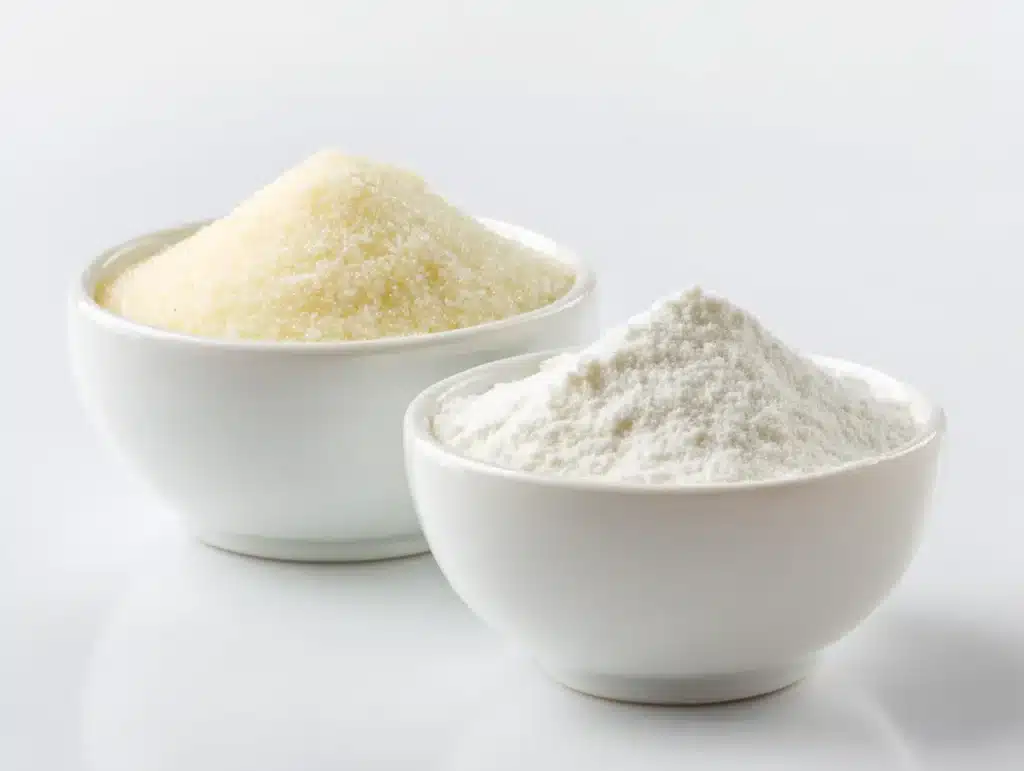
If you need a gelatin powder substitute due to dietary restrictions or ingredient availability, here are your options:
Agar Agar Powder
Plant-based alternative derived from seaweed; sets firmer and doesn’t melt at room temperature like gelatin. Use 1 teaspoon agar powder = 1 tablespoon gelatin powder. Perfect for vegan desserts, though texture is less creamy.
Pectin
Fruit-derived gelling agent commonly used in jams and jellies; requires sugar and acid to activate. Best for preserves, not cream-based desserts.
Carrageenan
Seaweed extract used commercially in dairy products; less common for home use but available in health food stores.
Cornstarch or Arrowroot
Thickens but doesn’t gel; suitable for puddings and sauces but won’t create the signature wobble of gelatin.
For best gelatin powder for health, look for grass-fed, pasture-raised sources like Vital Proteins or Great Lakes these contain higher-quality collagen and fewer additives than conventional Knox gelatin.
Where to Buy Gelatin Powder (and What to Look For)
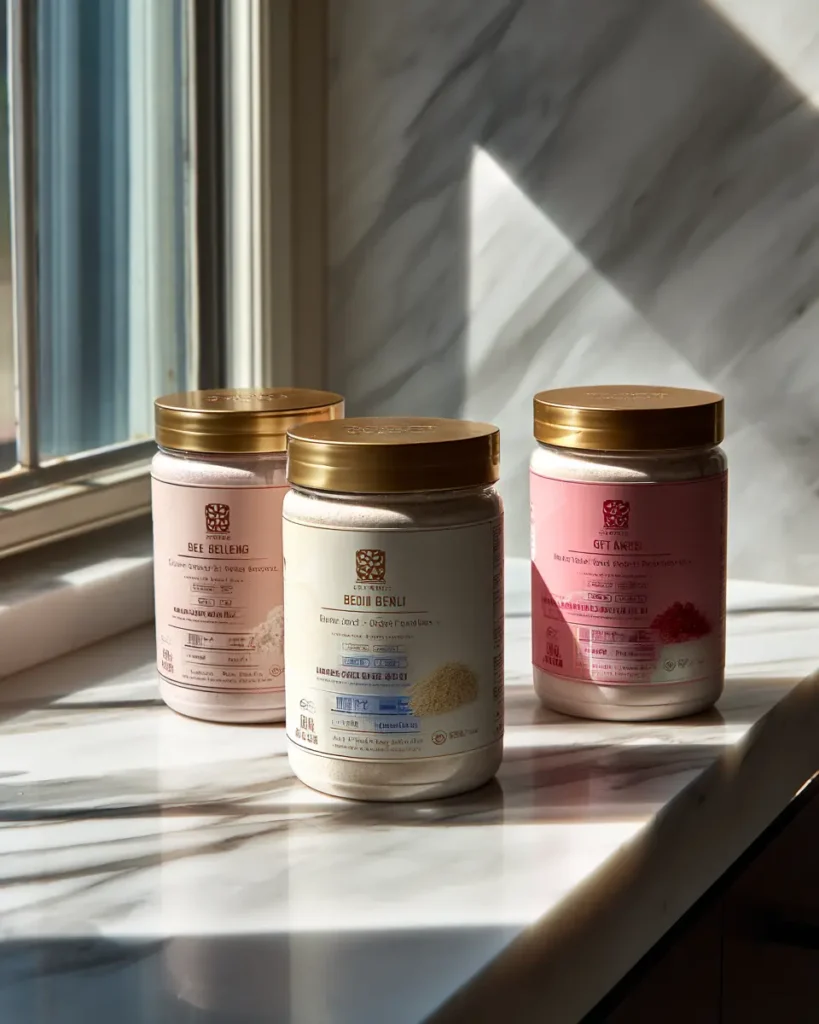
Where to buy gelatin powder depends on your needs:
Grocery Stores
Knox unflavored gelatin packets are stocked in most supermarkets’ baking aisles, usually near flavored Jell-O. Convenient for occasional use.
Health Food Stores & Online
Grass-fed gelatin powder from brands like Great Lakes, Vital Proteins, or Sports Research offers superior quality look for “pasture-raised” or “organic” labels. Available at Whole Foods, Thrive Market, or Amazon.
Bulk Options
If you’re making gelatin powder recipes regularly (or experimenting with gelatin diet recipes or gelatin drink for metabolism boost), buy in bulk canisters for better value.
What to Avoid
Skip pre-sweetened or flavored gelatin (like Jell-O) for recipes requiring neutral taste. Also avoid “instant gelatin” or “collagen peptides” when you need gelling power these dissolve in cold liquid but won’t set.
Troubleshooting: Why Didn’t My Gelatin Powder Set?
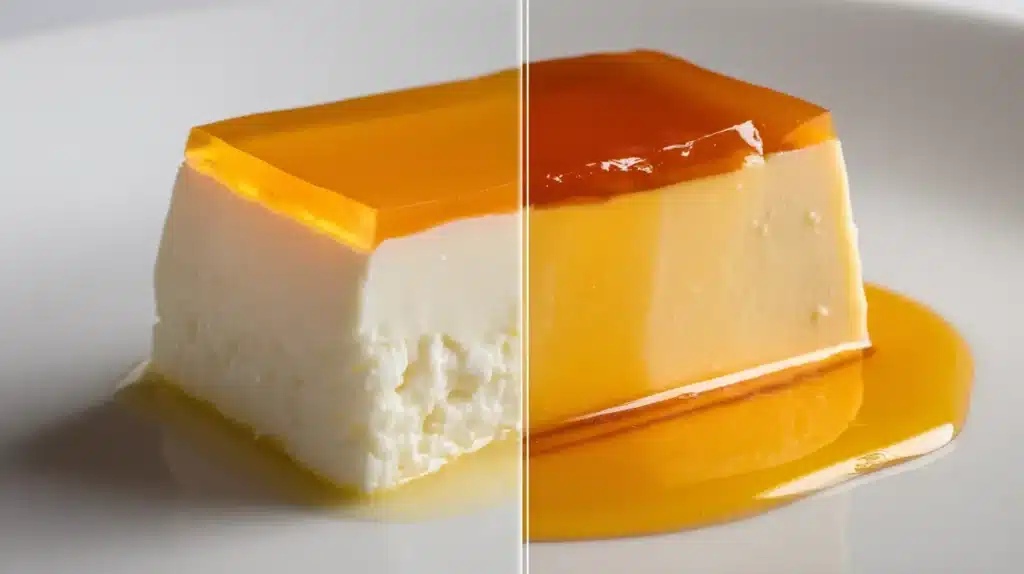
Gelatin didn’t set firm:
Used too much liquid per packet (remember: 1 packet = 2 cups for firm set, 3 cups for soft)
Added gelatin to boiling liquid, breaking down proteins
Didn’t refrigerate long enough (give it overnight)
Gelatin tastes rubbery or tough:
Reduced sugar too much in the recipe
Used excess gelatin for the liquid amount
Clumpy bits of gelatin floating:
Didn’t bloom properly before dissolving
Added gelatin too quickly without whisking
Gelatin won’t dissolve:
Liquid wasn’t hot enough (needs at least 160°F to fully dissolve)
Blooming step was skipped
FAQs About How to Use Gelatin Powder
What is gelatine powder?
Gelatin powder (or gelatine in British spelling) is a flavorless protein extracted from animal collagen, used to thicken and set desserts, stabilize dairy, and add protein to beverages. It’s sold unflavored in packets or bulk containers.
Are Jell-O and gelatin the same thing?
No. Jell-O is a brand of pre-flavored, pre-sweetened gelatin dessert mix. Unflavored gelatin powder (like Knox) contains only pure gelatin with no added sugar, flavoring, or coloring ideal for recipes where you control the taste.
What is the healthiest form of gelatin?
Grass-fed beef gelatin powder from pasture-raised animals (brands like Vital Proteins, Great Lakes, or NuNaturals unflavored gelatin powder) offers the highest quality collagen, free from hormones, antibiotics, and artificial additives.
Is gelatin from pigs or cows?
Both. Most unflavored gelatin powder comes from beef (cow) or pork (pig) sources. Beef gelatin powder is more common in health-focused brands, while Knox uses mixed sources. For kosher or halal diets, seek certified beef-only gelatin or fish gelatin alternatives.
Final Thoughts: Mastering How to Use Gelatin Powder Opens Endless Possibilities
Learning how to use gelatin powder transforms your kitchen confidence. That first successful panna cotta, the whipped cream that stays perfect on your birthday cake for two days, the gelatin trick recipe to lose weight that actually curbs your appetite these aren’t magic. They’re the result of understanding three simple steps: bloom, dissolve, and chill.
Whether you’re experimenting with bariatric gelatin recipes, crafting elegant pink gelatin recipes for a party, or exploring wellness applications like Dr. Mark Hyman gelatin recipe, the technique stays the same. Respect the bloom, avoid the boil, and give it time to set.
Now go make something jiggly, creamy, or stabilized your kitchen deserves it.
Have questions about using gelatin powder? Drop them in the comments below I’d love to help troubleshoot!
Print
How to Use Gelatin Powder: Simple Guide for Perfect Results
- Total Time: 7 minutes
- Yield: Enough for 2 cups liquid
Description
Simple, foolproof method for blooming and dissolving gelatin powder—works for any recipe requiring unflavored gelatin, from desserts to wellness drinks.
Ingredients
¼ cup (60 ml) cold water
1 package (2½ tsp) unflavored gelatin powder
Instructions
1. Pour cold water into a small bowl.
2. Sprinkle gelatin evenly over the water surface. Do not stir.
3. Let sit undisturbed for 5-10 minutes until thick and spongy.
4. Heat gently over low stove heat or microwave in 10-second bursts until fully liquid.
5. Mix into your recipe immediately while still warm.
Notes
Never add gelatin to boiling liquid (above 212°F)
Initial blooming must be done in cold water
Gelatin never expires if stored in a cool, dry place
Use grass-fed gelatin for best health benefits
- Prep Time: 2 minutes
- Cook Time: 5 minutes
- Category: Technique
- Method: Chilling
- Cuisine: Universal
Nutrition
- Serving Size: 1 bloomed package
- Calories: 23
- Sugar: 0g
- Sodium: 10mg
- Fat: 0g
- Saturated Fat: 0g
- Unsaturated Fat: 0g
- Trans Fat: 0g
- Carbohydrates: 0g
- Fiber: 0g
- Protein: 6g
- Cholesterol: 0mg