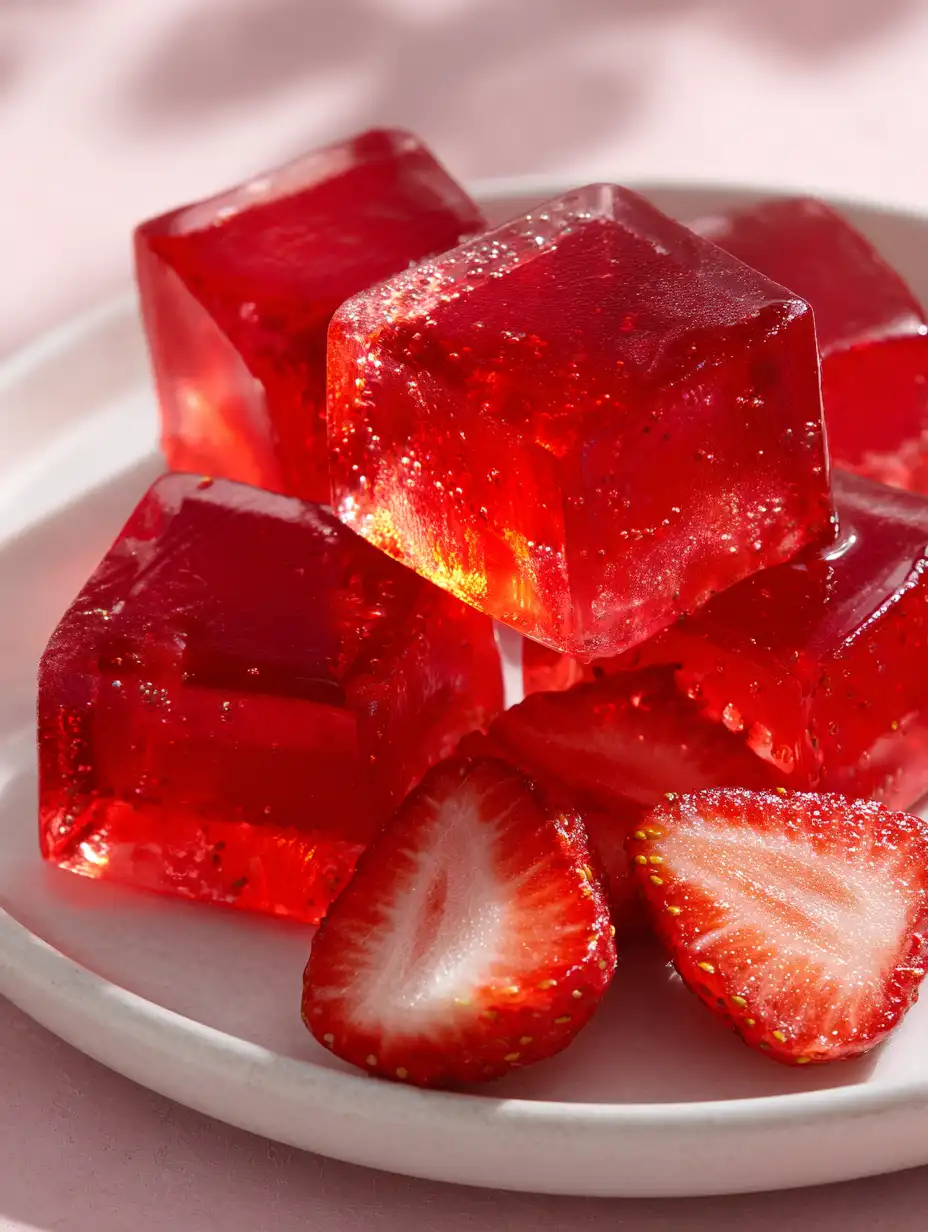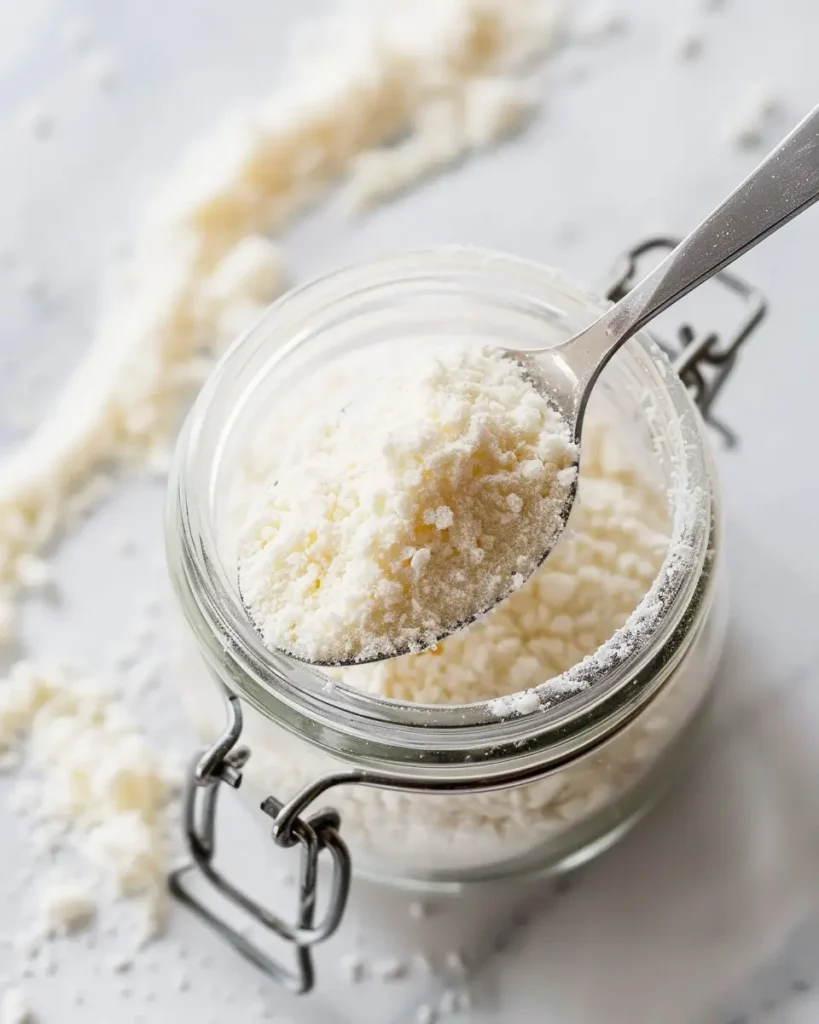
Eating gelatin before bed might sound unusual, but the glycine it contains can support your metabolism, improve sleep quality, and help manage nighttime blood sugar—all while you rest.
I’ll admit, when I first heard about eating gelatin cubes before bed for metabolism support, I was skeptical. It seemed too simple. But after digging into the science behind glycine—the star amino acid in gelatin—and trying it myself with a small bowl of Dr Jennifer Ashton gelatin trick recipe about two hours before sleep, something clicked. I woke up feeling more rested, less puffy, and genuinely less hungry in the morning.
The secret isn’t magic—it’s biochemistry. Glycine, which makes up about 30% of gelatin’s protein content, plays a fascinating role in how your body manages energy, repairs muscle, and regulates blood sugar overnight. Let me walk you through what I’ve learned, how it works, and how you can use this simple trick in your own kitchen.
Table of Contents
Table of Contents
What Is Glycine in Gelatin and Why Does It Matter for Metabolism?
The Amino Acid Your Body Needs at Night
Glycine is what scientists call a “glucagonogenic” amino acid. That’s a fancy way of saying it helps your body produce glucagon—a hormone that tells your liver to release stored energy (glucose) into your bloodstream when you need it. Unlike insulin, which stores energy, glucagon mobilizes it, encouraging your body to tap into fat stores for fuel instead of holding onto them.
When you consume gelatin rich in glycine before bed, you’re essentially giving your body a gentle nudge to shift into fat-burning mode overnight. This doesn’t mean you’ll wake up five pounds lighter, but it does support a metabolic environment where your body can repair tissue, balance blood sugar, and use energy more efficiently while you sleep.
If you’re interested in simple ways to support metabolism, you might also like my gelatin drink for metabolism boost guide.
How Glycine in Gelatin Supports Fat Oxidation and Muscle Repair
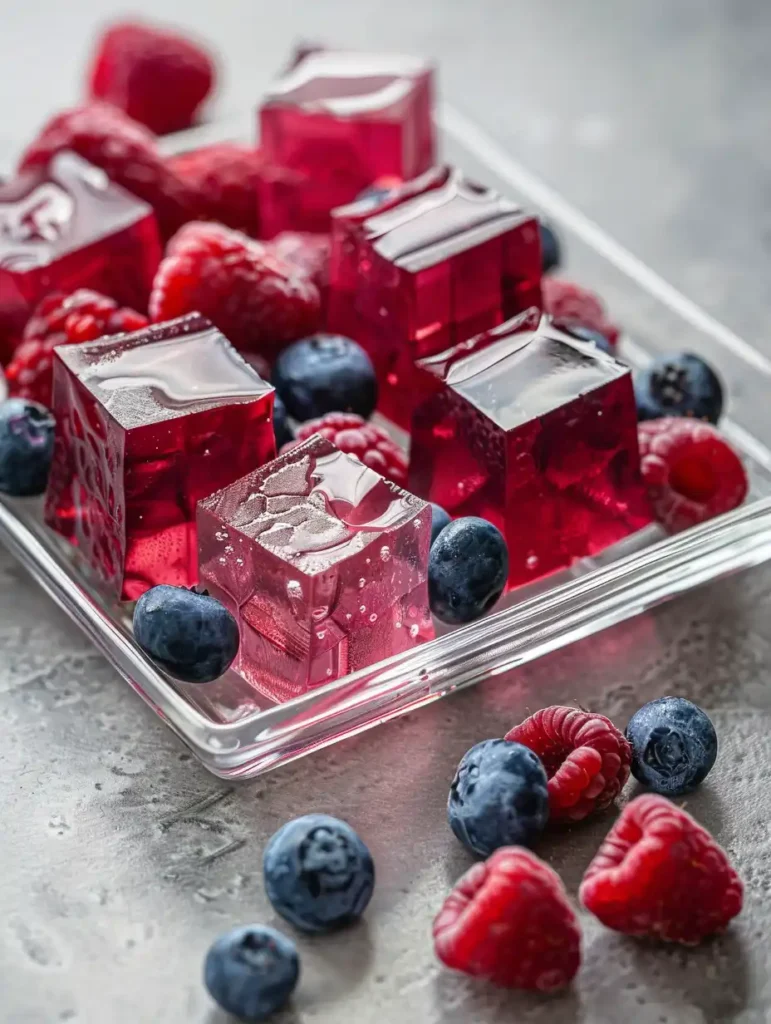
During sleep, your body doesn’t shut down—it shifts gears. Glycine helps facilitate muscle protein synthesis, meaning it supports the repair and rebuilding of muscle tissue you’ve used throughout the day. At the same time, it encourages fat oxidation (burning fat for energy) rather than storing it.
This dual action is why gelatin-based snacks before bed are popular in bariatric and weight management circles. They provide protein without a heavy caloric load, keeping you satisfied without disrupting your body’s natural overnight repair processes. For a more detailed method, check out the gelatin trick recipe to lose weight.
Glycine in Gelatin and Sleep: The Deep Rest Connection
How Glycine Lowers Core Body Temperature for Better Sleep

One of glycine’s lesser-known superpowers is its ability to help lower your core body temperature slightly. This might sound small, but it’s actually a key signal for your brain that it’s time to enter deep, restorative sleep (REM sleep). Studies show that consuming glycine before bed can help you fall asleep faster and spend more time in the deeper stages of sleep where your body does most of its repair work.
Better sleep means lower cortisol (your stress hormone), and lower cortisol means less fat storage—especially around your midsection. So in a way, glycine supports metabolism not just through direct biochemical pathways, but by improving the quality of your rest. If you struggle with sleep, pairing gelatin with a calming bedtime ritual can be a gentle, natural support tool.
For more sleep-supportive recipes, you might enjoy my natural sleep tea with lemon balm.
Why Sleep Quality Matters for Glycine in Metabolism
When you don’t sleep well, your hunger hormones (ghrelin and leptin) get out of balance. Ghrelin tells you to eat more; leptin tells you when you’re full. Poor sleep drives ghrelin up and leptin down, making you hungrier and less satisfied after meals. By supporting deeper, more restful sleep, glycine indirectly helps keep these hormones in check.
Pairing Glycine in Gelatin with Greek Yogurt: A Bedtime Powerhouse
Why Greek Yogurt and Gelatin Work So Well Together
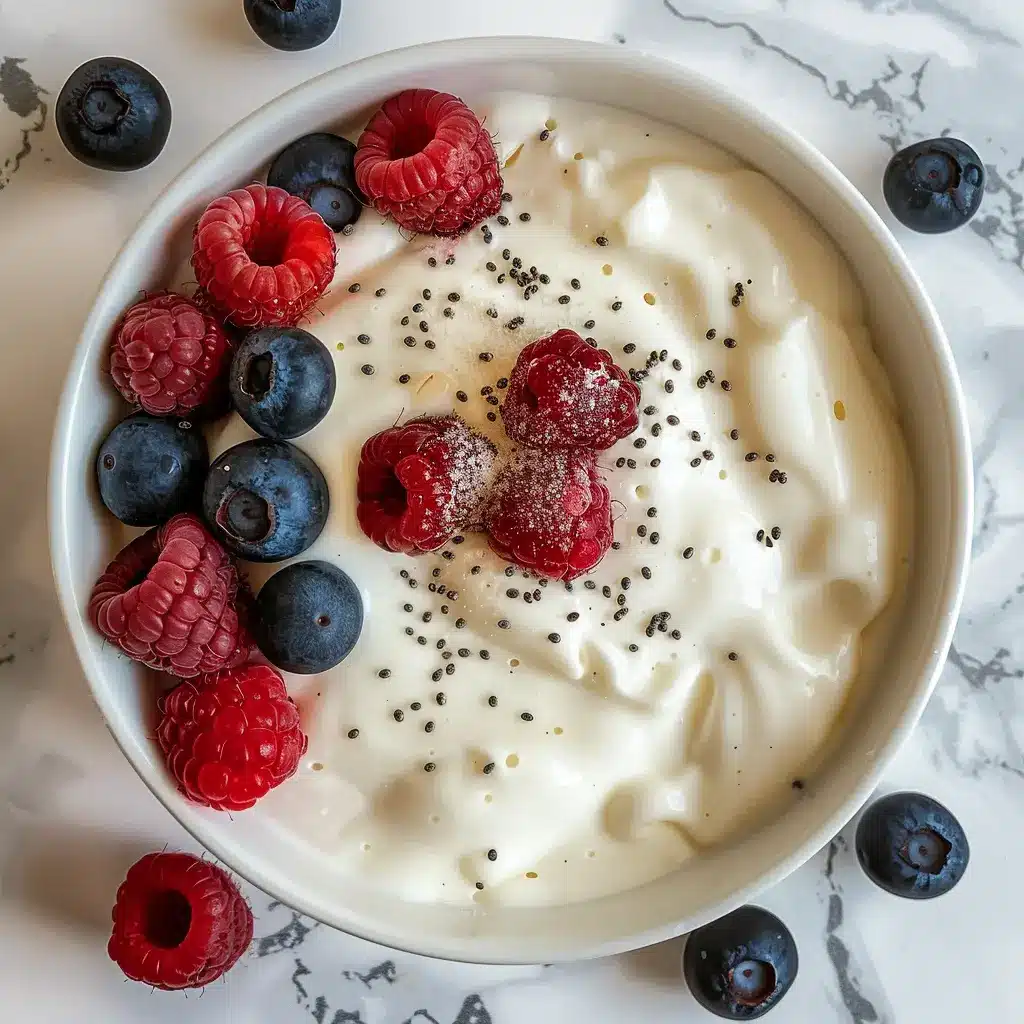
Greek yogurt is rich in casein, a slow-digesting protein that releases amino acids steadily throughout the night. When you combine it with gelatin (which is rich in glycine), you create a balanced, low-calorie snack that delivers sustained protein for muscle repair and glycine for metabolism and sleep support.
I like mixing a teaspoon of unflavored gelatin powder into a small bowl of plain Greek yogurt about two hours before bed. You can add a handful of fresh berries, a drizzle of honey, or a pinch of cinnamon for flavor. It’s creamy, satisfying, and doesn’t leave you feeling heavy or bloated.
If you want a more elaborate version, try the high protein Greek yogurt recipes on the site—they’re simple and delicious.
How Much Gelatin Per Day Should You Use?
For bedtime metabolism support, most people find that 1-2 tablespoons of unflavored gelatin powder (like Knox or Great Lakes) is enough. You can dissolve it in warm herbal tea, mix it into yogurt, or make gelatin cubes ahead of time using my 3 ingredient gelatin recipe.
How much gelatin per day? Generally, 1-2 tablespoons daily is safe and effective for most adults. If you’re new to gelatin, start with one tablespoon and see how you feel.
How much glycine in gelatin? Each tablespoon of gelatin powder contains roughly 2-3 grams of glycine, which is within the range used in sleep and metabolism studies.
Glycine in Gelatin and Blood Sugar Stability
Managing the “Dawn Phenomenon” for Diabetics
If you’ve ever woken up with higher blood sugar than when you went to bed—even though you didn’t eat overnight—you’ve experienced the “dawn phenomenon.” It happens when your liver releases stored glucose into your bloodstream in the early morning hours, preparing your body to wake up.
For people with diabetes or prediabetes, this can be frustrating. Glycine-rich snacks like gelatin before bed can help moderate this process by supporting more stable glucose regulation overnight. Glycine encourages your body to use glucagon in a more controlled way, which can reduce those early-morning blood sugar spikes.
Of course, if you have diabetes, always check with your healthcare provider before adding new foods or supplements to your routine. But many people find that a small gelatin-based snack fits well into their diabetes management plan.
For other metabolism-supportive strategies, see my guide on gelatin and intermittent fasting.
Glycine in Gelatin and Nighttime Blood Sugar Balance
Even if you’re not diabetic, keeping your blood sugar stable overnight can help you sleep better, wake up with more energy, and feel less hungry in the morning. Gelatin’s glycine content supports this balance by providing a gentle, protein-based satiety signal without spiking insulin.
How to Use Gelatin for Weight Loss and Bedtime Metabolism Support
The 9 PM Rule: Timing Your Gelatin Snack
I’ve found that eating gelatin-based snacks about 2 hours before bed works best. That gives your body time to digest and absorb the amino acids without feeling too full or uncomfortable when you lie down. For most people, that means around 9 PM if you go to bed at 11 PM.
You can try:
– A small bowl of Greek yogurt with 1 tablespoon unflavored gelatin powder mixed in
– Gelatin cubes made with green tea or herbal tea
– A warm mug of gelatin drink for metabolism boost
Pairing Gelatin with Apple Cider Vinegar for Extra Support
Some people like to have a small glass of water with a tablespoon of apple cider vinegar (ACV) earlier in the evening—say, around 7 PM after dinner. ACV has been shown in some studies to help stabilize blood sugar, which may complement the metabolic benefits of glycine later in the night.
Just don’t take ACV right before bed, as the acidity can bother some people’s stomachs. Space it out so you have ACV earlier and gelatin closer to bedtime.
Types of Gelatin: Glycine in Beef Gelatin vs. Other Types
Glycine in Beef Gelatin Powder
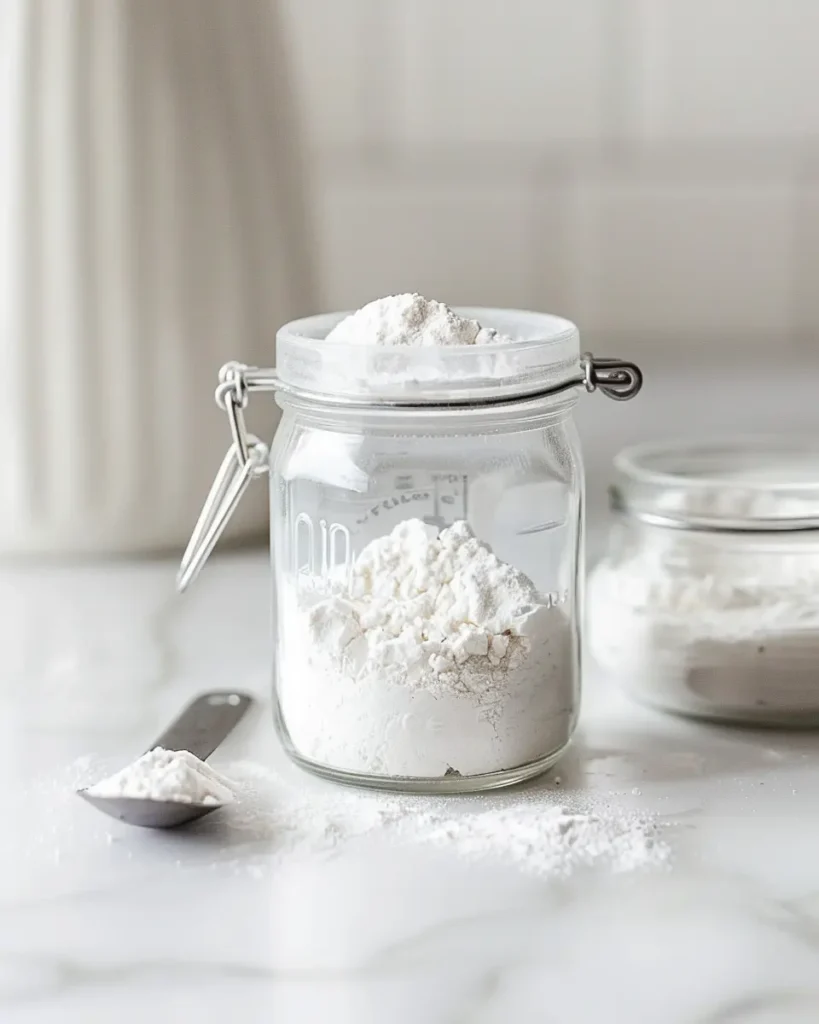
Most unflavored gelatin comes from beef or pork sources. Beef gelatin is the most common and tends to have the highest glycine content. It’s also the type used in most research studies on glycine and metabolism.
Glycine in beef gelatin powder is typically around 20-30% of total protein by weight, making it an excellent source if you’re looking specifically for glycine’s benefits.
What About Gelatin from Other Sources?
Pork gelatin: Very similar amino acid profile to beef; slightly different texture when set, but nutritionally comparable.
Fish gelatin: Lower setting temperature, so it doesn’t firm up as much. Still contains glycine, but often in slightly lower amounts.
Vegan alternatives (agar, carrageenan): These don’t contain glycine or other animal-based amino acids, so they won’t provide the same metabolic or sleep benefits. They’re great for texture in recipes, but not for this specific purpose.
Best Gelatin for Weight Loss and Joints
For weight loss support, I recommend unflavored, grass-fed beef gelatin powder. Brands like Great Lakes, Vital Proteins, or Knox work well. Look for products with no added sugar or fillers.
For joint support, hydrolyzed collagen peptides (which contain similar amino acids to gelatin, including glycine) are often easier to dissolve and absorb. You can use them interchangeably for metabolism support, though gelatin’s texture makes it more filling as a bedtime snack.
If you’re curious about joint health, my Dr Mark Hyman gelatin recipe covers this in more depth.
Gelatin Glycine and Alanine: The Amino Acid Trio
What Are Glycine and Alanine?
Gelatin contains three primary amino acids: glycine, proline, and alanine. While glycine gets most of the attention for metabolism and sleep, alanine also plays a role in glucose metabolism and energy production.
Does Jello have glycine and alanine? Yes, if it’s made with real gelatin (most store-bought Jell-O contains gelatin), it will have glycine and alanine. However, it also contains a lot of sugar, artificial colors, and flavors, which can counteract the metabolic benefits. For bedtime use, stick with unflavored gelatin or make your own low-sugar gelatin desserts.
How to Use Gelatin for Weight Loss: Practical Tips
Practical Ways to Add Gelatin to Your Routine
Pre-meal cubes: Eat 2-3 small gelatin cubes 15-20 minutes before meals to help with appetite control (see my how to use gelatin to curb appetite guide).
Bedtime snack: Mix 1 tablespoon into Greek yogurt or a warm herbal tea 2 hours before sleep.
Morning smoothie: Add hydrolyzed collagen to your breakfast smoothie for a protein boost.
Homemade gummies: Make low-sugar fruit gummies using gelatin and fresh juice.
For a detailed step-by-step method, see my bariatric gelatin recipe—it’s designed for portion control and maximum satiety with minimal calories.
Does Gelatin Help with Weight Loss?
Gelatin can support weight loss indirectly by:
– Increasing satiety (fullness) with very few calories
– Supporting muscle repair, which helps maintain metabolism
– Improving sleep quality, which helps regulate hunger hormones
– Providing a low-calorie, protein-rich snack option
It’s not a magic bullet, but it’s a useful tool when combined with balanced eating and healthy habits.
Side Effects of Gelatin and Safety Notes
Is Gelatin Safe for Daily Use?
For most people, consuming 1-2 tablespoons of gelatin powder daily is safe and well-tolerated. Gelatin is simply a form of hydrolyzed collagen protein, so it’s no different from eating a protein-rich food.
Possible Side Effects of Gelatin
Digestive discomfort: Some people experience mild bloating or stomach upset when they first start using gelatin, especially in larger amounts. Start small and increase gradually.
Allergic reactions: Rare, but possible if you’re allergic to the source animal (beef, pork, fish).
Interactions with medications: Gelatin is generally safe, but if you’re on blood thinners or other medications, check with your doctor first.
Best gelatin for joints and metabolism: Look for grass-fed, unflavored, and additive-free gelatin powder from a trusted brand.
Glycine in Metabolism and Weight Loss Medications
Why Do They Add Glycine to Semaglutide?
You might have heard that glycine is sometimes paired with weight loss medications like semaglutide (Ozempic, Wegovy). The reason is simple: these medications can cause muscle loss along with fat loss, and glycine helps support muscle protein synthesis and overall protein balance.
While gelatin alone won’t replicate the effects of prescription medications, it can be a supportive, natural addition to a weight management routine—especially for appetite control and sleep support.
If you’re exploring natural alternatives, you might like my natural ozempic drink recipe or zepbound natural recipe.
Does Glycine Help with Metabolism?
Yes. Glycine supports glucagon production, which encourages fat oxidation. It also helps stabilize blood sugar, supports muscle repair, and improves sleep—all of which contribute to a healthier metabolism overall.
FAQs: Glycine in Gelatin for Bedtime Metabolism Support
Does glycine before bed help you sleep?
Yes, glycine can help lower core body temperature and promote deeper REM sleep, which supports rest and recovery.
What is the gelatin weight loss trick?
The trick involves consuming unflavored gelatin (usually as cubes or mixed into yogurt) before meals or at bedtime to increase satiety, support metabolism, and improve sleep quality—all without adding significant calories.
Does gelatin help with weight loss?
Gelatin can support weight loss by promoting fullness, aiding muscle repair, and improving sleep quality, but it works best as part of a balanced diet and healthy lifestyle.
Does glycine help with metabolism?
Yes, glycine stimulates glucagon release, which encourages your body to burn fat for energy and supports stable blood sugar levels.
How much gelatin per day should I take?
Most people benefit from 1-2 tablespoons of unflavored gelatin powder daily, split between meals or taken before bed.
How much glycine in gelatin powder?
Each tablespoon of gelatin powder contains approximately 2-3 grams of glycine.
What is the best gelatin for joints?
Grass-fed, unflavored beef gelatin or hydrolyzed collagen peptides are the best options for joint support and overall health.
What are the side effects of gelatin?
Gelatin is generally safe, but some people may experience mild digestive discomfort, especially when starting out. Always choose high-quality, additive-free products.
Does Jello have glycine and alanine?
Yes, if it’s made with real gelatin, but store-bought Jell-O contains added sugar and artificial ingredients that may counteract the benefits. Homemade gelatin desserts are a healthier option.
Why do they add glycine to semaglutide?
Glycine helps preserve muscle mass and support protein balance during weight loss, which is why it’s sometimes paired with weight loss medications.
Final Thoughts: Making Glycine in Gelatin Work for You

I’ve come to really appreciate how simple, unprocessed ingredients like gelatin can fit into a balanced, health-supportive routine. The glycine in gelatin offers genuine benefits for metabolism, sleep, and satiety—without requiring complicated recipes or expensive supplements.
If you’re curious, start small. Try mixing a tablespoon of unflavored gelatin powder into your evening yogurt or making a batch of gelatin cubes for the week. Notice how you feel in the morning. Do you sleep better? Feel less hungry? Have more steady energy?
For me, the biggest win has been better sleep and fewer late-night snack cravings. That alone makes it worth keeping a jar of gelatin powder in my pantry.
If you try this, I’d love to hear how it goes for you. Drop a comment below or share your favorite way to use gelatin at bedtime. And if you’re looking for more simple, science-backed food hacks, check out my gelatin diet recipe collection—there’s something for everyone.
Sweet dreams and happy cooking!
Elise
Print
Glycine in Gelatin for Bedtime Metabolism Support: Why This Nighttime Trick Works
- Total Time: 4 hours 5 minutes
- Yield: 8-12 cubes (3-4 servings)
Description
Simple glycine-rich gelatin cubes for bedtime metabolism support, better sleep, and appetite control. Made with unflavored gelatin powder and herbal tea—ready in 4 hours.
Ingredients
2 tablespoons unflavored gelatin powder (Knox or Great Lakes grass-fed) ½ cup cold liquid (unsweetened green tea, herbal tea, or filtered water) 1½ cups hot liquid (matching the cold liquid type, heated to 180°F) 1 teaspoon fresh lemon juice (optional, for vitamin C and flavor) Pinch of pink Himalayan salt (optional, for electrolytes) Liquid stevia drops to taste (optional, zero-calorie sweetener)
Instructions
Bloom the gelatin: Sprinkle 2 tablespoons unflavored gelatin powder evenly over ½ cup cold liquid in a medium glass bowl. Let sit undisturbed for 3-5 minutes until the mixture becomes spongy and thick. Dissolve the gelatin: Slowly pour 1½ cups hot liquid (about 180°F, not boiling) over the bloomed gelatin while whisking continuously for 60 seconds until the mixture is completely smooth and clear with no granules. Add optional ingredients: Stir in 1 teaspoon lemon juice and a pinch of pink salt if desired for extra electrolytes and flavor balance. Set the gelatin: Pour the liquid gelatin mixture into an 8×8-inch glass dish or silicone molds. Refrigerate for at least 4 hours (overnight is ideal for firm, sliceable cubes). Cut and serve: Once fully set, cut the gelatin into 1-inch cubes (you should get 8-12 cubes). Store in an airtight container in the refrigerator for up to 5 days. Consume for metabolism support: Eat 2-3 gelatin cubes 15-20 minutes before meals for appetite control, or 2 hours before bedtime (around 9 PM) for sleep and metabolism support.
Notes
Each serving (3 cubes) provides approximately 6-9 grams of pure protein and 2-3 grams of glycine. For best results, use grass-fed beef gelatin for highest glycine content and amino acid quality. These cubes are virtually zero-calorie (about 25 calories per serving) and zero-carb, making them perfect for keto, low-carb, bariatric, and diabetic-friendly diets. You can flavor the gelatin with unsweetened herbal teas like chamomile, green tea, or mint for variety without adding calories. Compatible with intermittent fasting protocols and medications like Mounjaro, Ozempic, and Wegovy. For diabetics: This snack may help reduce the dawn phenomenon (early morning blood sugar spikes). Monitor your glucose levels and consult your healthcare provider. Do not use boiling water, as temperatures above 212°F can denature the gelatin proteins and prevent proper setting.
- Prep Time: 5
- Category: Weight Loss, Snacks, Bedtime Recipes
- Method: No-Cook, Chilled
- Cuisine: American, Wellness
Nutrition
- Serving Size: 3 cubes (approximately 75g)
- Calories: 25
- Sugar: 0g
- Sodium: 15mg
- Fat: 0g
- Saturated Fat: 0g
- Unsaturated Fat: 0g
- Trans Fat: 0g
- Carbohydrates: 0g
- Fiber: 0g
- Protein: 6g
- Cholesterol: 0mg