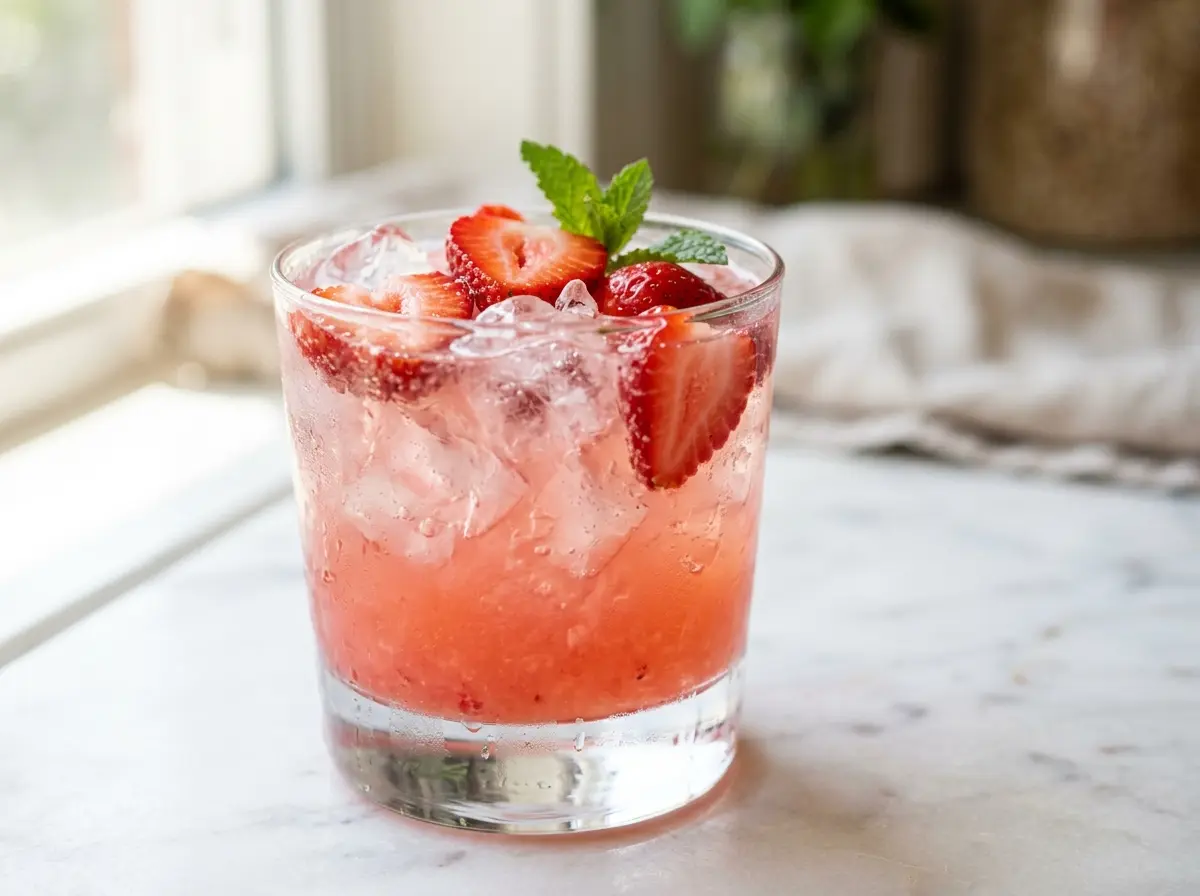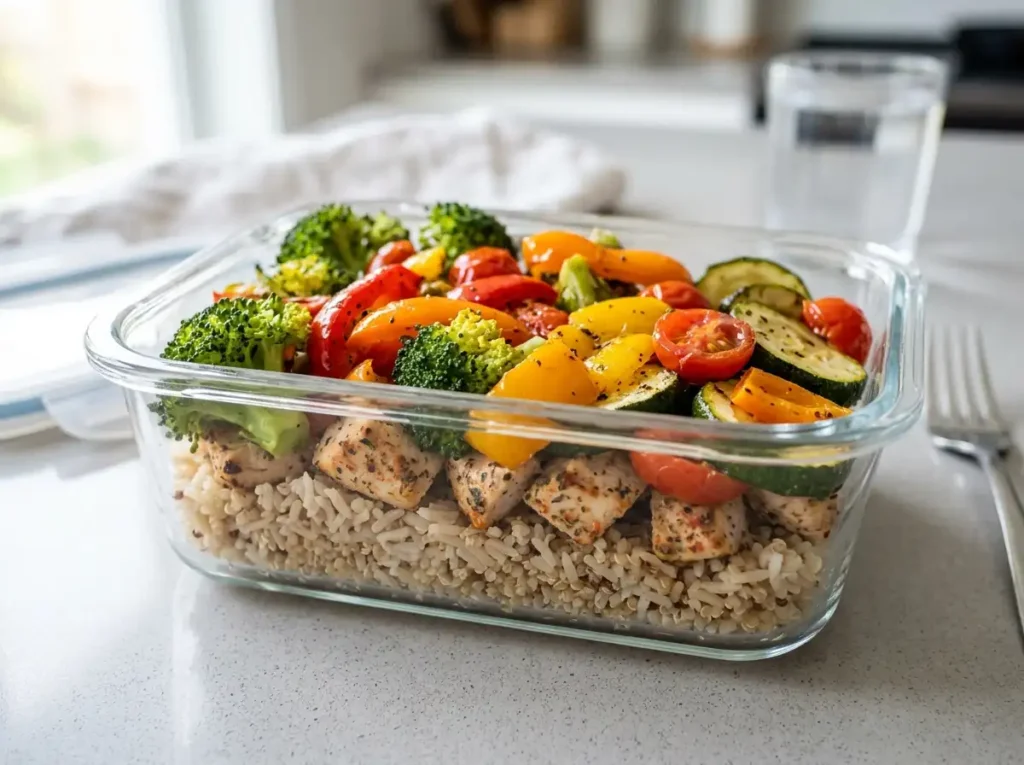
My kitchen counter used to look chaotic on Sunday afternoons, containers everywhere, sauce splattered across the stove, and somehow still not enough food ready for the week. That changed once I started paying attention to what people online call the meal prep aesthetic, containers arranged neatly, colors balanced, everything ready in barely 15 minutes. It turns out looking organized and eating well go hand in hand more than I expected.
This guide walks through what makes a 15-minute high-protein meal prep aesthetic actually work, not just for the photo, but for real family life during a busy week. You will find practical ingredient choices, real technique, and a few of my own tested combinations that come together fast without sacrificing flavor or that satisfying, put-together look. By Chef Elise, TasteOurDish.com.
Table of Contents
Table of Contents
Key Takeaways
- A 15-minute high-protein meal prep works best with pre-cooked proteins, quick-cooking grains, and produce that needs minimal chopping.
- Layering ingredients by color and height in clear containers creates that clean, aesthetic look people love online.
- Eggs, Greek yogurt, cottage cheese, and lean ground meats are the fastest ways to build protein into a meal without long cook times.
- Batch cooking one base protein and rotating three or four flavor profiles keeps the week interesting without extra prep time.
- Proper container choice and cooling time before sealing keeps meal prep looking fresh for days, not soggy.
What Is the 15-Minute High-Protein Meal Prep Aesthetic?
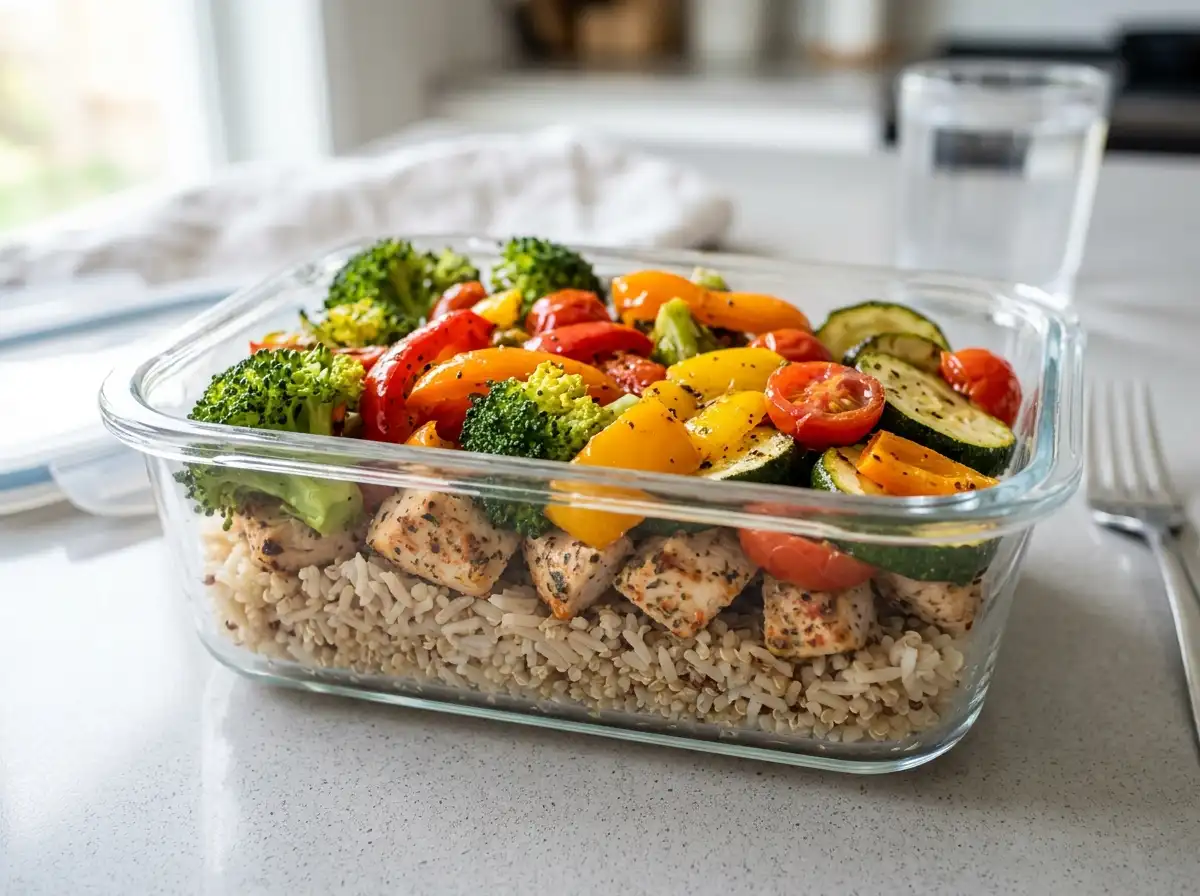
This trend combines two things that used to feel separate, quick, protein-forward cooking and the visually organized, almost styled way people now present their weekly meal prep online. Instead of a messy tupperware situation shoved in the back of the fridge, this approach treats each container like a small, intentional meal, protein on one side, a colorful vegetable or grain filling out the rest, arranged so it actually looks appealing when you open the fridge.
The 15-minute part is not just marketing. It reflects a real shift toward recipes that use pre-cooked or fast-cooking proteins, minimal steps, and ingredients that do not require long simmering or multiple pans. This makes it realistic for a Sunday afternoon or even a Tuesday evening when you need dinner and lunch handled at once.
Answer capsule: The 15-minute high-protein meal prep aesthetic combines quick, protein-focused cooking with visually organized, colorful meal containers. It relies on fast-cooking proteins like eggs, ground meat, or Greek yogurt paired with minimal-prep vegetables and grains. Layering ingredients by color creates the clean, satisfying look associated with this trend online.
Ingredients That Make This Work
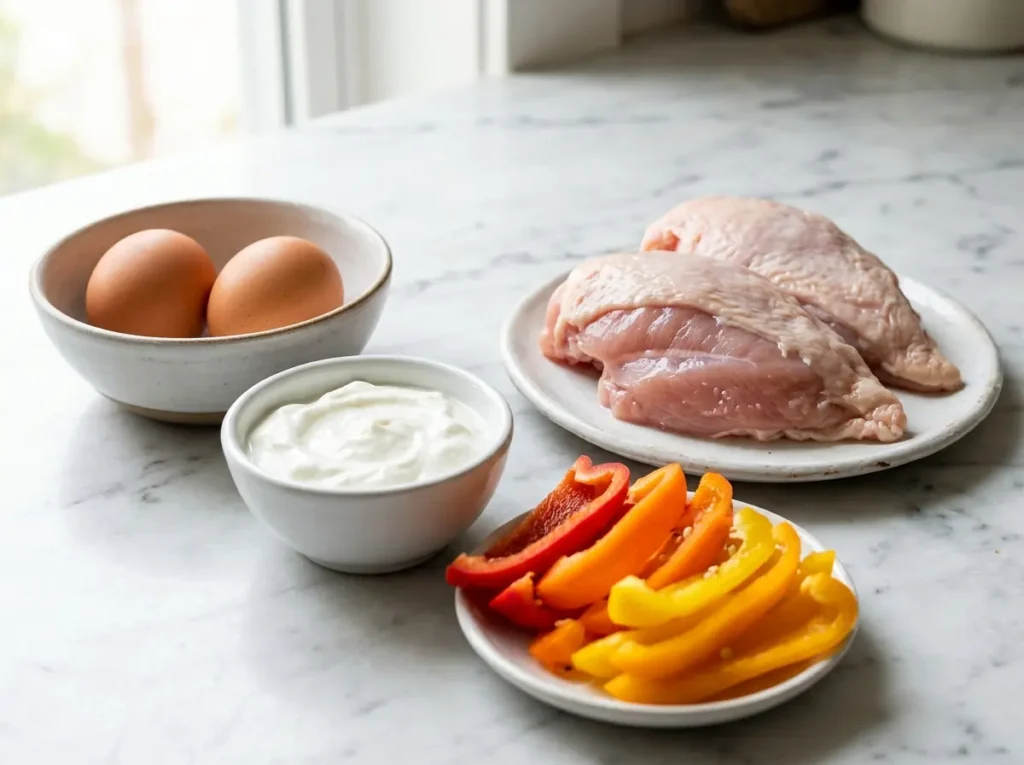
- Eggs, scrambled, baked into muffin cups, or hard-boiled ahead of time
- Ground turkey, chicken, or lean beef, cooked in bulk and seasoned differently each week
- Greek yogurt or cottage cheese, ready to eat with zero cook time
- Pre-cooked rice or quick-cooking quinoa, ready in 10 to 15 minutes or reheated from a prior batch
- Sweet potatoes, grated or diced small to cut down on cook time
- Bell peppers, spinach, or shredded carrots, needing little to no cooking
- Clear, stackable containers for that layered, visible presentation
Protein choice matters more than people realize for both speed and how the meal holds up over several days. According to the 2025-2030 Dietary Guidelines for Americans, adults should aim for 1.2 to 1.6 grams of protein per kilogram of body weight daily, spread across meals rather than concentrated in just one sitting, which is part of why batch-prepping protein at the start of the week works so well with how our bodies actually use it.
How to Build a 15-Minute High-Protein Meal Prep Step by Step
Step 1: Cook your protein base first
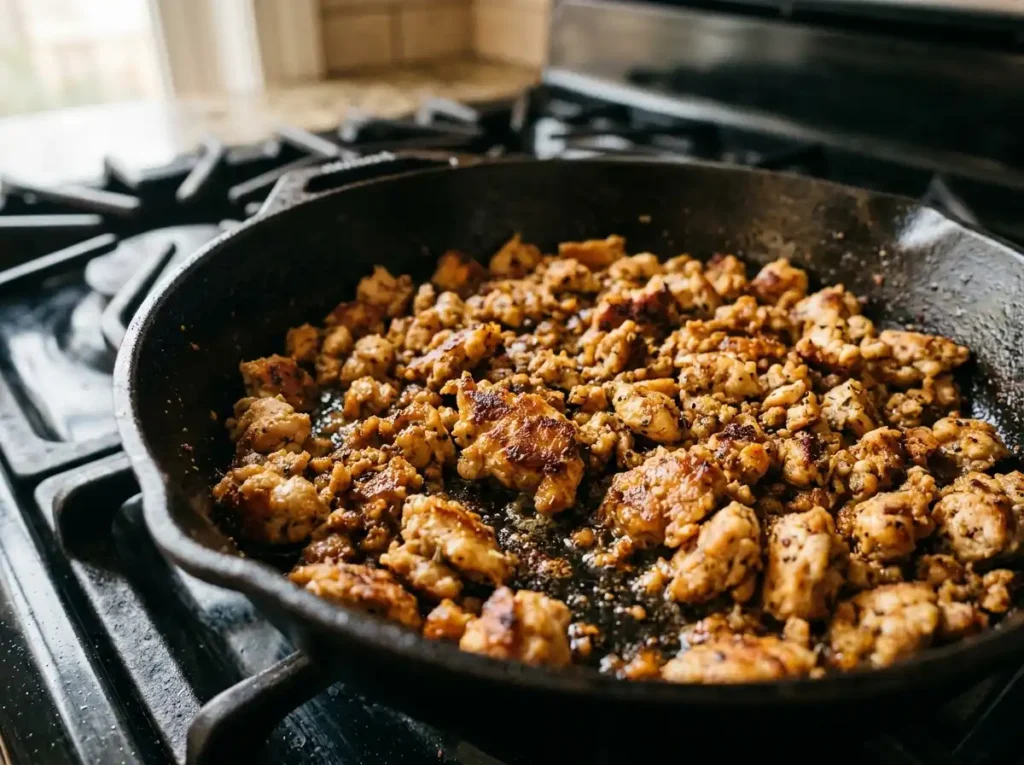
Start with whatever protein cooks fastest for your chosen meal, ground meat in a hot skillet, eggs scrambled or baked into a muffin tin, or simply portion out Greek yogurt if you are skipping cooking altogether. Season generously here, since this base often gets reused across two or three different container styles throughout the week.
Step 2: Prep your quick-cooking grain or starch
While your protein cooks, get rice, quinoa, or grated sweet potato going in a separate pan or microwave-safe dish. Pre-cooked, refrigerated rice pouches cut this step down to just a couple of minutes if you want to move even faster.
Step 3: Add color with minimal-prep vegetables
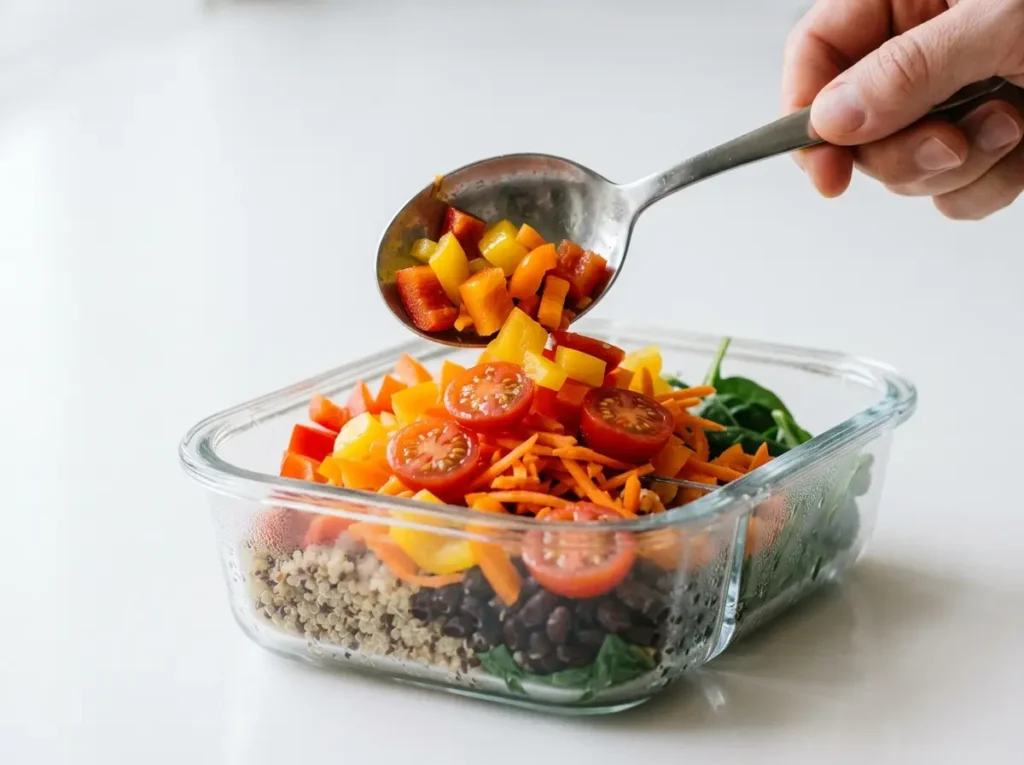
Reach for vegetables that need little more than a quick chop or a rinse, bell peppers, baby spinach, cherry tomatoes, shredded carrots. These add the visual color that makes the finished container look vibrant without adding real prep time.
Step 4: Layer for that aesthetic look
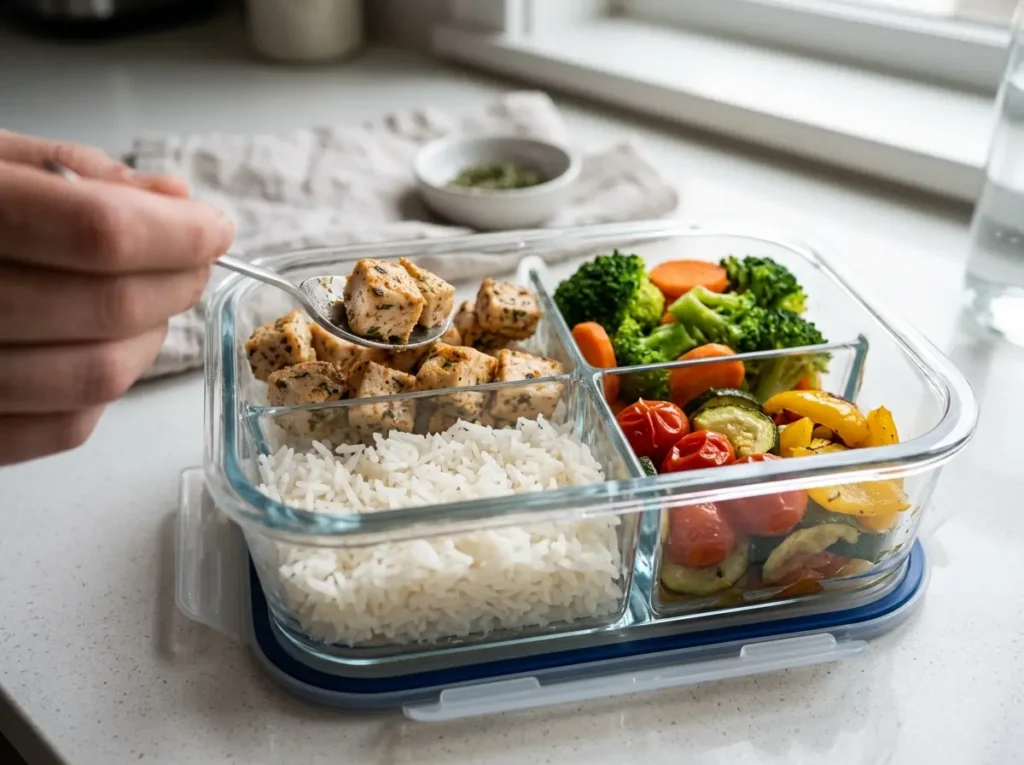
Place your grain or starch on one side of the container, protein in the center or opposite side, and vegetables filling in the remaining space by color. This is less about following strict rules and more about giving each ingredient its own visible section, which is exactly what creates that satisfying, organized look.
Step 5: Cool before sealing
Let everything cool to room temperature for about 10 minutes before sealing containers and refrigerating. Sealing hot food traps steam, which leads to sogginess and a shorter fridge life, undoing all that careful layering you just did.
Print
15-Minute High-Protein Meal Prep: 1 Easy Aesthetic Guide
- Total Time: 20 minutes
- Yield: 4 servings
Description
Try this 15-minute high-protein meal prep aesthetic with easy, family-friendly recipes that look as good as they taste.
Ingredients
1 pound ground chicken or turkey
2 tablespoons olive oil
1 lemon, juiced and zested
2 cloves garlic, minced
1 teaspoon dried oregano
2 cups cooked rice or quinoa
1 bell pepper, sliced
1 cup cherry tomatoes, halved
2 cups baby spinach
Salt and pepper to taste
Instructions
1. Heat olive oil in a skillet over medium-high heat.
2. Add ground chicken, garlic, oregano, salt, and pepper, and cook for 8 to 10 minutes until browned.
3. Stir in lemon juice and zest during the last minute of cooking.
4. Prepare rice or quinoa according to package directions if not using pre-cooked.
5. Layer rice, protein, and vegetables into separate sections of a clear container and let cool before sealing.
Notes
Store in the fridge for up to 5 days in a sealed container.
Add spinach just before eating to keep it fresh and vibrant.
Rotate this lemon herb version with a smoky paprika or garlic herb variation for variety.
- Prep Time: 10 minutes
- Cook Time: 10 minutes
- Category: Dinner
- Method: Stovetop
- Cuisine: American, Family Heritage, Wellness
Nutrition
- Serving Size: 1 container
- Calories: 385
- Sugar: 3g
- Sodium: 320mg
- Fat: 14g
- Saturated Fat: 3g
- Unsaturated Fat: 10g
- Trans Fat: 0g
- Carbohydrates: 32g
- Fiber: 4g
- Protein: 34g
- Cholesterol: 95mg
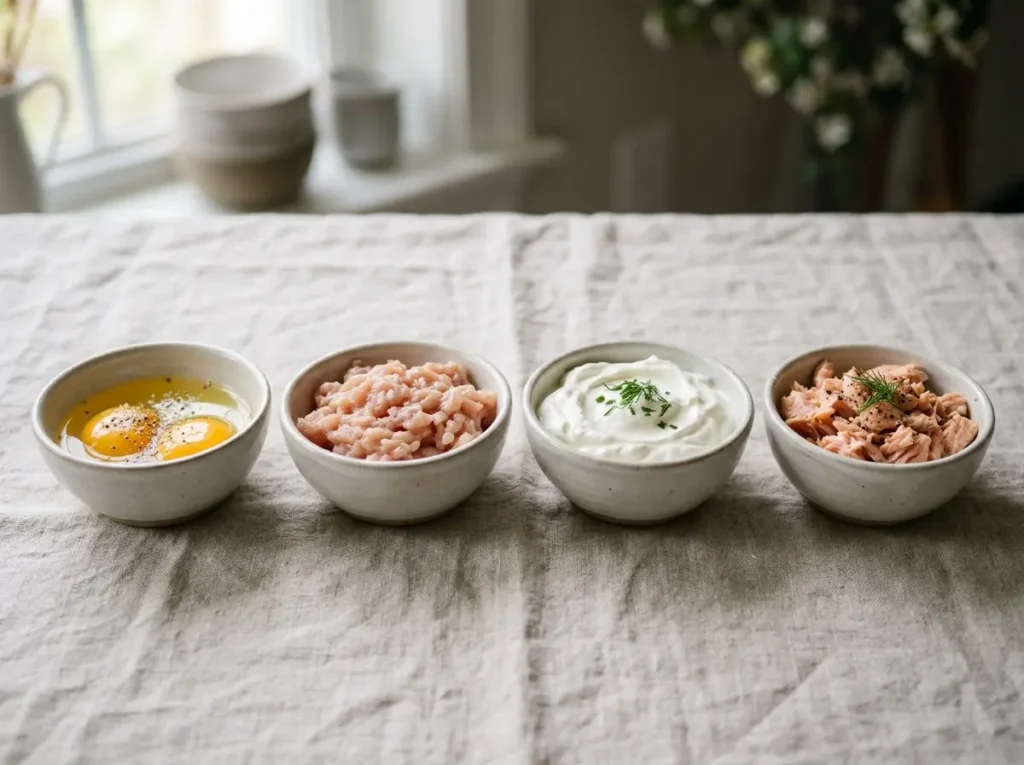
Protein Source Comparison for Meal Prep
| Protein Source | Cook Time | Best For |
|---|---|---|
| Eggs | 5-10 minutes | Breakfast bowls, muffin cups |
| Ground turkey or chicken | 8-10 minutes | Grain bowls, lettuce wraps |
| Greek yogurt or cottage cheese | 0 minutes | Parfaits, no-cook lunches |
| Canned tuna or salmon | 0 minutes | Quick salads, wraps |
If you want a full library of tested combinations to rotate through, my 25+ Easy High Protein Meal Prep Ideas covers a wide range of options built around exactly this kind of fast, protein-forward approach.
Why This Approach Actually Works
There is real logic behind pairing speed with visual organization, beyond just looking good online. When food is arranged clearly by ingredient, it becomes much easier to see at a glance what you have prepped and how much protein, produce, and grains you are actually eating across the week. That visibility alone tends to make people more consistent with sticking to their prep routine, since nothing gets lost or forgotten in the back of the fridge.
On the nutrition side, spacing protein evenly across meals rather than loading it all into dinner is something the updated federal dietary guidance now specifically recommends. The National Institutes of Health’s review of the Dietary Guidelines for Americans emphasizes prioritizing high-quality protein sources like eggs, poultry, seafood, beans, and legumes at every meal, which is essentially what this meal prep style naturally encourages just by how the containers get built.
Meal Prep for a Busy Family Week
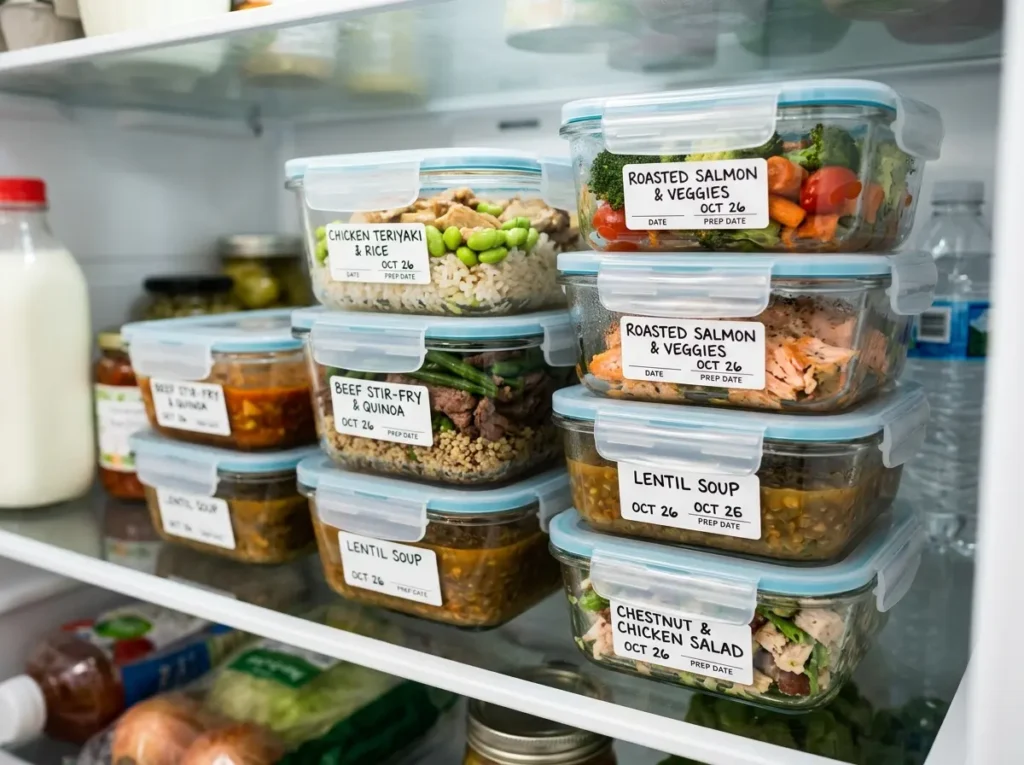
The real win with this method is how well it holds up when life gets unpredictable. Having containers ready means dinner is already handled on nights when practice runs long or homework takes over the evening. I like rotating three flavor profiles across the same protein base, a lemon herb version, a smoky paprika version, and a simple garlic and herb version, so the week feels varied without extra effort.
If mornings are your biggest challenge, my Fluffy Banana Cottage Cheese Pancakes freeze beautifully and reheat in under two minutes, making them an easy addition to this same meal prep rhythm for breakfast.
5 Mistakes to Avoid
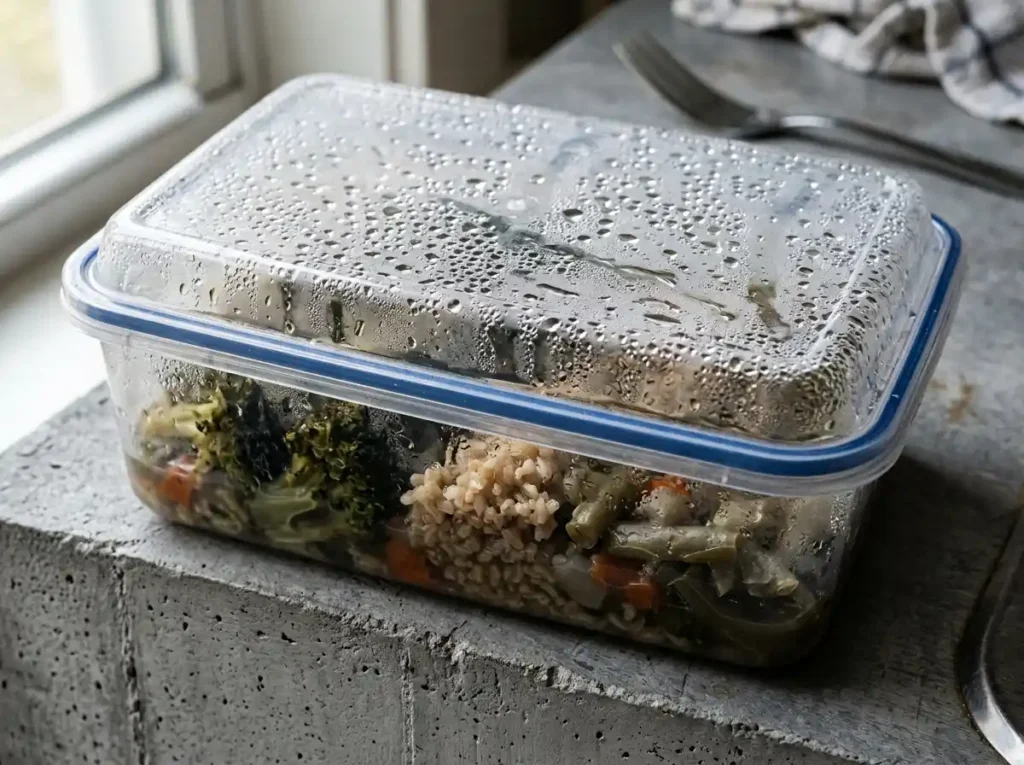
- Sealing containers while food is still hot. I learned this the hard way once, and every container turned soggy by day two. Always let food cool first.
- Using only one protein all week. Rotating two or three proteins keeps things interesting and prevents prep fatigue.
- Skipping the color layering. A container of all one color looks less appealing and often means you are missing a food group.
- Over-seasoning delicate vegetables early. Spinach and fresh herbs wilt fast, so add these closer to serving when possible.
- Choosing containers that are too small. Cramped containers make layering harder and food gets mixed together instead of staying visually separated.
According to USDA’s dietary health guidance, prioritizing protein at every meal is one of the core recommendations in current federal nutrition policy, which reinforces why rotating proteins throughout the week matters more than relying on just one source. If you want a heartier, one-pan option to rotate into your week, my Boy Kibble Recipe comes together in under 25 minutes and preps cleanly for several days.
FAQ About 15-Minute High-Protein Meal Prep
What is the 15-minute high-protein meal prep aesthetic?
It is a meal prep style that combines fast, protein-focused cooking with visually organized, colorful containers. Ingredients are chosen for quick cook times and layered by color for a clean, satisfying presentation. Eggs, lean ground meat, and Greek yogurt are common protein bases used in this style.
How much protein should be in a meal prep container?
Current federal dietary guidance recommends 1.2 to 1.6 grams of protein per kilogram of body weight daily, spread evenly across meals rather than concentrated in one sitting. For most adults, this translates to roughly 20 to 30 grams of protein per meal. Adjust based on your individual needs and activity level.
What are the fastest high-protein foods for meal prep?
Eggs, canned tuna or salmon, Greek yogurt, cottage cheese, and pre-cooked rotisserie chicken are among the fastest options, since several require no cooking at all. Ground turkey or chicken also cooks quickly, usually within 8 to 10 minutes in a hot skillet. Choosing two or three of these to rotate keeps prep time low throughout the week.
How do you make meal prep look aesthetic?
Use clear, stackable containers so ingredients are visible, and arrange protein, grains, and vegetables in separate visible sections rather than mixing everything together. Choosing colorful vegetables like bell peppers, carrots, and leafy greens naturally improves the visual appeal. Letting food cool before sealing also keeps everything looking fresh rather than steamy or wilted.
Can this style of meal prep work for vegetarians?
Yes, Greek yogurt, cottage cheese, eggs, lentils, chickpeas, and quinoa all work well as fast, protein-rich bases for a vegetarian version of this meal prep style. Federal dietary guidance specifically includes beans, peas, lentils, and soy as high-quality protein sources alongside animal proteins. Rotating two or three plant-based proteins keeps the week varied.
How long does high-protein meal prep last in the fridge?
Most high-protein meal prep containers stay fresh for 4 to 5 days when properly cooled before sealing and stored at a consistent refrigerator temperature. Cooked ground meats and eggs generally hold up well throughout this window, while fresh greens are best added closer to eating. Freezing individual portions extends this further if you want to prep further ahead.
What containers work best for this meal prep style?
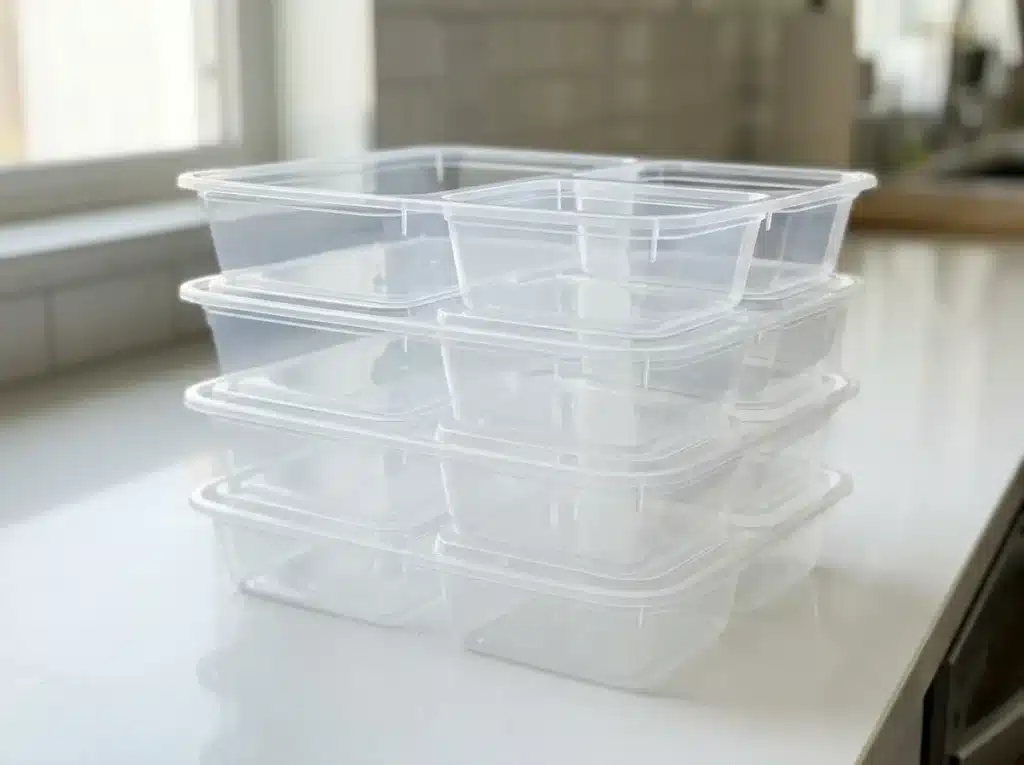
Clear, compartmentalized containers work best, since they let you see and separate proteins, grains, and vegetables clearly, which supports both the visual aesthetic and the practical goal of even portioning. Glass containers hold up well to reheating, while stackable plastic options save fridge space. Choose a size that fits a full portion without overcrowding, since cramped containers make the layered look harder to maintain.
Conclusion
The appeal of this trend goes beyond how it looks on a phone screen, it genuinely makes a busy week easier to manage when everything is visible, organized, and ready to grab. Once you find two or three protein bases you enjoy rotating, building this kind of meal prep becomes second nature rather than a chore. Give it a try this week, and if you want more ready-made combinations to build from, my Human Kibble Recipe is another easy, batch-friendly option worth adding to your rotation.
About the Author: Chef Elise writes wholesome, family-tested recipes at TasteOurDish.com. She learned to cook watching her grandmother’s hands, and she now tests every recipe in her own kitchen before sharing it with readers.