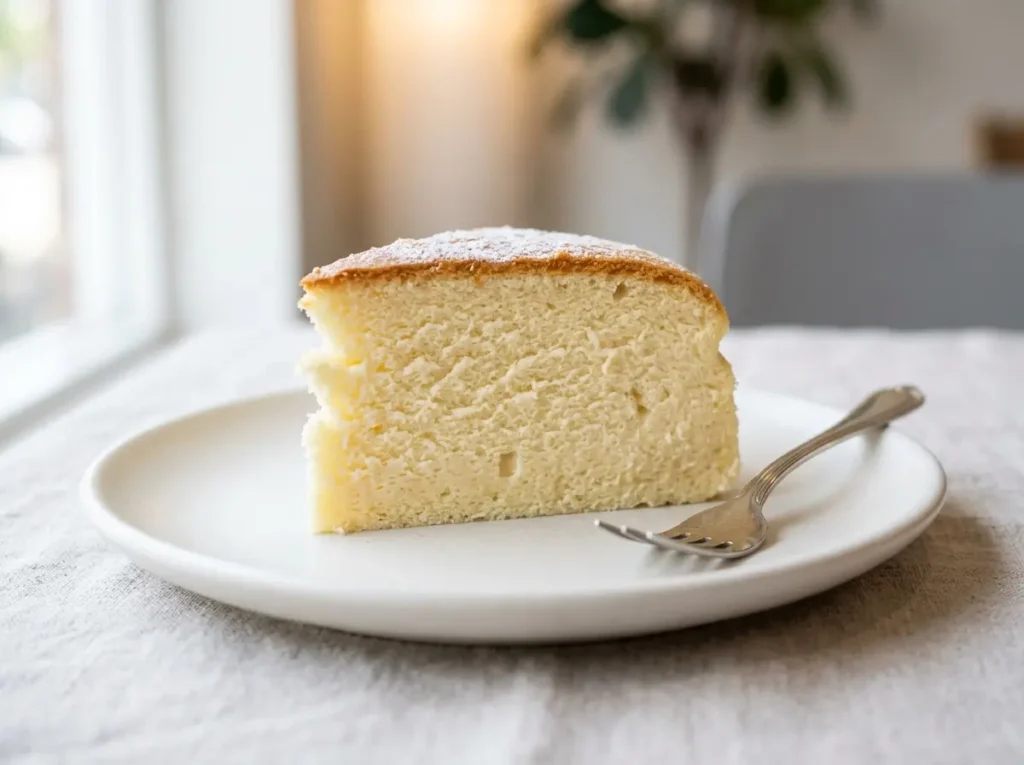
My daughter came home from a bakery trip in Montreal raving about a cheesecake that “wobbled like jelly and tasted like a cloud.” I had no idea what she meant until I made my first Japanese cheesecake at home and watched it jiggle right out of the pan. That moment converted me completely, this is nothing like the dense, tangy New York cheesecake I grew up with.
If you have seen Japanese cheesecake trending online lately, with bakeries popping up from Paris to Dallas selling out daily batches, you are witnessing a dessert that has quietly built a devoted following for decades in Japan before finally catching on everywhere else. This guide walks through the real technique, the ingredients that matter, and the small details that separate a fluffy success from a deflated disappointment. By Chef Elise, TasteOurDish.com.
Table of Contents
Table of Contents
Key Takeaways
- Japanese cheesecake, also called souffle cheesecake, gets its airy texture from whipped egg whites folded into a cream cheese batter.
- It bakes in a water bath at a lower temperature than New York cheesecake, which keeps the texture soft and prevents cracking.
- The finished cake should jiggle gently when nudged, a sign it is properly set rather than underbaked.
- Cake flour, not all-purpose flour, gives the cheesecake its signature light, tender crumb.
- Cooling the cake slowly in the oven with the door cracked open prevents sudden collapse.
What Is Japanese Cheesecake?
Japanese cheesecake, known in Japan as souffle cheesecake, is a light, airy dessert made by folding whipped egg whites into a cream cheese base, then baking it gently in a water bath. The result is a cake with a cottony, cloud-like texture that is noticeably less dense and less tangy than a traditional American cheesecake. It has no crust, relies on minimal sugar, and gets its characteristic jiggle from the delicate meringue structure holding the cake together.
The style became a staple in Japanese cafes and bakeries starting in the 1970s, after being adapted from earlier European sponge cake techniques. Today it has spread well beyond Japan, with dedicated bakeries in cities like Montreal, Paris, and Dallas building entire menus around this one dessert.
Answer capsule: Japanese cheesecake is a light, souffle-style dessert made by folding whipped egg whites into a cream cheese batter and baking it in a water bath. It has a cottony, jiggly texture and a mild, less tangy flavor than New York cheesecake. Use full-fat cream cheese and cake flour for the best rise and texture.
Japanese Cheesecake vs Other Cheesecake Styles
| Style | Texture | Baking Method |
|---|---|---|
| Japanese Souffle Cheesecake | Light, airy, jiggly | Water bath, low temperature (around 320°F) |
| New York Cheesecake | Dense, rich, tangy | Higher heat, often no water bath |
| Basque Cheesecake | Deeply caramelized, custardy center | Very high heat, intentionally burnt top |
| No-Bake Cheesecake | Firm, mousse-like | Set with gelatin in the fridge, no baking |
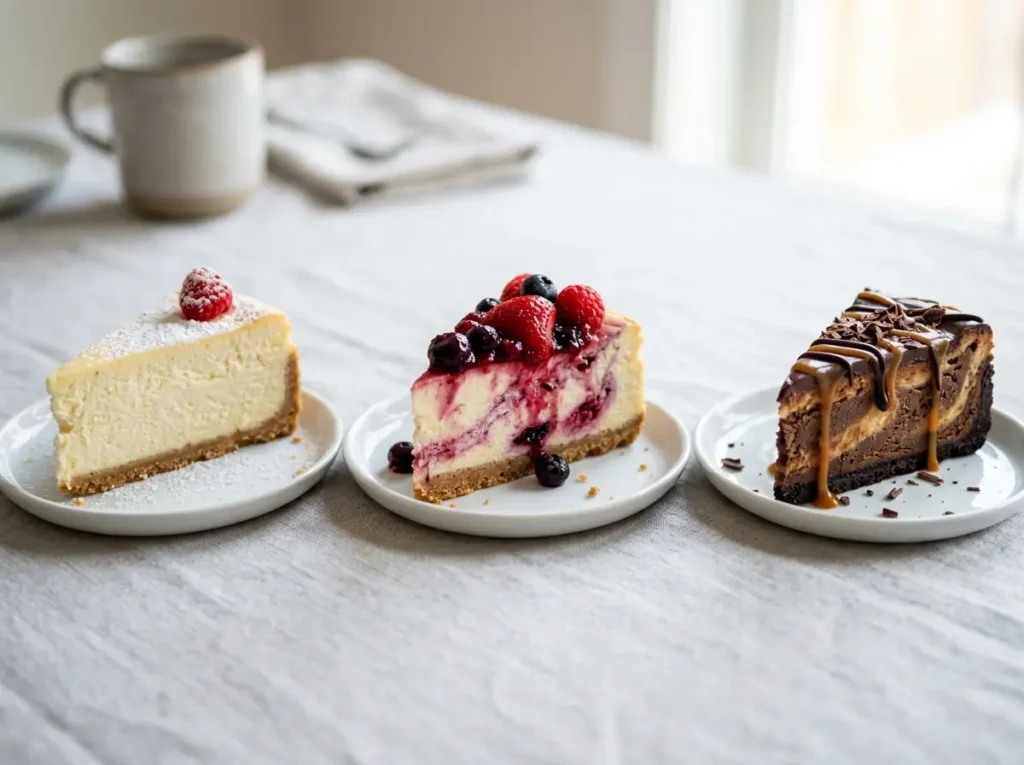
The biggest structural difference comes down to eggs. Japanese cheesecake relies heavily on whipped egg whites for lift, while New York and Basque styles lean on cream cheese and eggs for richness rather than height. That single difference explains almost everything else about how each cake looks, feels, and tastes.
Ingredients for Japanese Cheesecake
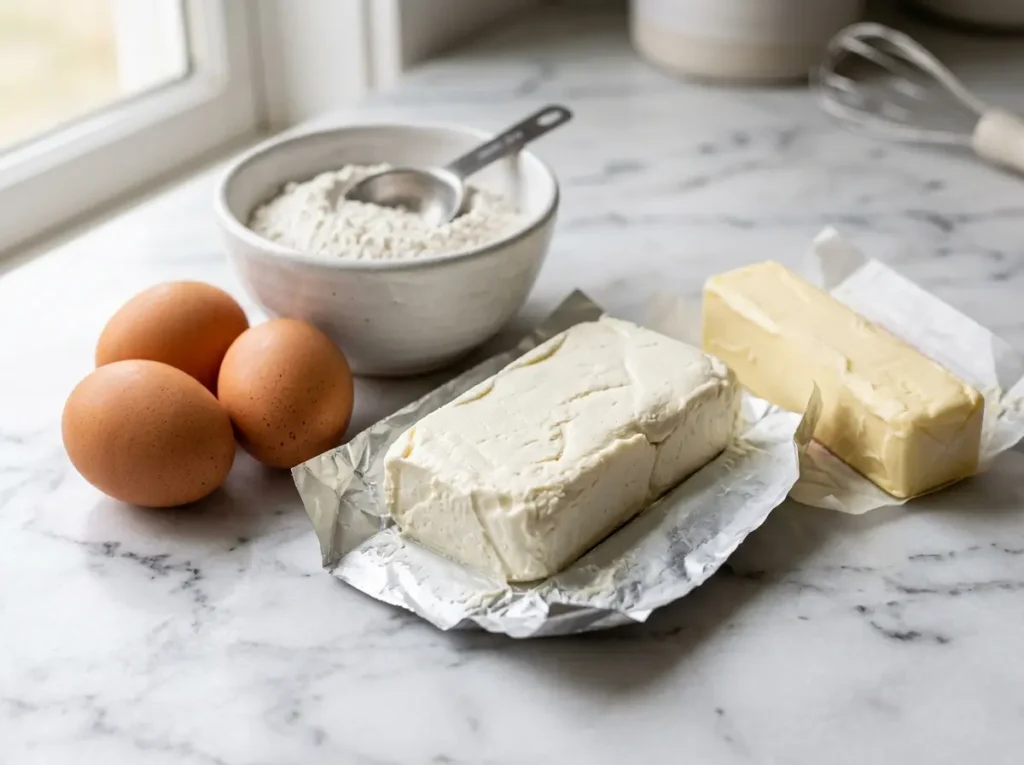
- 8 oz full-fat cream cheese, room temperature
- 4 tablespoons unsalted butter, room temperature
- 2/3 cup whole milk
- 5 large eggs, separated, room temperature
- 1/3 cup cake flour, sifted
- 2 tablespoons cornstarch
- 2/3 cup granulated sugar, divided
- 1 teaspoon lemon juice
- Pinch of salt
- Optional: apricot jam and water, for glazing
Full-fat cream cheese matters here more than in most recipes. Spreadable or reduced-fat versions contain extra water and stabilizers that throw off the batter’s structure, leading to a dense or gummy result instead of that signature airy crumb. Eggs are the real star of this recipe, and according to a review published through the National Institutes of Health, egg protein is considered one of the highest-quality protein sources available, containing all nine essential amino acids the body needs.
How to Make Japanese Cheesecake Step by Step
Step 1: Prepare the pan and oven
Preheat your oven to 320°F and set a rack in the lower third. Line an 8-inch round cake pan with parchment paper on the bottom and sides, then wrap the outside of the pan tightly in foil to prevent water from seeping in during the water bath. Have a larger roasting pan ready to hold hot water underneath.
Step 2: Melt the cream cheese base
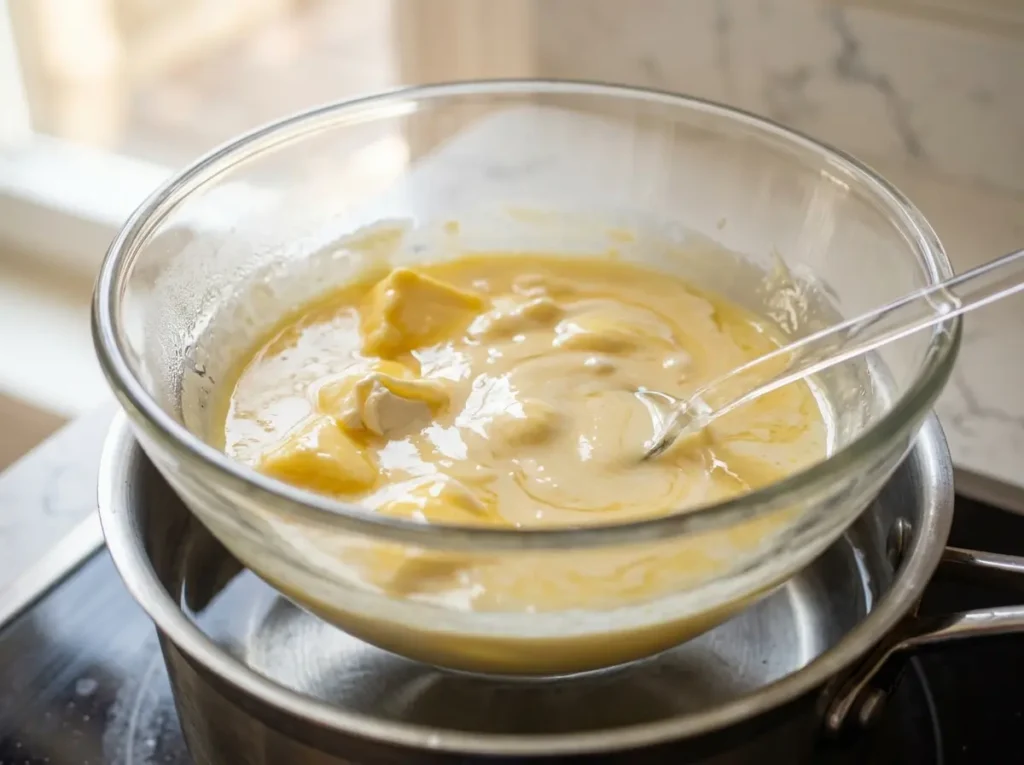
Set a heatproof bowl over a pot of gently simmering water and add the cream cheese, butter, and milk. Whisk continuously until the mixture becomes completely smooth with no lumps remaining. Remove from the heat once smooth, since overheating at this stage can cause the mixture to separate.
Step 3: Build the batter
Whisk the egg yolks into the cooled cream cheese mixture one at a time, fully incorporating each before adding the next. Sift in the cake flour and cornstarch, whisking until no lumps remain, then stir in the lemon juice. Strain the batter through a fine-mesh sieve for the smoothest possible texture.
Step 4: Whip the meringue
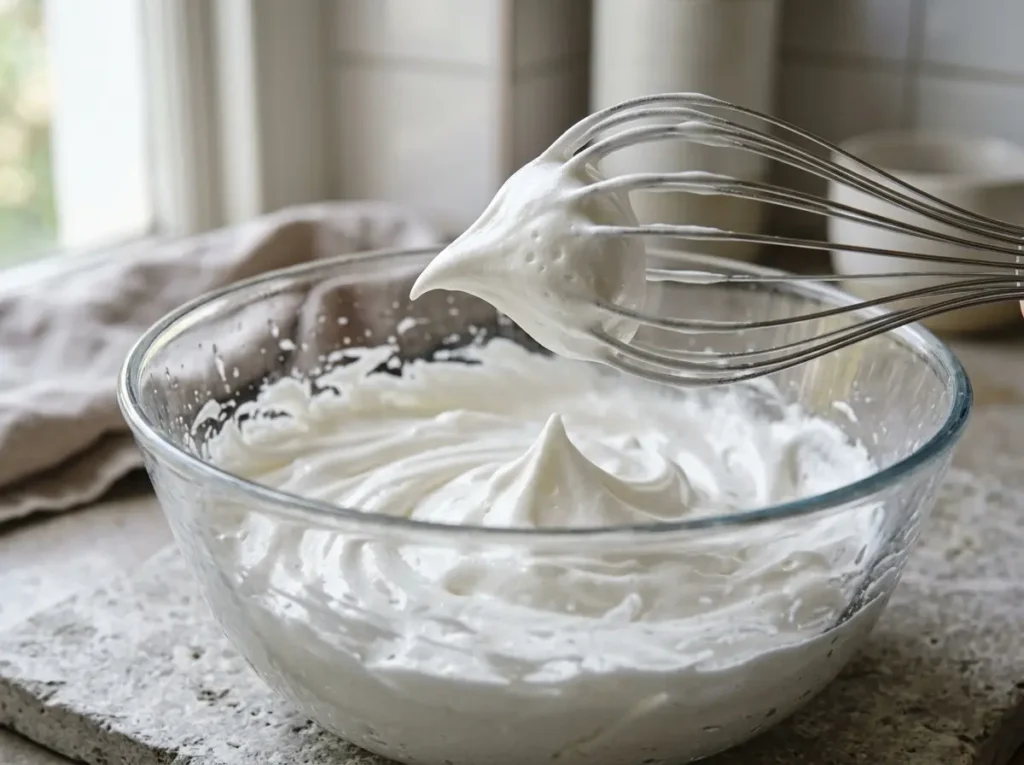
In a separate clean bowl, beat the egg whites with a pinch of salt until foamy. Gradually add the sugar in three additions while continuing to beat, until soft, glossy peaks form. Stop before the peaks turn stiff and dry, since overwhipped meringue is harder to fold in smoothly and can cause cracking.
Step 5: Fold and bake
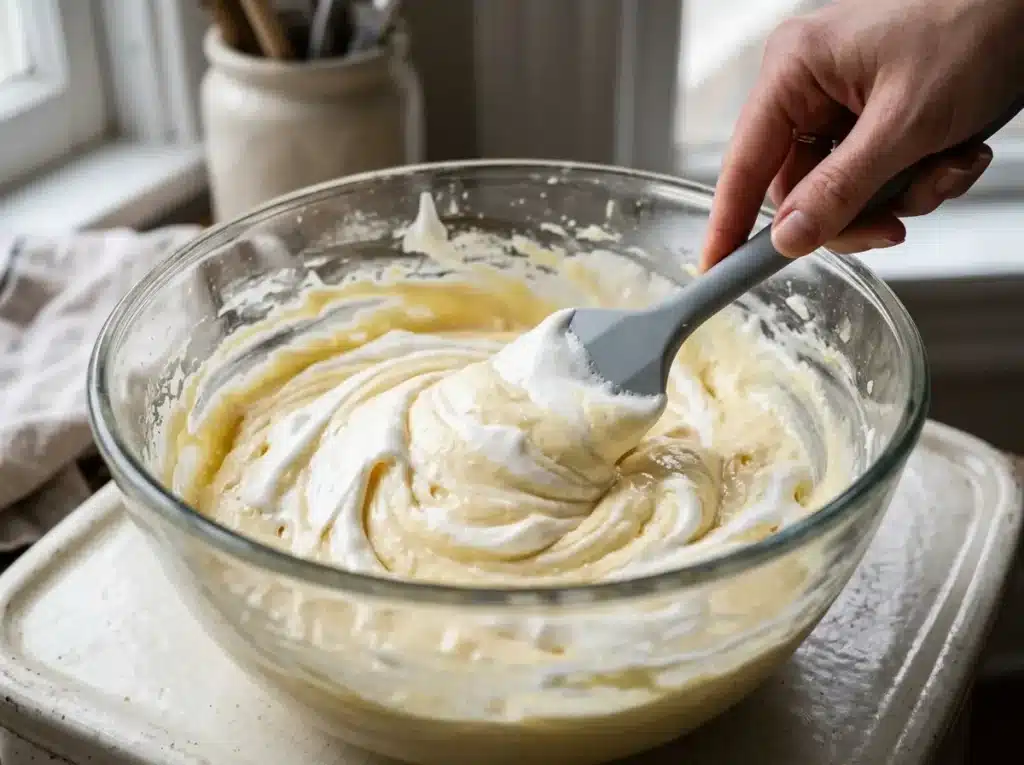
Fold one-third of the meringue into the cream cheese batter to loosen it, then gently fold in the rest in two more additions, taking care not to deflate the air you just whipped in. Pour the batter into the prepared pan, place it in the roasting pan, and add hot water halfway up the sides of the cake pan. Bake for 20 minutes at 320°F, then reduce the temperature to 285°F and continue baking for 50 to 60 minutes until the top turns golden and the center springs back gently when touched.
Print
Japanese Cheesecake: 1 Easy Foolproof Souffle Recipe
- Total Time: 1 hour 50 minutes
- Yield: 8 slices
- Diet: Vegetarian
Description
Make authentic Japanese cheesecake at home with this easy, foolproof souffle recipe for a light, jiggly, cloud-like texture.
Ingredients
8 oz full-fat cream cheese, room temperature
4 tablespoons unsalted butter, room temperature
2/3 cup whole milk
5 large eggs, separated, room temperature
1/3 cup cake flour, sifted
2 tablespoons cornstarch
2/3 cup granulated sugar, divided
1 teaspoon lemon juice
Pinch of salt
Optional: apricot jam and water, for glazing
Instructions
1. Preheat oven to 320 degrees Fahrenheit and prepare an 8-inch pan lined with parchment and wrapped in foil.
2. Melt cream cheese, butter, and milk together over a pot of simmering water until smooth.
3. Whisk in egg yolks one at a time, then sift in cake flour and cornstarch, and stir in lemon juice.
4. Whip egg whites with salt and sugar to soft, glossy peaks.
5. Fold the meringue into the batter in three additions, pour into the pan, and bake in a water bath for 20 minutes at 320 degrees, then 50 to 60 minutes at 285 degrees until golden and set.
Notes
Store in the fridge for up to 4 days in an airtight container.
Does not freeze well due to the delicate meringue structure.
Cool gradually in the oven with the door cracked open to prevent sudden collapse.
- Prep Time: 30 minutes
- Cook Time: 1 hour 20 minutes
- Category: Dessert And Drinks
- Method: Bake
- Cuisine: Japanese, Family Heritage, Wellness
Nutrition
- Serving Size: 1 slice
- Calories: 210
- Sugar: 15g
- Sodium: 110mg
- Fat: 14g
- Saturated Fat: 8g
- Unsaturated Fat: 5g
- Trans Fat: 0g
- Carbohydrates: 16g
- Fiber: 0g
- Protein: 6g
- Cholesterol: 120mg
Why This Recipe Works So Well
The water bath is doing more work than most bakers realize. It keeps the oven environment humid and the heat gentle, which prevents the egg proteins in the batter from setting too quickly, the same reason custards and creme brulee rely on the same technique. Without it, the outside of the cake would firm up before the inside finishes rising, leading to cracks and an uneven texture.
Cream cheese also plays a bigger nutritional role than people expect in a dessert like this. According to USDA FoodData Central, a standard 2-tablespoon serving of cream cheese contains roughly 100 calories and about 2 grams of protein, meaning this cheesecake picks up meaningful protein content from both its dairy and egg components. Eggs specifically contribute high-quality protein with all essential amino acids, according to Harvard Health, along with choline, which supports brain and nerve function.
Japanese Cheesecake Serving Ideas
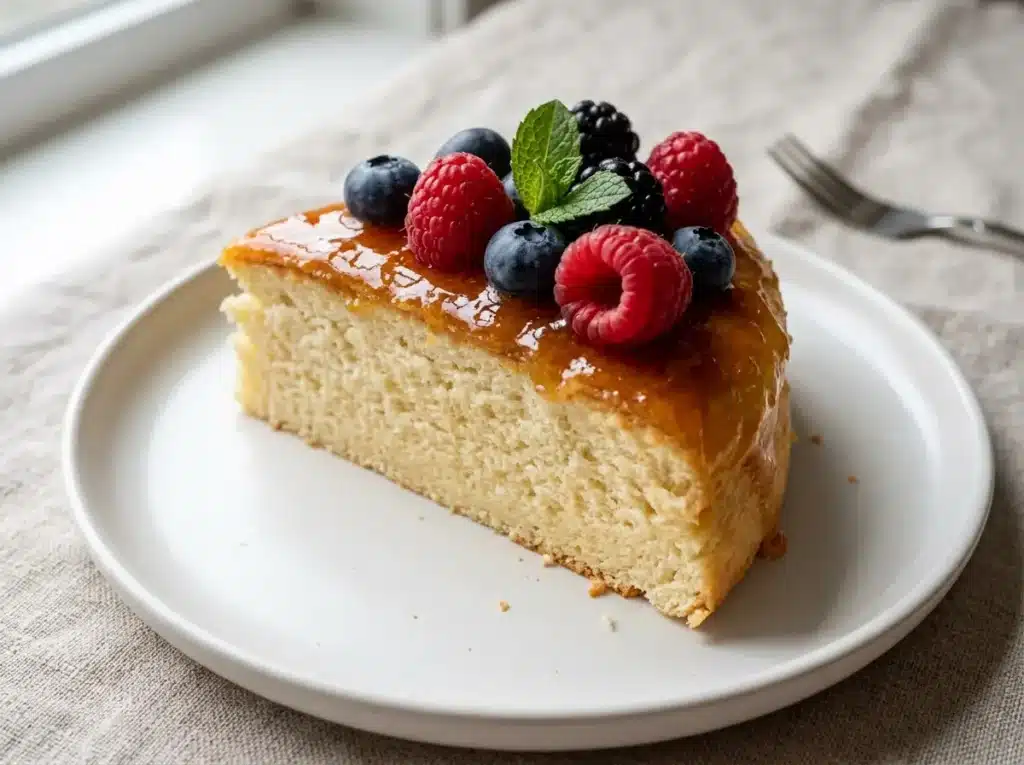
This cheesecake is traditionally served simply, with just a light apricot glaze brushed over the top for shine, letting the delicate flavor speak for itself. If you want to dress it up for a gathering, a few fresh berries on the side add color without overwhelming the mild sweetness. For a heartier dessert table, pairing a slice alongside my Strawberry Shortcake Cheesecake Truffles gives guests a nice contrast between the airy souffle texture and a denser, creamier bite.
Storing and Make-Ahead Tips
Japanese cheesecake actually improves slightly after a few hours in the fridge, since chilling firms up the structure just enough to make slicing cleaner without losing the jiggle. Store leftovers covered in the refrigerator for up to 4 days. It does not freeze particularly well, since the delicate meringue structure tends to weep moisture once thawed, so this is best planned as a fresh, near-term bake rather than a freezer staple.
If you are baking for a crowd and want a make-ahead backup option that holds up better in the freezer, my Apple Cinnamon Cheesecake Crumble is a sturdier, more freezer-friendly alternative that still satisfies a cheesecake craving.
5 Mistakes to Avoid
- Using cold ingredients. I ruined my first attempt by pulling eggs straight from the fridge, and the batter never came together smoothly. Bring everything to room temperature first.
- Overwhipping the meringue. Stiff, dry peaks are harder to fold in evenly and increase the risk of cracking on top.
- Skipping the water bath. This is not optional for this style of cheesecake, it is the entire reason the texture stays soft and even.
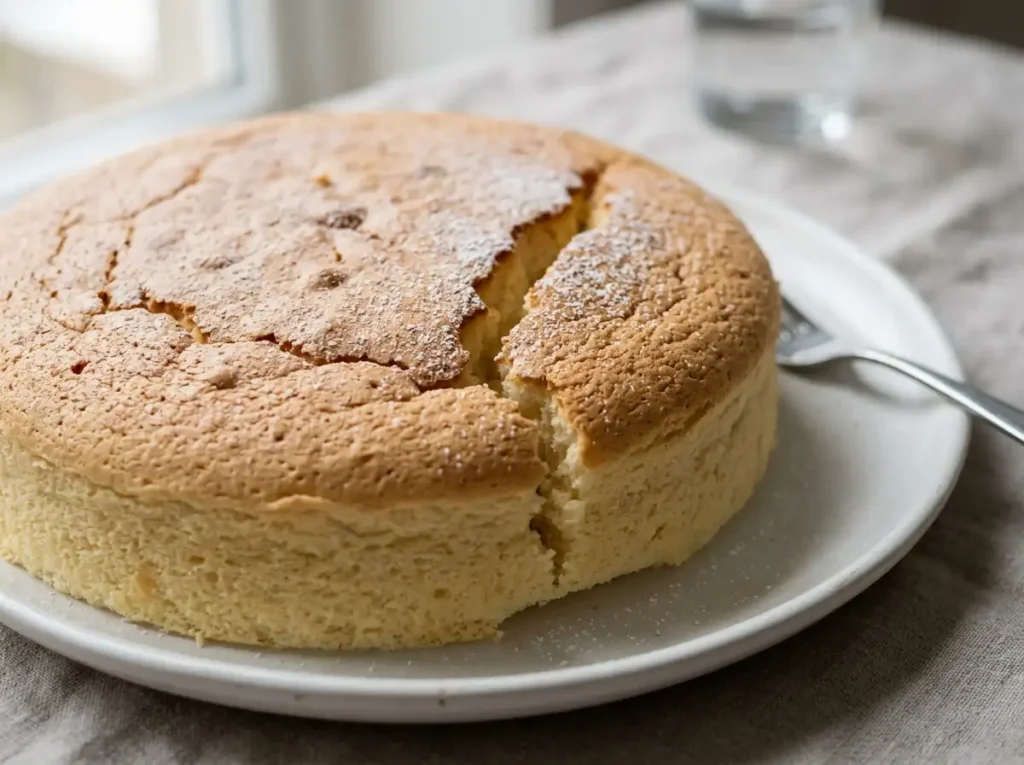
- Opening the oven door too early. A sudden temperature drop can cause the cake to sink dramatically in the center.
- Removing the cake from the oven too quickly after baking. Cooling gradually with the door cracked open prevents a sudden collapse from rapid temperature change.
If you want a simpler entry point into cheesecake-style desserts before tackling the souffle technique, my Cinnamon Rolls Frosting Recipe uses cream cheese in a much more forgiving format, no water bath required.
FAQ About Japanese Cheesecake
What makes Japanese cheesecake different from regular cheesecake?
Japanese cheesecake uses whipped egg whites folded into the batter, giving it a light, airy, souffle-like texture instead of the dense, custardy texture of New York cheesecake. It also contains far less sugar and cream cheese relative to its size, making the flavor much milder. The baking method, a low-temperature water bath, is also key to its unique jiggly texture.
Why does Japanese cheesecake jiggle?
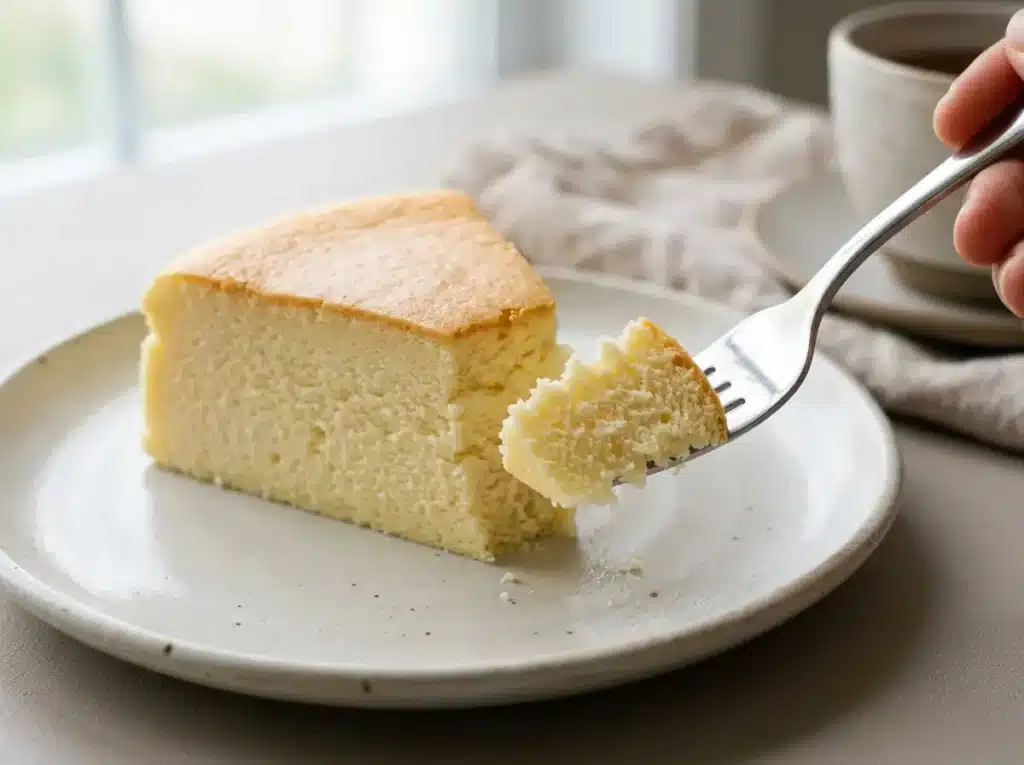
The jiggle comes from the delicate meringue structure created by whipped egg whites, which trap air bubbles throughout the batter. Baking at a low, gentle temperature in a water bath sets this structure without deflating it. A properly baked cheesecake should wobble slightly when the pan is gently shaken, without looking wet or underbaked in the center.
Can I make Japanese cheesecake without a water bath?
A water bath is strongly recommended for this recipe, since it regulates oven humidity and prevents the delicate egg-white structure from setting too quickly. Skipping it significantly increases the risk of cracking and uneven texture. If you must skip it, lower your oven temperature further and watch the cake closely.
What is the best flour for Japanese cheesecake?
Cake flour is the best choice, since its lower protein content keeps the crumb light and tender compared to all-purpose flour. Some recipes also add a small amount of cornstarch alongside cake flour for extra tenderness. Avoid substituting bread flour or self-rising flour, since both will change the texture significantly.
How do you know when Japanese cheesecake is done baking?
The top should turn a light golden color, and the center should spring back gently when touched rather than looking wet or jiggling excessively. A slight, gentle wobble is normal and expected, but liquid movement underneath the surface means it needs more time. Cooling gradually in the oven with the door cracked prevents sudden sinking after baking.
How long does Japanese cheesecake last in the fridge?
Properly stored in an airtight container, Japanese cheesecake keeps well in the refrigerator for up to 4 days. It is not ideal for freezing, since the delicate texture tends to release moisture once thawed. For best texture and flavor, plan to bake it within a few days of serving.
Why did my Japanese cheesecake collapse after baking?
Collapsing is usually caused by a sudden temperature change, either from opening the oven door too early or removing the cake from the oven too quickly after baking. Overwhipped or underfolded meringue can also cause the structure to be too fragile to hold its rise. Cooling gradually with the oven door cracked open for about an hour helps prevent this.
Conclusion
Japanese cheesecake rewards patience more than skill, the technique is simple once you understand why each step matters, from the gentle water bath to the careful folding of the meringue. Once you nail the process, you will understand exactly why this dessert has built such a devoted following well beyond Japan. Give it a try this weekend, and if you love cheesecake in all its forms, my Apple Cinnamon Cheesecake Crumble is another easy way to satisfy that same craving with a completely different texture.
About the Author: Chef Elise writes wholesome, family-tested recipes at TasteOurDish.com. She learned to cook watching her grandmother’s hands, and she now tests every recipe in her own kitchen before sharing it with readers.