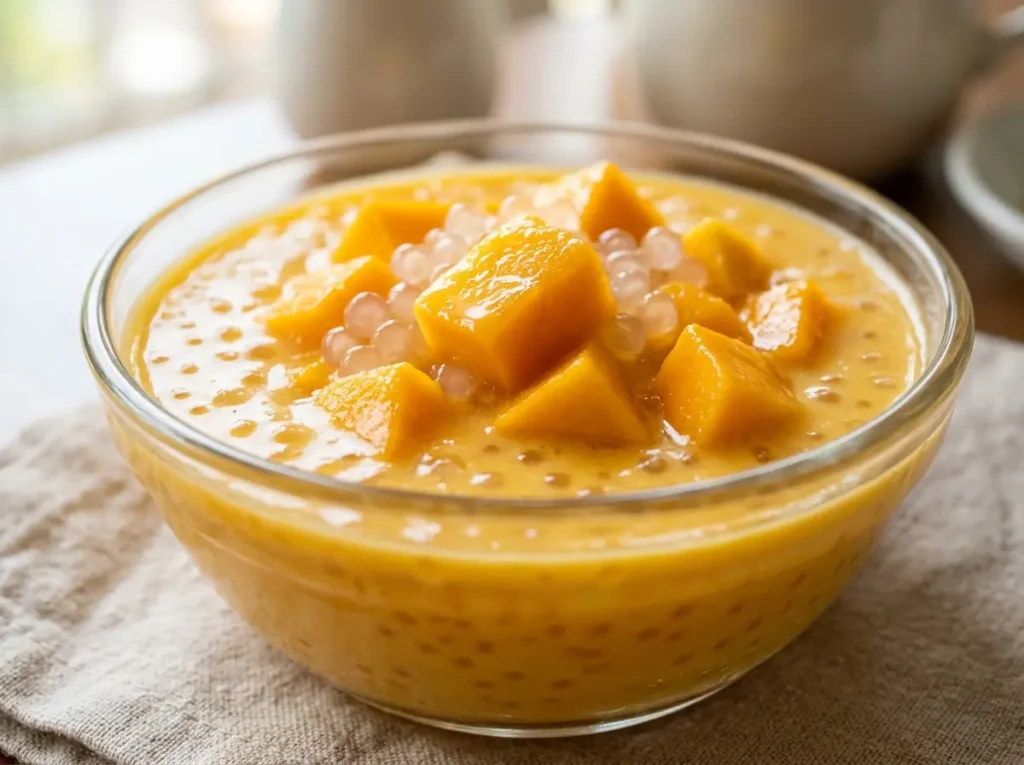
There are desserts that ask for patience, and then there are desserts like this one, the kind you make once and suddenly wonder how you ever lived without it. The first time I tasted mango sago, I remember the cool spoonful hitting before the sweetness did. Silky mango, tiny pearls with that soft chew, and a creamy finish that felt light instead of heavy.
That is exactly why this mango sago recipe deserves a permanent place in your kitchen. It is bright, creamy, refreshing, and simple enough to make on an ordinary afternoon, yet beautiful enough to serve when guests are coming over. It tastes like something from a dessert café, but the method is wonderfully straightforward.
At tasteourdish.com, Chef Elise recipes are meant to feel comforting and generous, the kind of food that slips into family tradition. This one may not have started in my childhood kitchen, but it has quickly become one of those bowls everyone asks for again the minute mango season arrives.
If you enjoy chilled creamy treats with a nostalgic feel, you may also love our Best Organic Gelatin guide for more soft-set dessert inspiration.
For a classic background reference on this dessert style, see this mango sago recipe reference.
Table of Contents
Table of Contents
Key Takeaways for This Mango Sago Recipe
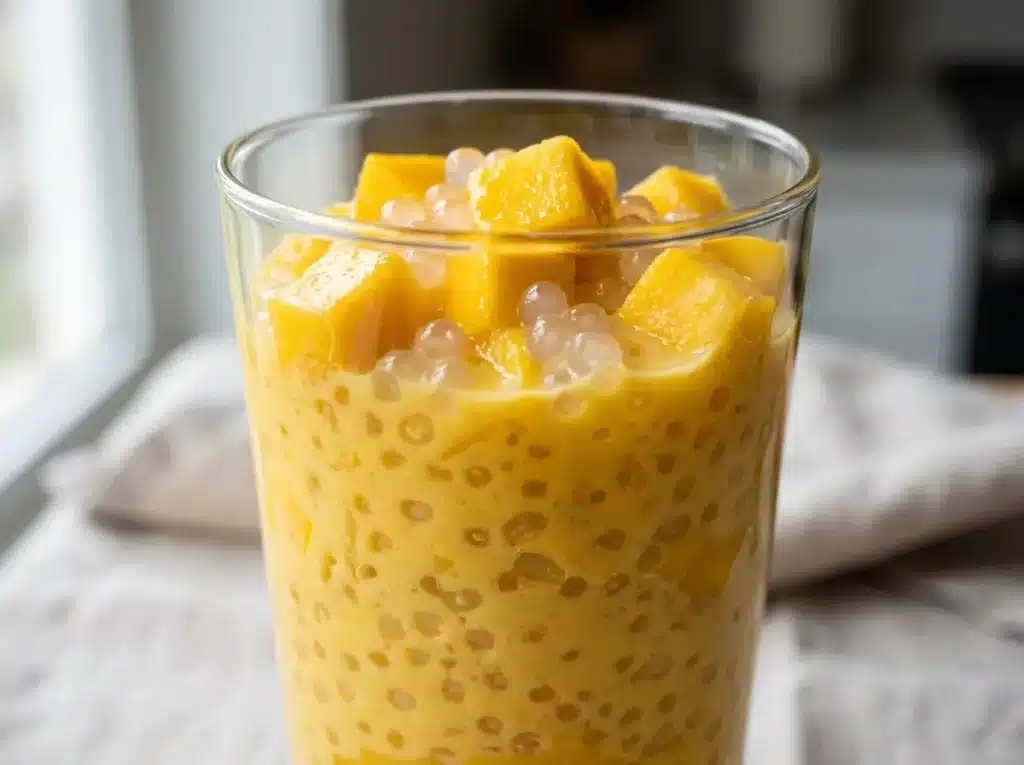
This mango sago recipe combines ripe mangoes, cooked tapioca pearls, and a creamy milk mixture into a cold dessert that feels both luxurious and easy. The texture is the real charm: smooth mango puree, tender chewy sago, and a creamy base that ties everything together.
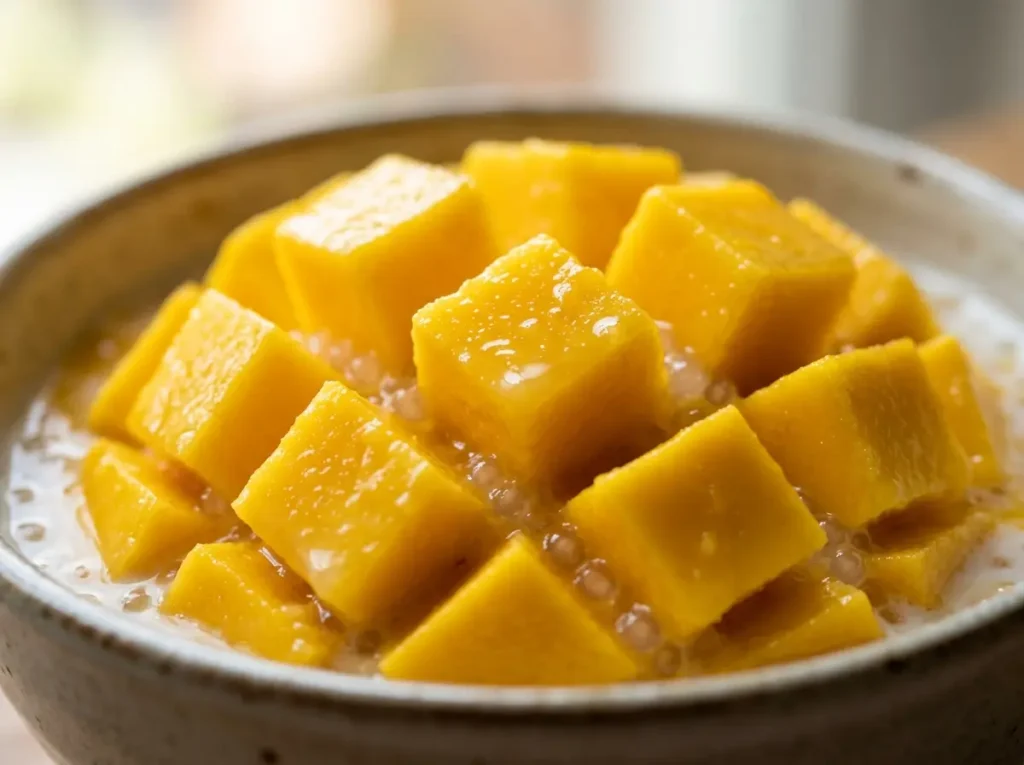
The secret to the best result is using very ripe mangoes. If the fruit is bland, the dessert will be bland. This is one of those recipes where ingredient quality matters far more than technique.
You can make this recipe with coconut milk, evaporated milk, whole milk, or even a lighter dairy-free version. That flexibility makes it one of the easiest tropical desserts to adapt based on what you already have at home.
Chilling the dessert before serving is not optional. Mango sago becomes smoother, thicker, and far more refreshing after resting in the refrigerator for at least 1 hour.
This easy mango sago recipe is ideal for warm weather, dinner parties, casual family desserts, or when you simply need something cool and creamy without turning on the oven.
What Is Mango Sago Recipe?
A mango sago recipe is a chilled mango dessert made with ripe mangoes, small tapioca pearls called sago, and a creamy milk base, often including coconut milk or condensed milk. It is especially popular across Hong Kong-style dessert cafés and throughout Southeast Asian home kitchens, with many versions also loved in Filipino households.
What makes mango sago different from a typical pudding is the texture. Instead of being completely smooth, it gives you little bursts of chew from the tapioca pearls and juicy bites of mango throughout. It is part pudding, part fruit dessert, and part drinkable treat depending on how thick you make it.
This version leans creamy, balanced, and family-friendly. It keeps the fruit flavor front and center while using just enough sweetened milk to make every spoonful feel rich and complete.
Mango Sago Recipe Ingredients
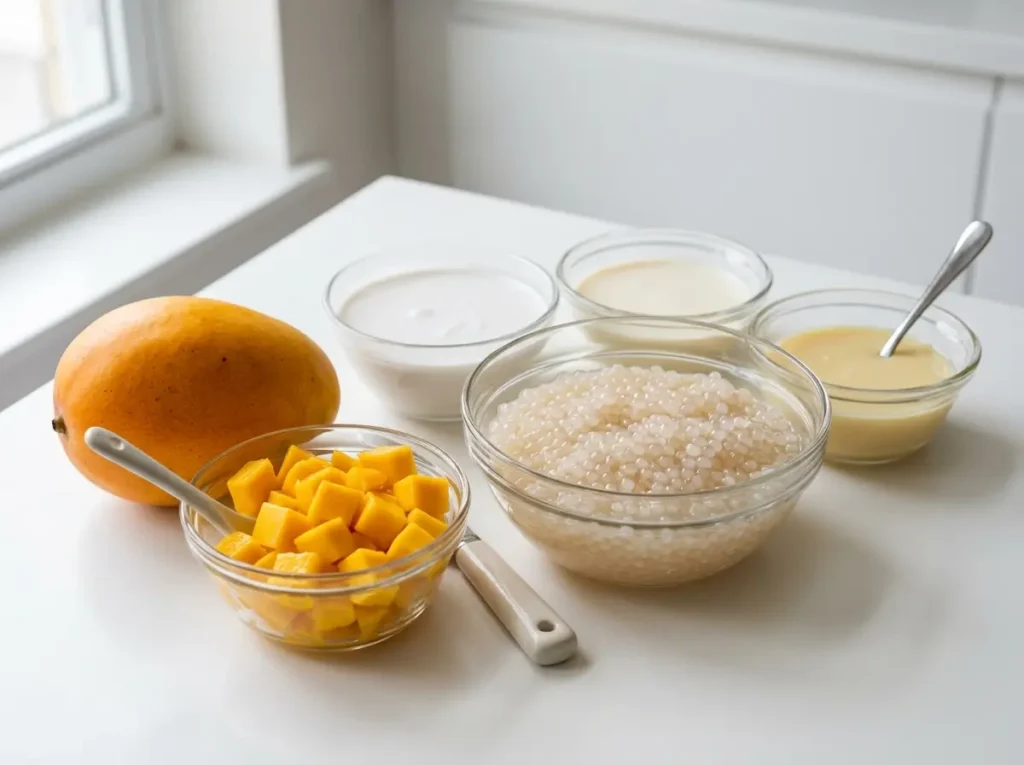
This dessert uses simple ingredients, but each one matters. The mangoes bring the perfume and sweetness, the sago provides that signature chew, and the milk mixture creates the creamy body that makes the whole dessert feel special.
For the mango sago:
2 large ripe mangoes, peeled and diced, plus extra for garnish if desired
1/2 cup small tapioca pearls or sago pearls
1 cup full-fat coconut milk
1/2 cup evaporated milk
1/3 cup sweetened condensed milk, or more to taste
1/4 cup cold water, only if needed for thinning
Ice cubes, optional for serving
Optional toppings: extra mango cubes, pomelo segments, mint leaves, or a small drizzle of coconut cream.
Print
7 Best Mango Sago Recipe Secrets for Creamy Tropical Blis
- Total Time: 17 minutes
- Yield: 2 servings 1x
Description
The best grinder sandwich recipe with Italian deli meats, melted provolone, and a creamy chopped grinder salad piled on toasted hoagie bread.
Ingredients
- 1 large Italian hoagie roll or sub loaf
- 4 oz thinly sliced Genoa salami
- 4 oz thinly sliced pepperoni
- 4 oz thinly sliced deli ham
- 4 slices provolone cheese
- 2 cups iceberg lettuce, finely chopped
- 1/4 cup pepperoncini, sliced
- 1/4 red onion, thinly sliced
- 1 medium tomato, thinly sliced
- 3 tbsp mayonnaise
- 1 tbsp red wine vinegar
- 1 tsp dried Italian seasoning
- 1/2 tsp dried oregano
- 1/4 tsp red pepper flakes
- Salt and black pepper to taste
- 2 tbsp freshly grated Parmesan cheese
Instructions
- Preheat oven to 350°F and slice the hoagie roll in half lengthwise.
- Layer provolone on one side and deli meats on the other side.
- Bake for 5 to 7 minutes until the cheese melts and the meat warms through.
- Whisk the mayo, vinegar, seasoning, oregano, red pepper flakes, salt, and pepper.
- Toss the lettuce, pepperoncini, and onion with the dressing.
- Add tomato slices, pile on the salad, close the sandwich, slice, and serve immediately.
Notes
Use a sturdy Italian hoagie roll so the sandwich does not get soggy.
Make the salad fresh right before serving.
Store the dressing separately if prepping ahead.
Try it with creamy soup or chips for a full deli style meal.
- Prep Time: 10 minutes
- Cook Time: 7 minutes
- Category: Lunch, Dinner
- Method: Bake, No-Cook Salad
- Cuisine: American, Italian-American
Nutrition
- Serving Size: 1 half sandwich
- Calories: 520
- Sugar: 3g
- Sodium: 980mg
- Fat: 31g
- Saturated Fat: 10g
- Unsaturated Fat: 18g
- Trans Fat: 0g
- Carbohydrates: 32g
- Fiber: 2g
- Protein: 28g
- Cholesterol: 75mg
How to Make Mango Sago Recipe Step by Step
This dessert is easier than it looks. The only part that asks for attention is cooking the sago properly so it turns clear and tender instead of chalky in the center.
Step 1: Cook the Tapioca Pearls
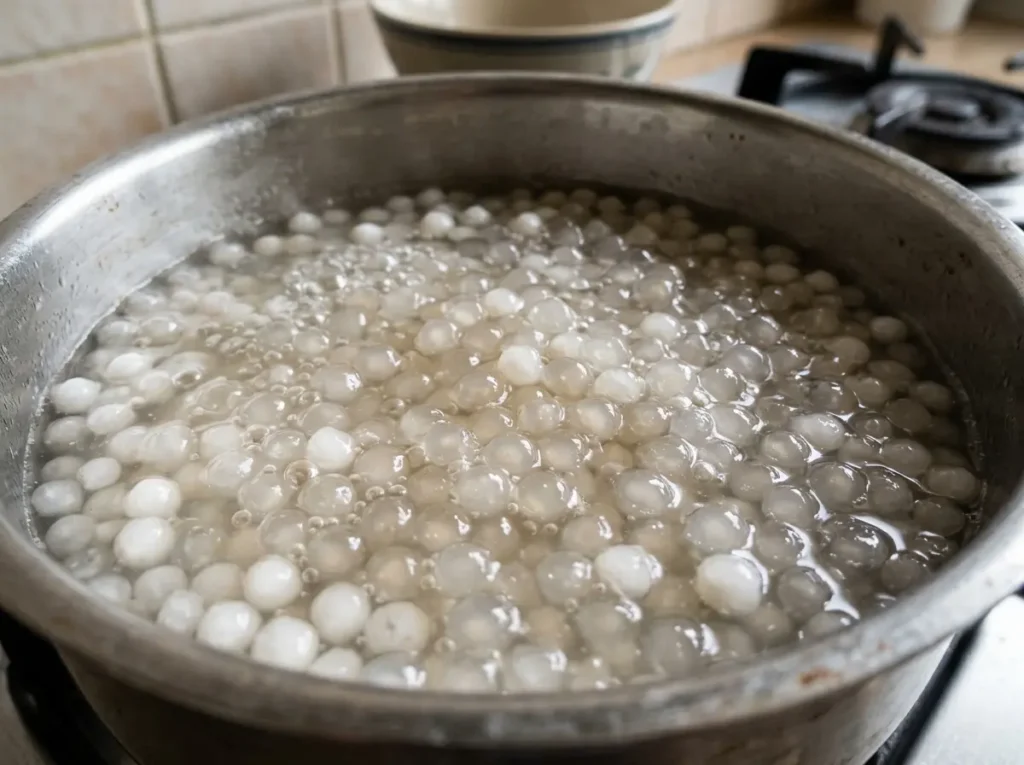
Bring a medium pot of water to a rolling boil. Add the tapioca pearls and stir immediately so they do not stick to the bottom. Reduce to a gentle simmer and cook according to package directions, usually 10 to 15 minutes, stirring occasionally. Once most of the pearls look translucent with just a tiny dot in the center, turn off the heat, cover the pot, and let them rest for 10 more minutes. This resting step finishes the center without overcooking the outside.
Step 2: Rinse and Cool the Sago
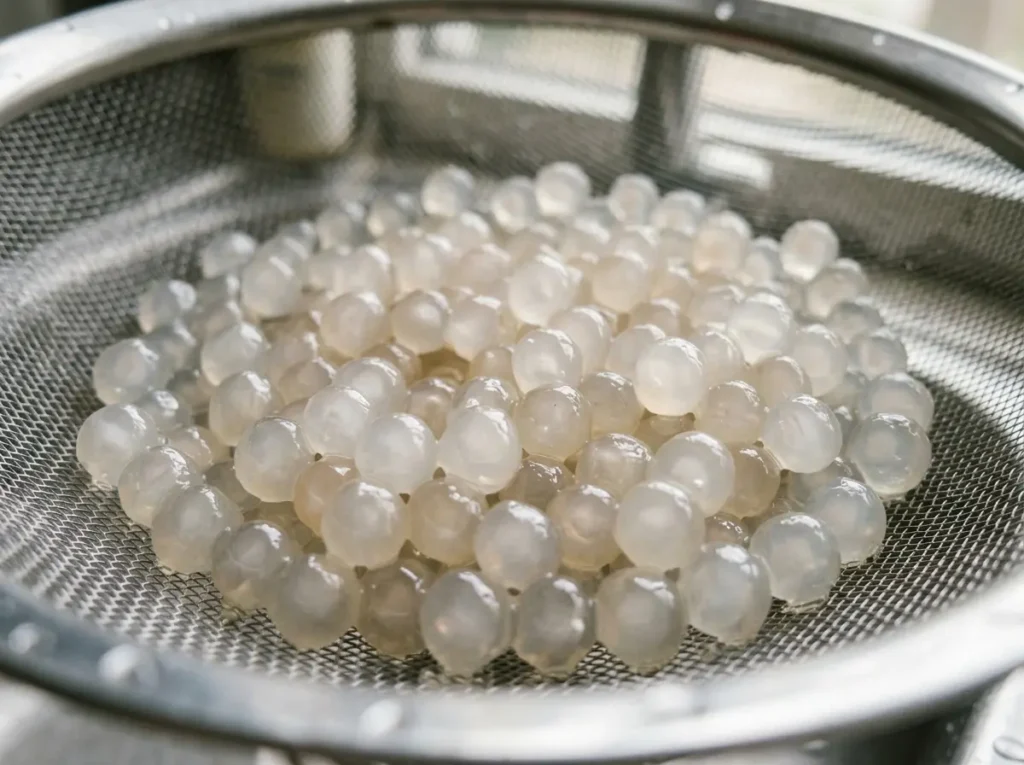
Drain the cooked pearls through a fine mesh strainer and rinse them well under cold running water. This stops the cooking and washes away excess starch so the pearls stay pleasantly separate instead of turning gummy. Set them aside to drain fully while you prepare the mango mixture.
Step 3: Blend the Mango Base
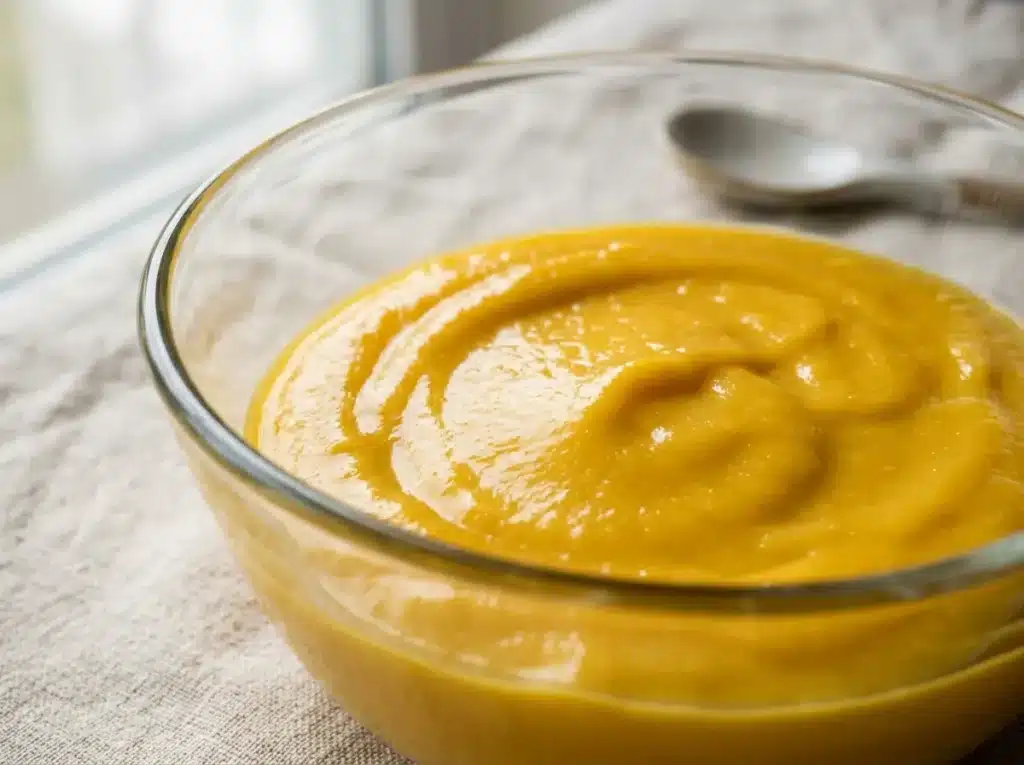
Add about two-thirds of the diced mango to a blender along with the coconut milk, evaporated milk, and sweetened condensed milk. Blend until completely smooth and creamy. Taste it right here. If your mangoes are very sweet, it may already be perfect. If not, add a bit more condensed milk until the flavor tastes full and sunny. If the mixture feels too thick, blend in a splash of cold water.
Step 4: Combine Everything
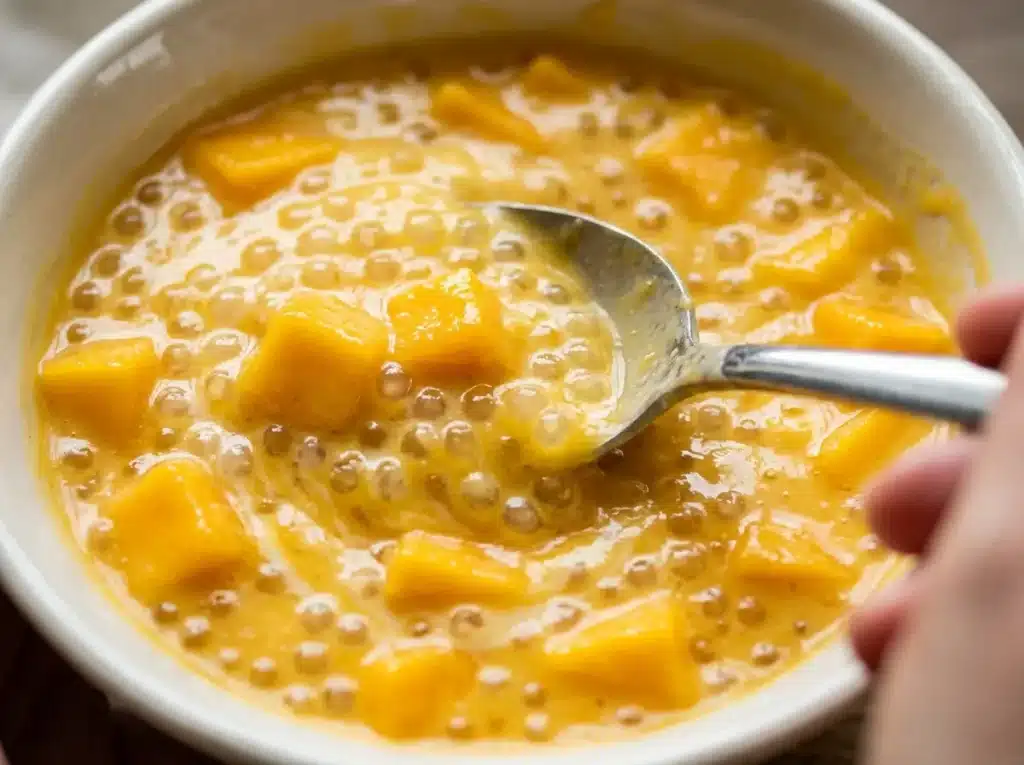
Pour the blended mango cream into a large bowl. Add the drained sago pearls and the remaining diced mango. Stir gently until everything is evenly distributed. You want every spoonful to catch both mango and tapioca. The dessert should look thick but still loose enough to scoop easily.
Step 5: Chill Before Serving
Cover the bowl and refrigerate for at least 1 hour, or until nicely cold. The chilling time lets the flavors settle and helps the texture turn creamy and cohesive. When ready to serve, spoon into glasses or dessert bowls and top with extra mango cubes, pomelo, or a little mint if you want a fresh finish.
For a relaxed dessert spread, serve this after a savory comfort dish like Creamy Potato Soup or alongside a light snack board when the weather turns warm.
Best Variations for Mango Sago Recipe
One of the best things about a mango sago recipe is how easy it is to adjust. Once you know the core formula, you can shift the flavor and richness based on what your family prefers.
| Variation | What Changes | Best For |
|---|---|---|
| Mango sago recipe with condensed milk | Sweeter, richer finish | Dessert lovers who want café-style creaminess |
| Mango sago recipe without coconut milk | Use whole milk or evaporated milk only | People who prefer a lighter dairy taste |
| Healthy mango sago recipe | Use less condensed milk and more fresh fruit | A lighter everyday dessert |
| Filipino mango sago recipe | Often creamier with familiar pantry milk options | Home-style comforting sweetness |
| Mango sago coconut tapioca pudding | Make it thicker with less liquid | Spoonable pudding texture |
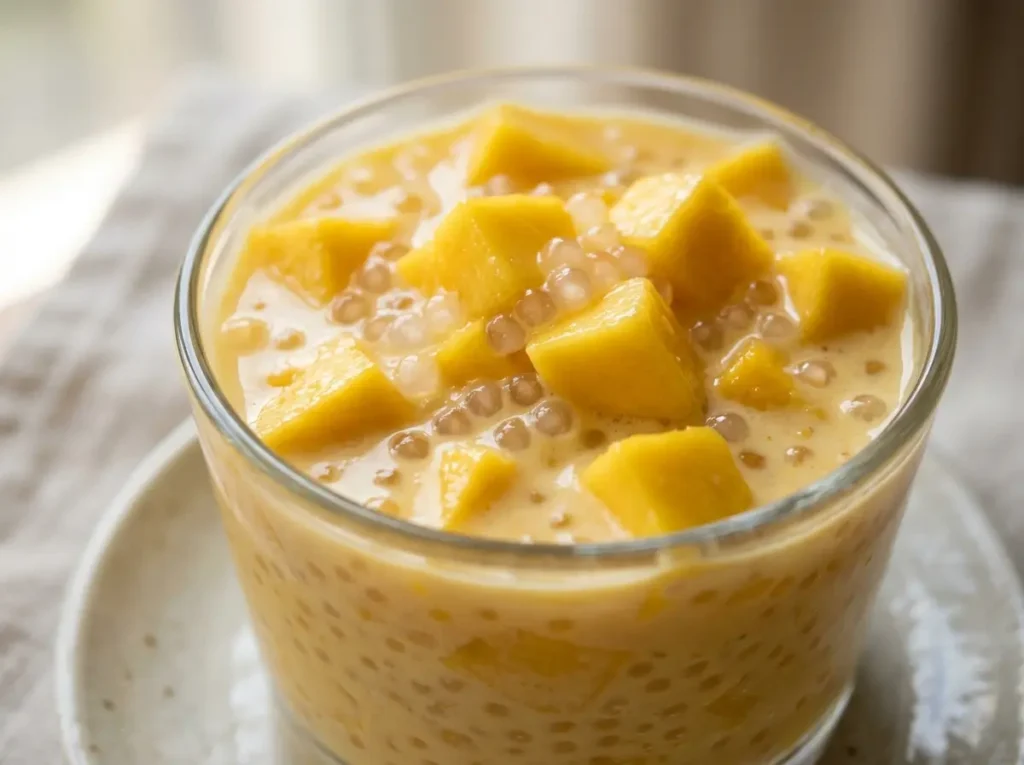
If you want an extra burst of brightness, fold in pomelo segments right before serving. That sweet-citrus bitterness cuts through the richness beautifully and gives the dessert a more restaurant-style finish.
Why This Mango Sago Recipe Works
This dessert works because it hits three textures at once. The mango puree is silky, the sago is softly chewy, and the mango cubes bring juicy freshness. A good dessert rarely depends on sweetness alone, and this one proves it with every spoonful.
It also scales beautifully. You can double it for a gathering, portion it into jars for a dinner party, or keep a bowl in the refrigerator for family snacking the next day. It feels elegant without demanding much effort, which is exactly the sort of recipe that tends to stick around in real kitchens.
The flavor balance is especially important. Coconut milk adds body, evaporated milk softens the tropical edge, and condensed milk brings sweetness without forcing you to make a syrup separately. That makes this mango sago recipe both practical and deeply satisfying.
Make-Ahead Tips for Mango Sago Recipe
This is an excellent make-ahead dessert, but a couple of small details matter. The texture is best on the first day, once the mixture has chilled and thickened slightly. By the second day, it is still delicious, but the sago may absorb more liquid and become softer.
If you are making it ahead for guests, prepare the full base several hours in advance and hold back a few mango cubes for topping just before serving. That keeps the final presentation bright and fresh. You can also chill it in individual serving glasses to save time later.
Store leftovers covered in the refrigerator for up to 2 days. Stir before serving, and if it has thickened too much, loosen it with a tablespoon or two of cold milk or coconut milk until it returns to the texture you want.
5 Mistakes to Avoid With Mango Sago Recipe
A good mango sago recipe is simple, but a few common mistakes can affect texture fast. These are the ones worth watching closely.
The first mistake is using under-ripe mangoes. If the fruit is firm, pale, or lacking fragrance, the finished dessert will never taste luscious enough. Choose mangoes that smell sweet near the stem and give slightly when pressed.
The second mistake is undercooking the sago. Pearls with opaque centers feel chalky and distracting. Let them rest covered off the heat so they finish becoming translucent without falling apart.
The third mistake is forgetting to rinse the cooked pearls. Excess starch makes everything gluey. A cold rinse keeps the pearls tender and clean in texture.
The fourth mistake is oversweetening before chilling. Sweetness becomes more noticeable once the dessert is cold and settled. Taste for balance, not intensity, and add more only if it truly needs it.
The fifth mistake is serving it too soon. This dessert needs time in the refrigerator to become what it is meant to be: cool, creamy, and refreshing instead of just blended fruit with pearls in it.
Frequently Asked Questions About Mango Sago Recipe
What is mango sago made of?
Mango sago is made of ripe mangoes, small tapioca pearls or sago, and a creamy milk mixture that often includes coconut milk, evaporated milk, and sweetened condensed milk. Some versions also include pomelo for a fresh citrus bite.
Is mango sago Filipino or Chinese?
Mango sago is strongly associated with Hong Kong-style dessert cafés, but versions of it are also widely loved in Filipino kitchens. Today, it is best understood as a popular Asian mango dessert with several regional home-style variations.
Can I make mango sago recipe without coconut milk?
Yes. You can make a mango sago recipe without coconut milk by replacing it with more evaporated milk, whole milk, or even a light cream mixture. The dessert will taste less tropical but still creamy and delicious.
How long does mango sago last in the fridge?
Mango sago is best eaten within 1 to 2 days. Keep it covered in the refrigerator, stir before serving, and thin with a small splash of milk if it becomes too thick.
What kind of tapioca pearls should I use for mango sago recipe?
Small white tapioca pearls or traditional sago pearls work best for mango sago recipe. They cook more quickly, blend better into the creamy dessert, and create the classic soft-chewy texture.
Can I use frozen mango for mango sago recipe?
Yes, frozen mango works well if it is fully thawed before blending. Choose unsweetened mango pieces and drain away any extra liquid so the dessert keeps its rich creamy consistency.
Why is my mango sago too thick?
Your mango sago may be too thick because the sago has absorbed more liquid during chilling. Simply stir in a little cold milk or coconut milk until the texture loosens back to a creamy spoonable consistency.
Conclusion: A Mango Sago Recipe Worth Repeating
This mango sago recipe is one of those desserts that feels special without asking much from you. It gives you color, texture, freshness, and creaminess all in one bowl, and it manages to feel both light and comforting at the same time.
Some recipes become favorites because they are impressive. Others stay because they are easy enough to make again next week. This one does both. Once you find a good ripe mango, you are already halfway there.
Serve it cold, spoon it generously, and do not be surprised if everyone asks for the recipe before the bowls are empty.