Table of Contents
Table of Contents
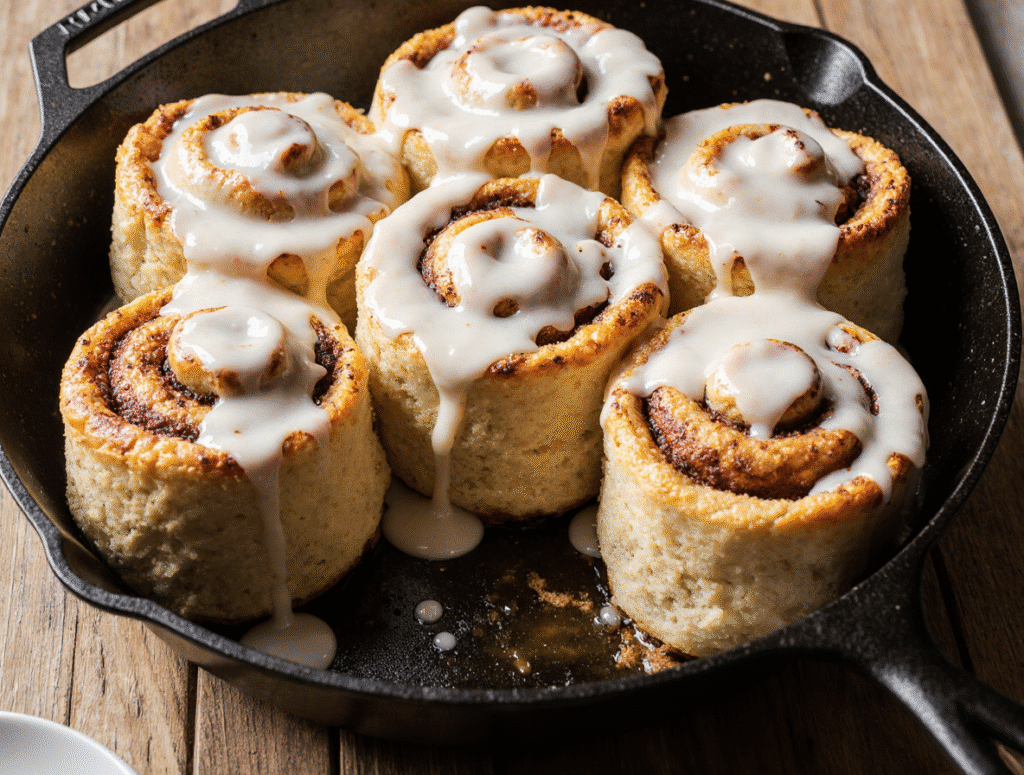
No-knead-cinnamon-rolls offer all the gooey, swirled comfort of classic rolls without the arm workout or long, fussy steps. Instead of kneading, the dough rests and develops gluten on its own, so you still get soft layers and a rich cinnamon filling with less effort. This article walks through a cozy backstory, the key ingredients that make no-knead dough work, step-by-step timing tips, and answers to popular questions about heavy cream, soft texture, and common cinnamon roll mistakes. Along the way, it points readers toward cozy bakes like chewy honey sesame cookies and soft frosted eggnog cookies so your whole brunch spread feels warm and inviting.
No-Knead-Cinnamon-Rolls
From Tired Arms to No-Knead Tradition
The first time no-knead-cinnamon-rolls landed on my table, they started as a compromise. It was a cold Sunday morning, and the craving for warm, homemade rolls hit hard—but the thought of kneading dough for ten minutes straight did not. So instead, a simple dough came together in one big bowl: flour, yeast, sugar, melted butter, milk, and a pinch of salt. After a quick stir, the bowl went into a warm corner, and the dough did its own work. When it came back, it was puffy, stretchy, and ready to roll without a single fold or slap on the counter.
That batch changed weekend breakfasts in my house. No-knead-cinnamon-rolls meant more time sipping coffee and less time wrestling dough, while still filling the kitchen with that classic cinnamon-sugar aroma. The rolls baked up with soft centers and golden tops, and the ease of the process made them feel doable even on busy mornings or holiday rush days. Once the pans came out, it felt natural to slide in another tray—maybe a quick round of chewy honey sesame cookies—so there would be something sweet waiting later in the afternoon too.
Why No-Knead-Cinnamon-Rolls Fit Real Life
No-knead-cinnamon-rolls fit real life because they lean on time instead of technique. Instead of perfect kneading, the dough rests and relaxes, letting gluten strands form slowly while you do something else—prep a glaze, set the table, or mix another recipe. The result is surprisingly tender rolls that feel just as indulgent as traditional versions, without requiring advanced bread skills. For newer bakers, that’s huge: you get the pride of homemade rolls without worrying if you “kneaded enough.”
This flexible timing also makes no-knead-cinnamon-rolls ideal for make-ahead mornings. You can mix the dough the night before, let it rise in the fridge, and shape and bake it fresh when you wake up. Pair them with a plate of soft frosted eggnog cookies around the holidays, and the whole kitchen feels like a bakery built on simple, realistic rhythms. With the story and purpose of these rolls in place, the next section digs into the exact ingredients and how they work together to keep the no-knead method soft, flavorful, and reliable.
Ingredients and Why No-Knead-Cinnamon-Rolls Work
Simple Pantry Ingredients for a Soft, No-Knead Dough
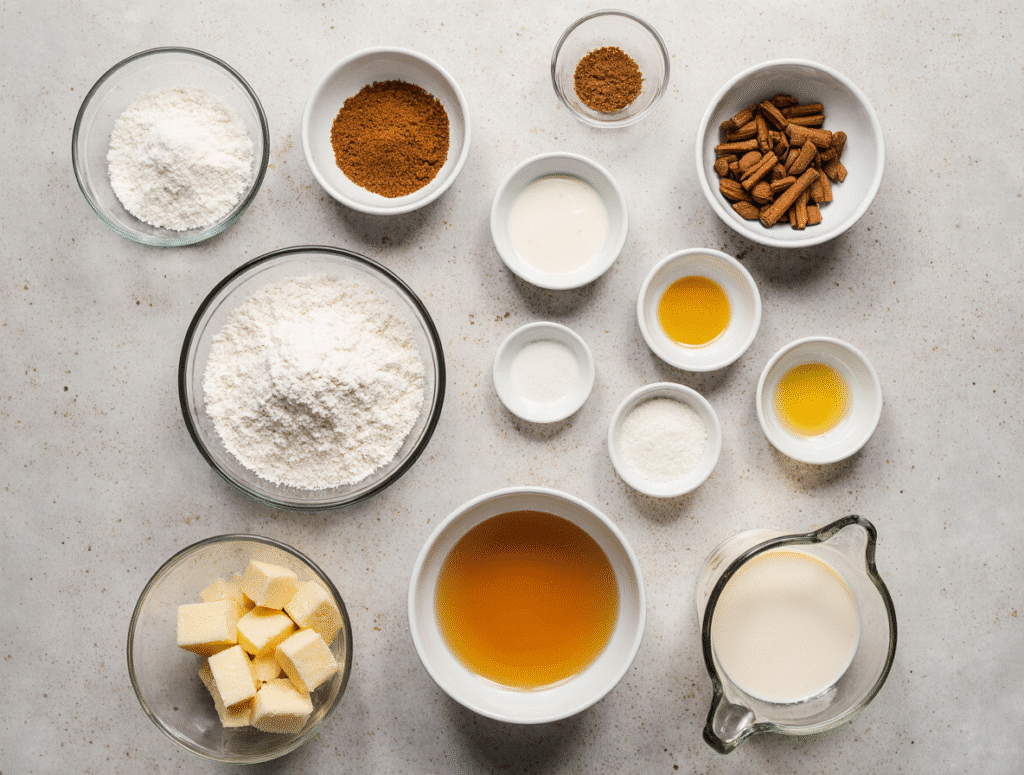
No-knead-cinnamon-rolls rely on a smart balance of wet and dry ingredients so the dough builds structure on its own while it rests. You’ll usually start with all-purpose flour, instant or active dry yeast, sugar, salt, warm milk or a mix of milk and water, melted butter, and sometimes an egg or two for extra richness. The warm liquid wakes up the yeast, sugar feeds it, and melted butter keeps the crumb soft so you still get that bakery-style pull-apart texture without kneading. A slightly higher hydration (more liquid relative to flour) keeps the dough looser and easier to stir with just a spoon.
For the filling, just spread on softened butter, sprinkle with brown sugar, and add plenty of cinnamon for a gooey, flavorful swirl. Many bakers also mix in a dash of nutmeg or chopped nuts for variety. Top warm rolls with cream cheese frosting made from softened cream cheese, powdered sugar, butter, vanilla, and a splash of milk, so the icing melts perfectly into the spirals. Once you master this base, you can quickly bring comforting bakes like chewy honey sesame cookies into your morning routine for an easy treat.
Here’s a sample breakdown to keep your no-knead-cinnamon-rolls balanced:
| Component | Typical Ingredients | Role in No-Knead Rolls |
|---|---|---|
| Dough base | Flour, yeast, sugar, salt | Structure, rise, and light sweetness |
| Liquid & fat | Warm milk/water, melted butter, eggs (optional) | Hydration, tenderness, rich flavor |
| Filling | Butter, brown sugar, cinnamon | Gooey center and strong cinnamon flavor |
| Frosting | Cream cheese, butter, powdered sugar, vanilla, milk | Tangy-sweet finish that melts into warm rolls |
Flavor Boosts, Variations, and How They Compare
One of the perks of no-knead-cinnamon-rolls is how easily you can tweak them without complicated technique changes. Swap some of the white sugar for honey or maple syrup if you want deeper, more caramel-like sweetness. Use part heavy cream in the dough or pour a little over the rolls before baking for extra softness and richness. Add orange zest to the filling for a bright bakery twist, or sprinkle chopped pecans on top before baking for crunch. If you love holiday flavors, you can even spike the frosting with a splash of eggnog, then serve the rolls alongside a plate of soft frosted eggnog cookies to carry that festive profile across your dessert table.
Because the dough is forgiving, these variations rarely require more than tiny adjustments to flour to keep the texture on track. You can keep the base recipe steady and simply rotate fillings and frostings to match the season—cinnamon-pecan for fall, orange-cardamom for winter, or a lighter glaze when you want something less rich. With these ingredient principles set, you’re ready for the next part: step-by-step no-knead timing, plus how heavy cream, resting time, and gentle handling help you avoid the most common cinnamon roll mistakes.
Step-by-Step No-Knead-Cinnamon-Rolls and Key Tips
Making and Baking No-Knead-Cinnamon-Rolls
Start by combining the no-knead dough ingredients (flour, yeast, sugar, salt, warm milk or water, melted butter, and eggs if using) in a large bowl. Stir until a shaggy dough forms—no kneading or heavy mixing needed. Cover with a towel or plastic wrap and let the dough rise for at least 1 hour at room temperature (for many overnight variations, refrigerate the dough for 8–12 hours to develop flavor and slow down rising).
Dust your surface with flour, turn out the dough, and roll it into a large rectangle (roughly 12 x 17 inches). Brush with melted butter, sprinkle with a generous mix of brown sugar and cinnamon, and add any extras—nuts or raisins as you prefer. Starting at the long edge, roll up tightly into a log, then slice into even pieces with a sharp knife or floss (usually 12 per batch). Arrange the rolls in a buttered 9×13-inch or larger pan and let them rise, covered, about 30–60 minutes until puffy and touching.
Preheat the oven to 350°F (175°C). Bake for 25–35 minutes, rotating the pan halfway through if needed. Rolls should be golden on top and soft in the center. While they cool slightly, mix up the frosting—cream cheese, powdered sugar, melted butter, vanilla, and a bit of milk or cream for easy spreading.
Why Pouring Heavy Cream on Cinnamon Rolls Works
Before baking, pour ½ cup to 1 cup of heavy cream over the shaped, unbaked rolls in the pan. The cream steams and soaks into the dough as the rolls bake, keeping the bottom extra gooey and the interior soft and rich. This popular technique—sometimes called the “TikTok cinnamon roll hack”—ensures a pull-apart center and a decadent sauce under each roll rather than dry edges.
After baking, frost warm rolls so the icing melts into the swirls for an ultra-gooey finish. Serve fresh; for a classic pairing, add a tray of air fryer sweet potato cubes for sweet-and-savory contrast, or finish brunch with best peanut butter cookies recipe when you want variety on your table.
FAQs, Mistakes, and Simple Wrap-Up for No-Knead-Cinnamon-Rolls
Heavy Cream, Soft Rolls, and Dirty Cinnamon Rolls
What does pouring heavy cream on cinnamon rolls do?
Pouring heavy cream over shaped no-knead-cinnamon-rolls before baking turns the bottom into a rich, almost custardy sauce and keeps the centers extra soft. As the rolls bake, the cream steams and mixes with the sugar and butter, so every bite feels plush and gooey instead of dry. Many home bakers use this trick on both scratch dough and canned rolls for a more “bakery-style” finish.
What is the secret to soft cinnamon rolls?
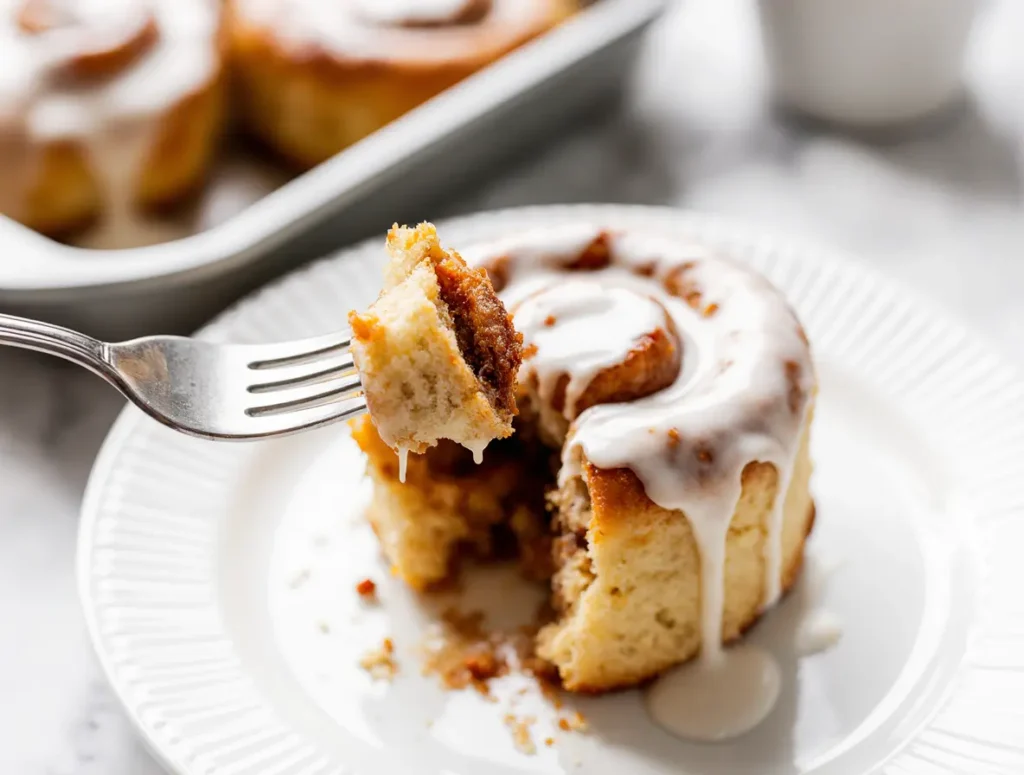
Soft cinnamon rolls come from three main habits: using enough fat (butter, cream, or eggs) in the dough, not adding too much flour, and avoiding overbaking. Let the dough rise until puffy rather than watching the clock, and bake just until the tops are golden and the centers read about 190°F on a thermometer. Gentle handling matters too; treat no-knead-cinnamon-rolls like a soft pillow, not a stress ball, and frost them while still warm so the icing locks in moisture.
What is a dirty cinnamon roll?
A “dirty” cinnamon roll usually refers to a roll that gets an extra hit of flavor or color from add-ins, often inspired by “dirty” coffee drinks. Some versions use brown butter, espresso, cocoa, or extra caramel to deepen the filling, while others drizzle coffee-spiked glaze or even a shot of espresso over the baked rolls. For your own spin, you could pair a coffee-laced glaze with a dessert board that includes chewy honey sesame cookies and vegan oatmeal cookies so there’s a mix of textures and intensities on one tray.
What are some common mistakes when making cinnamon rolls?
Common mistakes include killing the yeast with liquid that’s too hot, adding too much flour to fix a sticky dough, rushing the rise, and overbaking. Too-hot liquid stops the dough from rising, while extra flour makes rolls dense and dry. Skipping the proof means tight spirals that never puff, and a few extra minutes in the oven can turn soft rolls tough. Another issue is rolling too loosely so the filling leaks out in the pan instead of staying inside the spirals. With no-knead-cinnamon-rolls, it helps to keep the dough slightly sticky, give it enough rising time, and roll into a firm but not crushed log.
Short Conclusion and Next Recipe Ideas
No-knead-cinnamon-rolls give you all the drama of tall, spiraled rolls with a gentle, low-effort method that leans on time, rest, and smart hydration instead of kneading skills. With simple pantry ingredients, a heavy-cream trick for extra-gooey centers, and a few easy fixes for common mistakes, you can bring bakery-level rolls to the table even on busy mornings. For a full menu that stays on brand with cozy comfort, serve warm rolls next to something savory and simple, then finish the day with sweet favorites like air fryer sweet potato cubes and the classic best peanut butter cookies recipe so your readers always have one more treat to try.
Print
No-Knead-Cinnamon-Rolls: Soft, Simple Comfort for Busy Mornings
- Total Time: 2 hours
- Yield: 12 rolls 1x
- Diet: Vegetarian
Description
No-knead-cinnamon-rolls made with a simple stir-together dough, gooey cinnamon-sugar filling, heavy cream for softness, and rich cream cheese frosting.
Ingredients
- 4 cups all-purpose flour
- 2 1/4 tsp instant or active dry yeast
- 1/3 cup granulated sugar
- 1 tsp fine salt
- 1 1/2 cups warm milk
- 1/4 cup melted butter
- 1 large egg (optional, for richness)
- 1/2 cup melted butter (for filling)
- 1 cup packed brown sugar (for filling)
- 2–3 tbsp ground cinnamon
- 1 cup heavy cream (poured over rolls before baking)
- 4 oz cream cheese, softened
- 1/4 cup softened butter (for frosting)
- 1 1/2 cups powdered sugar
- 1–3 tbsp milk or cream (to thin)
- 1 tsp vanilla extract
Instructions
- In a large bowl, whisk flour, yeast, sugar, and salt together.
- Add warm milk, melted butter, and egg if using. Stir with a spoon until a soft, sticky dough forms.
- Cover bowl and let rise 1–1 1/2 hours at room temperature, or refrigerate overnight until doubled and bubbly.
- Turn dough onto a floured surface and roll into a large rectangle, about 12×17 inches.
- Brush with melted butter, then sprinkle evenly with brown sugar and cinnamon.
- Roll up tightly from the long side into a log. Slice into 12 even rolls.
- Place rolls in a greased 9×13-inch pan, cut sides up. Cover and let rise 30–60 minutes, until puffy.
- Preheat oven to 350°F (175°C). Gently pour heavy cream over and around the risen rolls.
- Bake 25–35 minutes, until golden on top and just cooked through.
- Beat cream cheese, softened butter, powdered sugar, milk or cream, and vanilla until smooth.
- Spread or drizzle frosting over warm no-knead-cinnamon-rolls and serve.
Notes
For overnight rolls, refrigerate the dough after the first rise or chill shaped rolls in the pan and bake in the morning.
If rolls brown too quickly, tent the pan loosely with foil during the last 10 minutes.
Use whole milk and full-fat cream cheese for the softest, richest texture.
Serve alongside savory sides or add a cookie tray with chewy honey sesame cookies and vegan oatmeal cookies for variety.
- Prep Time: 20 minutes
- Cook Time: 30 minutes
- Category: Breakfast
- Method: Baking
- Cuisine: American
Nutrition
- Serving Size: 1 roll
- Calories: 360
- Sugar: 26g
- Sodium: 260mg
- Fat: 18g
- Saturated Fat: 11g
- Unsaturated Fat: 5g
- Trans Fat: 0g
- Carbohydrates: 43g
- Fiber: 2g
- Protein: 7g
- Cholesterol: 65mg